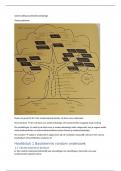
What is matter?
Matter is a substance made up of various types of particles that occupies physical space
and has inertia. According to the principles of modern physics, the various types of
particles each have a specific mass and size.
The most familiar examples of material particles are the electron, the proton and
the neutron. Combinations of these particles form atoms.
Matter explained: Atoms, molecules, elements and compounds
Fundamentally, matter is composed of elementary particles called quarks and leptons,
both of which are considered elementary particles in that they aren't made up of smaller
units of matter. Quarks -- groups of subatomic particles that interact by means of
a strong force -- combine into protons and neutrons. Leptons -- groups of subatomic
particles that respond to weaker forces -- belong to a class of elementary particles that
includes electrons.
Atoms are the building blocks of matter. A combination of atoms forms a molecule. Large
groups of atoms and molecules form the bulk matter of day-to-day life in the physical
world. There are more than 100 different kinds of atoms listed in the periodic table, with
each kind constituting a unique chemical element.
Atoms and/or molecules in two or more elements can join together to form a compound.
This compound, which is the basis of matter, may not resemble any of the original
ingredients.
For example, sodium and chlorine, two highly poisonous elements that are unstable at
room temperatures, combine to form one of the most common and harmless compounds
known to man called common salt (sodium chloride, or NaCl). Unlike its constituent
elements, salt is highly stable, harmless to humans and even edible.
Similarly, hydrogen and oxygen, which are both gaseous elements can combine to
form water, which is a liquid compound, not a gas, at room temperature.The process by
which such combinations and transformations of elements into compounds take place
is called a chemical reaction.
Matter is a substance made up of various types of particles that occupies physical space
and has inertia. According to the principles of modern physics, the various types of
particles each have a specific mass and size.
The most familiar examples of material particles are the electron, the proton and
the neutron. Combinations of these particles form atoms.
Matter explained: Atoms, molecules, elements and compounds
Fundamentally, matter is composed of elementary particles called quarks and leptons,
both of which are considered elementary particles in that they aren't made up of smaller
units of matter. Quarks -- groups of subatomic particles that interact by means of
a strong force -- combine into protons and neutrons. Leptons -- groups of subatomic
particles that respond to weaker forces -- belong to a class of elementary particles that
includes electrons.
Atoms are the building blocks of matter. A combination of atoms forms a molecule. Large
groups of atoms and molecules form the bulk matter of day-to-day life in the physical
world. There are more than 100 different kinds of atoms listed in the periodic table, with
each kind constituting a unique chemical element.
Atoms and/or molecules in two or more elements can join together to form a compound.
This compound, which is the basis of matter, may not resemble any of the original
ingredients.
For example, sodium and chlorine, two highly poisonous elements that are unstable at
room temperatures, combine to form one of the most common and harmless compounds
known to man called common salt (sodium chloride, or NaCl). Unlike its constituent
elements, salt is highly stable, harmless to humans and even edible.
Similarly, hydrogen and oxygen, which are both gaseous elements can combine to
form water, which is a liquid compound, not a gas, at room temperature.The process by
which such combinations and transformations of elements into compounds take place
is called a chemical reaction.