fre
ONTWIKKELINGS-PSYCHOLOGIE
Abstract
Samenvatting ontwikkelingspsychologie gedoceerd door prof Willem Van Den Broeck aan de VUB in academiejaar 2021-2022
QUIZLET https://quizlet.com/_abrejf?x=1jqt&i=19dskk
Justine Michiels
,Ontwikkelingspsychologie
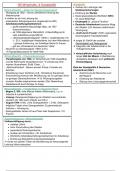
Praktisch
- Ook taak (door ouder vragenlijst laten invullen over kind) 25%
o Ass. Dr. Eva Staels
- Examen 75%
o 30 meerkeuze-examen (kennisvragen, stellingen & inzicht vragen)
Hoog cesuur op examen (19/30 om erdoor te zijn)
o Slagen op examen & op totaal om erdoor te zijn
o Proefexamen
- Handboek is niet verplicht
o Leerstof bestaat uit de lessen (alles wat er verteld wordt)
o Geen lesopname (wel oude lesopnames)
Contents
Praktisch................................................................................................................................................1
1. Geschiedenis, begrippen en stromingen............................................................................................3
1.1. Inleiding......................................................................................................................................3
1.2. Historische visies op het kind......................................................................................................6
1.3. Kernprincipes van darwin’s evolutietheorie.............................................................................14
1.4. Freuds psychoseksuele fasen....................................................................................................14
1.5. Eriksons psychosociale fasen....................................................................................................15
1.6. Behaviorisme en sociale leertheorie.........................................................................................16
1.7. Cognitieve ontwikkelingstheorie van Jean Piaget.....................................................................16
1.8. Informatieverwerkingstheorieën..............................................................................................17
1.9. Ethologie & evolutionaire psychologie.....................................................................................17
1.10. Vygotsky’s socioculturele theorie...........................................................................................18
1.11. Bio-ecologisch model (Bronfenbrenner).................................................................................18
1.12. Dynamische systeemtheorie...................................................................................................18
2. Prenatale ontwikkeling, en gedragsgenetica...................................................................................19
2.1. Continuïteit van pre- en postnatale ontwikkeling.....................................................................19
2.2. Interesse voor prenatale periode..............................................................................................19
2.3. Belang van prenatale periode voor hersenontwikkeling...........................................................19
2.4. Gedragsgenetica.......................................................................................................................24
2.5. Het epigenetisch kader.............................................................................................................25
3. Gedragstoestanden en leerprocessen, motorische en perceptuele vaardigheden..........................26
3.1. Reflexen bij pasgeborene..........................................................................................................26
3.2. Arousal toestanden...................................................................................................................26
1
, 3.3. Leerprocessen...........................................................................................................................27
3.4. Habituatie.................................................................................................................................31
3.5. Imitatie......................................................................................................................................32
3.6. Ontwikkeling van perceptie......................................................................................................34
4. Cognitieve ontwikkeling: Piaget & Vygotsky....................................................................................40
4.1. Jean Piaget................................................................................................................................40
4.1.1. Ontwikkelingspsychologie en genetische epistemologie...................................................40
4.1.2. Cognitieve structuren.........................................................................................................41
4.1.3. Ontwikkeling door stadia heen..........................................................................................42
4.1.4. De klinische & ideografische methode...............................................................................42
4.1.5. Assimilatie en accommodatie............................................................................................44
4.1.6. Ontwikkelingsdeterminanten............................................................................................46
4.1.7. Motivatie van gedrag.........................................................................................................46
4.1.8. De sensomotorische periode (0 tot 2 jaar).........................................................................46
4.1.9. Preoperationele fase (2 tot 7 jaar).....................................................................................50
4.1.10. Concrete operationele subfase (7 tot 12 jaar).................................................................55
4.1.11. Formeel operationele subfase (12 tot 15 jaar & ouder)...................................................56
4.1.12. Evaluatie van Piaget’s theorie..........................................................................................58
4.1.13. Didactische principes afgeleid van Piaget’s theorie.........................................................59
4.2. Vygotsky....................................................................................................................................59
4.2.1. Inleiding: Vygotsky’s cultuurhistorische theorie................................................................59
4.2.2. Didactische principes afgeleid van Vygotsky’s theorie.......................................................60
4.2.3. Gal’perin en het principe van interiorisatie........................................................................60
4.2.4. Kritieken op Vygotsky & Gal’perin.....................................................................................61
5. Morele ontwikkeling........................................................................................................................61
5.1. Inleiding....................................................................................................................................61
5.2. Inductieve disciplinering...........................................................................................................62
5.2.1. Kind factoren bij inductieve disciplinering.........................................................................62
5.3. Kenmerken van goede modellen van moreel gedrag................................................................63
5.4. Straffen bij jonge kinderen........................................................................................................63
5.5. Positieve disciplinering.............................................................................................................65
5.6. Piaget’s theorie van morele ontwikkeling.................................................................................65
5.7. Lawrence Kohlberg (1927 – 1987)............................................................................................66
5.7.1. Kohlberg’s fasen van morele ontwikkeling........................................................................67
5.7.2. Sekse verschillen in moreel redeneren..............................................................................68
5.7.3. Invloeden op morele oordelen...........................................................................................70
2
, 5.7.4. Huidige maatschappelijke context.....................................................................................70
6. Attachment......................................................................................................................................70
6.1. Hechtingstheorieën...................................................................................................................70
6.1.1. Psychoanalytisch perspectief (Mahler)..............................................................................71
6.1.2. Ethological perspective......................................................................................................72
6.2. Hechting en verlies....................................................................................................................72
6.2.1. Belangrijke postulaten.......................................................................................................72
6.2.2. Ontwikkelingsfasen............................................................................................................72
6.2.3. Scheidingsangst en angst voor vreemden..........................................................................73
6.2.4. Stabiliteit van hechting......................................................................................................76
6.2.5. Meerdere hechtingen........................................................................................................80
6.3. Hechting en latere ontwikkeling...............................................................................................80
6.3.1. Intergenerationele transmissie van hechting.....................................................................81
6.3.2. Antecedenten van hechting...............................................................................................82
6.3.3. The transmission gap.........................................................................................................82
6.4. Hechting: wat is “the nature of love”?......................................................................................83
6.4.1. Inleiding.............................................................................................................................83
6.4.2. The mere exposure effect..................................................................................................88
6.4.3. Preferences need no inferences........................................................................................90
6.4.4. Tactiel contact....................................................................................................................90
6.4.5. Visuele geborgenheid........................................................................................................93
6.4.6. De kernvraag van de “nature of love”................................................................................94
1. Geschiedenis, begrippen en stromingen
1.1. Inleiding
- Terminologie
o Developmental psychology
Meest voorkomende term
o Child development
Gaat enkel over kindertijd (ontwikkelingspsychologie gaat over meer dan
enkel kindertijd)
o Lifespan development
Gaat over volledige levensloop
o Human development
Komt internationaal ook veel voor
Interdisciplinair (verschillende disciplines (niet enkel psychologen) houden
zich bezig met de levensloop (ook pediaters, neurowetenschappers,
sociologen, etc.))
3
ONTWIKKELINGS-PSYCHOLOGIE
Abstract
Samenvatting ontwikkelingspsychologie gedoceerd door prof Willem Van Den Broeck aan de VUB in academiejaar 2021-2022
QUIZLET https://quizlet.com/_abrejf?x=1jqt&i=19dskk
Justine Michiels
,Ontwikkelingspsychologie
Praktisch
- Ook taak (door ouder vragenlijst laten invullen over kind) 25%
o Ass. Dr. Eva Staels
- Examen 75%
o 30 meerkeuze-examen (kennisvragen, stellingen & inzicht vragen)
Hoog cesuur op examen (19/30 om erdoor te zijn)
o Slagen op examen & op totaal om erdoor te zijn
o Proefexamen
- Handboek is niet verplicht
o Leerstof bestaat uit de lessen (alles wat er verteld wordt)
o Geen lesopname (wel oude lesopnames)
Contents
Praktisch................................................................................................................................................1
1. Geschiedenis, begrippen en stromingen............................................................................................3
1.1. Inleiding......................................................................................................................................3
1.2. Historische visies op het kind......................................................................................................6
1.3. Kernprincipes van darwin’s evolutietheorie.............................................................................14
1.4. Freuds psychoseksuele fasen....................................................................................................14
1.5. Eriksons psychosociale fasen....................................................................................................15
1.6. Behaviorisme en sociale leertheorie.........................................................................................16
1.7. Cognitieve ontwikkelingstheorie van Jean Piaget.....................................................................16
1.8. Informatieverwerkingstheorieën..............................................................................................17
1.9. Ethologie & evolutionaire psychologie.....................................................................................17
1.10. Vygotsky’s socioculturele theorie...........................................................................................18
1.11. Bio-ecologisch model (Bronfenbrenner).................................................................................18
1.12. Dynamische systeemtheorie...................................................................................................18
2. Prenatale ontwikkeling, en gedragsgenetica...................................................................................19
2.1. Continuïteit van pre- en postnatale ontwikkeling.....................................................................19
2.2. Interesse voor prenatale periode..............................................................................................19
2.3. Belang van prenatale periode voor hersenontwikkeling...........................................................19
2.4. Gedragsgenetica.......................................................................................................................24
2.5. Het epigenetisch kader.............................................................................................................25
3. Gedragstoestanden en leerprocessen, motorische en perceptuele vaardigheden..........................26
3.1. Reflexen bij pasgeborene..........................................................................................................26
3.2. Arousal toestanden...................................................................................................................26
1
, 3.3. Leerprocessen...........................................................................................................................27
3.4. Habituatie.................................................................................................................................31
3.5. Imitatie......................................................................................................................................32
3.6. Ontwikkeling van perceptie......................................................................................................34
4. Cognitieve ontwikkeling: Piaget & Vygotsky....................................................................................40
4.1. Jean Piaget................................................................................................................................40
4.1.1. Ontwikkelingspsychologie en genetische epistemologie...................................................40
4.1.2. Cognitieve structuren.........................................................................................................41
4.1.3. Ontwikkeling door stadia heen..........................................................................................42
4.1.4. De klinische & ideografische methode...............................................................................42
4.1.5. Assimilatie en accommodatie............................................................................................44
4.1.6. Ontwikkelingsdeterminanten............................................................................................46
4.1.7. Motivatie van gedrag.........................................................................................................46
4.1.8. De sensomotorische periode (0 tot 2 jaar).........................................................................46
4.1.9. Preoperationele fase (2 tot 7 jaar).....................................................................................50
4.1.10. Concrete operationele subfase (7 tot 12 jaar).................................................................55
4.1.11. Formeel operationele subfase (12 tot 15 jaar & ouder)...................................................56
4.1.12. Evaluatie van Piaget’s theorie..........................................................................................58
4.1.13. Didactische principes afgeleid van Piaget’s theorie.........................................................59
4.2. Vygotsky....................................................................................................................................59
4.2.1. Inleiding: Vygotsky’s cultuurhistorische theorie................................................................59
4.2.2. Didactische principes afgeleid van Vygotsky’s theorie.......................................................60
4.2.3. Gal’perin en het principe van interiorisatie........................................................................60
4.2.4. Kritieken op Vygotsky & Gal’perin.....................................................................................61
5. Morele ontwikkeling........................................................................................................................61
5.1. Inleiding....................................................................................................................................61
5.2. Inductieve disciplinering...........................................................................................................62
5.2.1. Kind factoren bij inductieve disciplinering.........................................................................62
5.3. Kenmerken van goede modellen van moreel gedrag................................................................63
5.4. Straffen bij jonge kinderen........................................................................................................63
5.5. Positieve disciplinering.............................................................................................................65
5.6. Piaget’s theorie van morele ontwikkeling.................................................................................65
5.7. Lawrence Kohlberg (1927 – 1987)............................................................................................66
5.7.1. Kohlberg’s fasen van morele ontwikkeling........................................................................67
5.7.2. Sekse verschillen in moreel redeneren..............................................................................68
5.7.3. Invloeden op morele oordelen...........................................................................................70
2
, 5.7.4. Huidige maatschappelijke context.....................................................................................70
6. Attachment......................................................................................................................................70
6.1. Hechtingstheorieën...................................................................................................................70
6.1.1. Psychoanalytisch perspectief (Mahler)..............................................................................71
6.1.2. Ethological perspective......................................................................................................72
6.2. Hechting en verlies....................................................................................................................72
6.2.1. Belangrijke postulaten.......................................................................................................72
6.2.2. Ontwikkelingsfasen............................................................................................................72
6.2.3. Scheidingsangst en angst voor vreemden..........................................................................73
6.2.4. Stabiliteit van hechting......................................................................................................76
6.2.5. Meerdere hechtingen........................................................................................................80
6.3. Hechting en latere ontwikkeling...............................................................................................80
6.3.1. Intergenerationele transmissie van hechting.....................................................................81
6.3.2. Antecedenten van hechting...............................................................................................82
6.3.3. The transmission gap.........................................................................................................82
6.4. Hechting: wat is “the nature of love”?......................................................................................83
6.4.1. Inleiding.............................................................................................................................83
6.4.2. The mere exposure effect..................................................................................................88
6.4.3. Preferences need no inferences........................................................................................90
6.4.4. Tactiel contact....................................................................................................................90
6.4.5. Visuele geborgenheid........................................................................................................93
6.4.6. De kernvraag van de “nature of love”................................................................................94
1. Geschiedenis, begrippen en stromingen
1.1. Inleiding
- Terminologie
o Developmental psychology
Meest voorkomende term
o Child development
Gaat enkel over kindertijd (ontwikkelingspsychologie gaat over meer dan
enkel kindertijd)
o Lifespan development
Gaat over volledige levensloop
o Human development
Komt internationaal ook veel voor
Interdisciplinair (verschillende disciplines (niet enkel psychologen) houden
zich bezig met de levensloop (ook pediaters, neurowetenschappers,
sociologen, etc.))
3