Globalisation 1
College 1
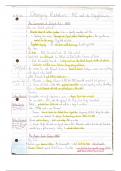
Global forces and local responses
They are 2 sides of the same coin, but tensions arise because they often contradict themselves.
4 global forces:
1. International development
2. International finance
3. International migration
4. International intervention
Freedom from want is having a roof above your head, and freedom from fear is being free from
violence.
Which issue area: International Development
What country: Belgium, Brussels
Institution: Corporate Watch
Time – space compression: Time and space are compressed through the fact that events in one place
trigger events in other places, like time the distance has become irrelevant. This occurs due to
innovation in communication technologies.
Definition globalization (Steger): Globalization refers to the expansion and intensification of social
relations and consciousness across world-time and world-space.
Is Globalization good or bad?
Globalization is neither good or bad, but has the potential to do enormous good (Joseph Stiglitz)
Is Globalization Westernization / Americanization?
No despite it’s strong roots in in the expansion of European Capitalism (17th – 19th century) and the
emergence of American Hegemony (20th century)
➔ China is actually now defending globalization since the US stepped out of globalization
projects.
Is Globalization homogenization / universalization?
No, strong tendencies towards cultural homogenization but also strong counter-tendencies.
Glocalization → marketing buzz word in Japan, marketing strategies of companies that have global
products and that try to spread a certain global consumer culture. But also adapt to local cuisines →
McDonalds perfect example (McKroket)
,College 2
Dimensions and drivers of globalization
Economic:
- Dynamic of (global) capitalism
- Increasing cross-border global flow of goods, services and capital (money) facilitated by new
technologies.
- Economic interdependence
Social
- Transnational relations & civil society; elites; movements →
- Winners & losers: empowering some groups, increasing vulnerability of others > growing global
inequality
- Changing identities and social practices
Political (politics as cause and consequence of globalization) → power
- Role of policy: states making globalization
- Global governance
- Weakening the state? → only applies to small states, not the US / China. These can chape
globalization.
- Globalization as political discourse: TINA (Thatcher)
- Changing power balance between states & social groups → Other becomes more powerful and
some become less powerful. → Winners & Losers
- New (transnational) political actors
- Political responses to globalization (e.g. populism)
Cultural globalization
- Ideas
- Identities
A very short history of globalization
1. The pre-modern period (3500 BC – 1500)
- Invention of the wheel and of written language (transport and communication)
- Early state formation; empires
- Silk Road → connected China for trade of goods like silk through the middle-east, through
Turkey and to Europe
2. The early modern period (1500 – 1750)
- European expansionism: a capitalist world economy? (Wallerstein)
- The creation of Atlantic economy and long distance trade with Asia
, 3. The modern period (1750 – 1980s)
- The age of European dominance
- Industrialisation, colonialism global spread of capitalism (Marx & Engels)
- 19th century liberalism: interdependence, haute finance
- Collapse of world economy and resurgence under US hegemony: post-war liberal order
4. The contemporary period (1980s – current)
- 1991: end of cold war → collapse soviet, this fragmented force becomes part of the
globalization and empowers it.
- 2001: China enter WTO
- The unleashing of full blown globalization
- Acceleration and deepening of (economic) globalization driven by neoliberalism and led by
the US
- Trump and globalization: globalization in retreat?
- Impact of covid-19 on globalization: break-out rooms
College 3
Economic globalization
- 1945 – 1973: limited globalization: finance restrained in ‘Bretton Woods’ regime,
autonomy for national welfare state
- Post 1973: Globalization unleashed → 1973 was a big economic crisis (1st Oil crisis & the
2nd Oil crisis was in 1979)
- Key role of states in ‘freeing’ market forces
, Key role of US as enabler of neoliberal globalization process
- Ending capital controls: financial globalisation
- Promoting domestic & global ‘financial deregulation’
- Promoting free trade in all sectors (WTO)
- Bilateral and multilateral treaties liberalizing investment
- US financial, political and military power opening markets & spreading liberal institutions
& ideology
Globalization of production and finance
- The rising dominance of Transnational corporations
+ Globally integrated production networks: global sourcing: global production & global
marketing: trans nationalisation of the value chain itself.
- The growth of globally integrated financial markets
+ Financial deregulation (new economic orthodoxy)
+ Communications revolution: enabling the deterritorialization of finance
The globalization of finance is bigger than the globalization of production and economists would
argue that that is a problem.
Political globalization and global governance
- Political globalization: beyond the Westphalian nation-state system?
- Governance at the global level?
- Global governance as medium and outcome of globalization
- Actors: National governments: International Governmental Organizations (UN, World
Bank, WTO); International Non-Governmental Organisations (Oxfam, Geenpeace);
Transnational Corporations; other private actors
- Issues / problems: global financial system global production and trade; human rights
College 1
Global forces and local responses
They are 2 sides of the same coin, but tensions arise because they often contradict themselves.
4 global forces:
1. International development
2. International finance
3. International migration
4. International intervention
Freedom from want is having a roof above your head, and freedom from fear is being free from
violence.
Which issue area: International Development
What country: Belgium, Brussels
Institution: Corporate Watch
Time – space compression: Time and space are compressed through the fact that events in one place
trigger events in other places, like time the distance has become irrelevant. This occurs due to
innovation in communication technologies.
Definition globalization (Steger): Globalization refers to the expansion and intensification of social
relations and consciousness across world-time and world-space.
Is Globalization good or bad?
Globalization is neither good or bad, but has the potential to do enormous good (Joseph Stiglitz)
Is Globalization Westernization / Americanization?
No despite it’s strong roots in in the expansion of European Capitalism (17th – 19th century) and the
emergence of American Hegemony (20th century)
➔ China is actually now defending globalization since the US stepped out of globalization
projects.
Is Globalization homogenization / universalization?
No, strong tendencies towards cultural homogenization but also strong counter-tendencies.
Glocalization → marketing buzz word in Japan, marketing strategies of companies that have global
products and that try to spread a certain global consumer culture. But also adapt to local cuisines →
McDonalds perfect example (McKroket)
,College 2
Dimensions and drivers of globalization
Economic:
- Dynamic of (global) capitalism
- Increasing cross-border global flow of goods, services and capital (money) facilitated by new
technologies.
- Economic interdependence
Social
- Transnational relations & civil society; elites; movements →
- Winners & losers: empowering some groups, increasing vulnerability of others > growing global
inequality
- Changing identities and social practices
Political (politics as cause and consequence of globalization) → power
- Role of policy: states making globalization
- Global governance
- Weakening the state? → only applies to small states, not the US / China. These can chape
globalization.
- Globalization as political discourse: TINA (Thatcher)
- Changing power balance between states & social groups → Other becomes more powerful and
some become less powerful. → Winners & Losers
- New (transnational) political actors
- Political responses to globalization (e.g. populism)
Cultural globalization
- Ideas
- Identities
A very short history of globalization
1. The pre-modern period (3500 BC – 1500)
- Invention of the wheel and of written language (transport and communication)
- Early state formation; empires
- Silk Road → connected China for trade of goods like silk through the middle-east, through
Turkey and to Europe
2. The early modern period (1500 – 1750)
- European expansionism: a capitalist world economy? (Wallerstein)
- The creation of Atlantic economy and long distance trade with Asia
, 3. The modern period (1750 – 1980s)
- The age of European dominance
- Industrialisation, colonialism global spread of capitalism (Marx & Engels)
- 19th century liberalism: interdependence, haute finance
- Collapse of world economy and resurgence under US hegemony: post-war liberal order
4. The contemporary period (1980s – current)
- 1991: end of cold war → collapse soviet, this fragmented force becomes part of the
globalization and empowers it.
- 2001: China enter WTO
- The unleashing of full blown globalization
- Acceleration and deepening of (economic) globalization driven by neoliberalism and led by
the US
- Trump and globalization: globalization in retreat?
- Impact of covid-19 on globalization: break-out rooms
College 3
Economic globalization
- 1945 – 1973: limited globalization: finance restrained in ‘Bretton Woods’ regime,
autonomy for national welfare state
- Post 1973: Globalization unleashed → 1973 was a big economic crisis (1st Oil crisis & the
2nd Oil crisis was in 1979)
- Key role of states in ‘freeing’ market forces
, Key role of US as enabler of neoliberal globalization process
- Ending capital controls: financial globalisation
- Promoting domestic & global ‘financial deregulation’
- Promoting free trade in all sectors (WTO)
- Bilateral and multilateral treaties liberalizing investment
- US financial, political and military power opening markets & spreading liberal institutions
& ideology
Globalization of production and finance
- The rising dominance of Transnational corporations
+ Globally integrated production networks: global sourcing: global production & global
marketing: trans nationalisation of the value chain itself.
- The growth of globally integrated financial markets
+ Financial deregulation (new economic orthodoxy)
+ Communications revolution: enabling the deterritorialization of finance
The globalization of finance is bigger than the globalization of production and economists would
argue that that is a problem.
Political globalization and global governance
- Political globalization: beyond the Westphalian nation-state system?
- Governance at the global level?
- Global governance as medium and outcome of globalization
- Actors: National governments: International Governmental Organizations (UN, World
Bank, WTO); International Non-Governmental Organisations (Oxfam, Geenpeace);
Transnational Corporations; other private actors
- Issues / problems: global financial system global production and trade; human rights