Contents
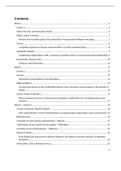
Week 1.........................................................................................................................................................4
Lecture 1...................................................................................................................................................4
Video: the basic communication model...................................................................................................6
Dillard, Segrin & Harden...........................................................................................................................7
Primary and secondary goals in the production of interpersonal influence messages.........................7
Greene......................................................................................................................................................8
A cognitive approach to human communication: an action assembly theory......................................8
Goldsmith & Baxter..................................................................................................................................9
Constituting relationships in talk: a taxonomy of speech events in social and personal relationships. 9
Braumeister, Zhang & Vohs....................................................................................................................10
Gossip as cultural learning..................................................................................................................10
Week 2.......................................................................................................................................................13
Lecture 2.................................................................................................................................................13
Poyatos...................................................................................................................................................14
Nonverbal communication across disciplines.....................................................................................14
Elbert & Dijkstra.....................................................................................................................................16
An experimental test of the relationship between voice intonation and persuasion in the domain of
health.................................................................................................................................................16
Fuertes, Potere & Remirez......................................................................................................................17
Effects of speech accents on interpersonal evaluations: implications for counseling practice and
research..............................................................................................................................................17
Week 3 – lecture 3......................................................................................................................................19
Gordon, Druckman, Rozelle & Baxter.....................................................................................................19
Non-verbal behavior (+ Non-verbal behavior as communication: approaches, issues and research) 19
Behavioral acts.......................................................................................................................................20
4 channels of (non)-verbal communication – Dittman...........................................................................21
3 dimensions of non-verbal communication – Mehrabian.....................................................................21
Functions of non-verbal behavior – Patterson........................................................................................21
Ekman & Sullivan....................................................................................................................................22
From flawed self-assessment to blatant whoppers: the utility of voluntary behavior in detecting
deception............................................................................................................................................22
Marricchiolo, Gnisci, Bonaluto & Ficca...................................................................................................23
1
, Effects of different type of hand gestures in persuasive speech on receiver’s evaluations................23
Week 4: lecture 4.......................................................................................................................................24
Dragojevir, Gasiorek & Giles...................................................................................................................24
Communication accommodation theory............................................................................................24
Andersen................................................................................................................................................25
Arousal theories of interaction adaptation.........................................................................................25
Discrepancy arousal theory................................................................................................................26
Cognitive valence theory / arousal valence theory.............................................................................26
Affection exchange theory..................................................................................................................26
Persuasion..............................................................................................................................................26
Week 5.......................................................................................................................................................31
Gudykunst..............................................................................................................................................31
Lecture 5 + Bridging differences: effective intergroup communication..............................................31
Guest lecture – computer mediated communication.............................................................................34
Brantley-Hill & Brinthaupt......................................................................................................................36
Perceptions of affectionate communication among people with unfavorable attitudes toward
homosexuality....................................................................................................................................36
Matsumoto.............................................................................................................................................36
Cultural similarities and differences in display rules...........................................................................36
Week 6.......................................................................................................................................................37
Lecture....................................................................................................................................................37
Derks, Fischer & Bos...............................................................................................................................37
The role of emotion in computer-mediated communication: a review..............................................37
Koudenberg............................................................................................................................................39
Regulating shared reality with micro-dynamics in the form of conversation.....................................39
Toma, Hancock & Ellison........................................................................................................................39
Separating fact from fiction: an examination of deceptive self-presentation in online dating profiles.
............................................................................................................................................................39
Paxling, Lundgren, Norman, Almlov, Caribting, Cuijpers & Andersson...................................................40
Therapist behaviors in Internet-delivered cognitive behavior therapy: analyses of e-mail
correspondence in the treatment of generalized anxiety disorder....................................................40
Week 7.......................................................................................................................................................41
Lecture 7.................................................................................................................................................41
Guest lecture..........................................................................................................................................42
2
, Chidambaram, Chiang & Mutlu..............................................................................................................44
Designing persuasive robots: how robots might persuade people using vocal and nonverbal cues.. 44
Kreps & Neuhauser.................................................................................................................................44
Artificial intelligence and immediacy: designing health communication to personally engage
consumers and providers...................................................................................................................44
Nass & Moon..........................................................................................................................................45
Machines and mindlessness: social responses to computers.............................................................45
Week 1
Lecture 1
15-09-2021
3
, Context is essential to understand any situation.
You can’t say, someone who touches his ear, is lying. But if a person does it every time he/she lies, it
could possibly be.
It’s about ‘similar contexts’.
Mental representation > picturing something in your head. Something you don’t see, but you can
communicate to someone else by talking and using symbols, to cause that the other person has the
same picture in his/her head.
If you tell something to someone, either in language or another code, it will be in their head too.
By talking, using your mouth and muscles, you can communicate things to people.
Thank you > saying thank you means:
a positive feeling caused by person B
I acknowledge that this thing which feels positive for me was caused by you
I reinforce our relationship by sharing my feeling
There are like hundreds of different words for thank you in different languages, but the meaning is
always the same. So you can communicate the same thing in hundreds of different ways, but it is about
giving someone else the same mental representation.
You can only understand communication if you have the same rules, otherwise it does not cause the
same mental representation. So, you can say thank you to me in Chinese, but I wouldn’t understand.
Social reality > you know things due to talking, hearing things.
I have never been to Japan, but I believe due to communication and hearing of it that Japan
exists.
Corona > social reality: it exists, health is the most important.
Some people believe easy, others don’t.
While others may think that economy is the most important thing or freedom.
7 questions for the lectures:
What do we talk about?
How do we speak?
What do we show?
How can we understand the complexity?
How do cultures differ?
How do we communicate through new media?
How can we communicate with computers?
Types of goals
Influence/ organize
Identity
4
Week 1.........................................................................................................................................................4
Lecture 1...................................................................................................................................................4
Video: the basic communication model...................................................................................................6
Dillard, Segrin & Harden...........................................................................................................................7
Primary and secondary goals in the production of interpersonal influence messages.........................7
Greene......................................................................................................................................................8
A cognitive approach to human communication: an action assembly theory......................................8
Goldsmith & Baxter..................................................................................................................................9
Constituting relationships in talk: a taxonomy of speech events in social and personal relationships. 9
Braumeister, Zhang & Vohs....................................................................................................................10
Gossip as cultural learning..................................................................................................................10
Week 2.......................................................................................................................................................13
Lecture 2.................................................................................................................................................13
Poyatos...................................................................................................................................................14
Nonverbal communication across disciplines.....................................................................................14
Elbert & Dijkstra.....................................................................................................................................16
An experimental test of the relationship between voice intonation and persuasion in the domain of
health.................................................................................................................................................16
Fuertes, Potere & Remirez......................................................................................................................17
Effects of speech accents on interpersonal evaluations: implications for counseling practice and
research..............................................................................................................................................17
Week 3 – lecture 3......................................................................................................................................19
Gordon, Druckman, Rozelle & Baxter.....................................................................................................19
Non-verbal behavior (+ Non-verbal behavior as communication: approaches, issues and research) 19
Behavioral acts.......................................................................................................................................20
4 channels of (non)-verbal communication – Dittman...........................................................................21
3 dimensions of non-verbal communication – Mehrabian.....................................................................21
Functions of non-verbal behavior – Patterson........................................................................................21
Ekman & Sullivan....................................................................................................................................22
From flawed self-assessment to blatant whoppers: the utility of voluntary behavior in detecting
deception............................................................................................................................................22
Marricchiolo, Gnisci, Bonaluto & Ficca...................................................................................................23
1
, Effects of different type of hand gestures in persuasive speech on receiver’s evaluations................23
Week 4: lecture 4.......................................................................................................................................24
Dragojevir, Gasiorek & Giles...................................................................................................................24
Communication accommodation theory............................................................................................24
Andersen................................................................................................................................................25
Arousal theories of interaction adaptation.........................................................................................25
Discrepancy arousal theory................................................................................................................26
Cognitive valence theory / arousal valence theory.............................................................................26
Affection exchange theory..................................................................................................................26
Persuasion..............................................................................................................................................26
Week 5.......................................................................................................................................................31
Gudykunst..............................................................................................................................................31
Lecture 5 + Bridging differences: effective intergroup communication..............................................31
Guest lecture – computer mediated communication.............................................................................34
Brantley-Hill & Brinthaupt......................................................................................................................36
Perceptions of affectionate communication among people with unfavorable attitudes toward
homosexuality....................................................................................................................................36
Matsumoto.............................................................................................................................................36
Cultural similarities and differences in display rules...........................................................................36
Week 6.......................................................................................................................................................37
Lecture....................................................................................................................................................37
Derks, Fischer & Bos...............................................................................................................................37
The role of emotion in computer-mediated communication: a review..............................................37
Koudenberg............................................................................................................................................39
Regulating shared reality with micro-dynamics in the form of conversation.....................................39
Toma, Hancock & Ellison........................................................................................................................39
Separating fact from fiction: an examination of deceptive self-presentation in online dating profiles.
............................................................................................................................................................39
Paxling, Lundgren, Norman, Almlov, Caribting, Cuijpers & Andersson...................................................40
Therapist behaviors in Internet-delivered cognitive behavior therapy: analyses of e-mail
correspondence in the treatment of generalized anxiety disorder....................................................40
Week 7.......................................................................................................................................................41
Lecture 7.................................................................................................................................................41
Guest lecture..........................................................................................................................................42
2
, Chidambaram, Chiang & Mutlu..............................................................................................................44
Designing persuasive robots: how robots might persuade people using vocal and nonverbal cues.. 44
Kreps & Neuhauser.................................................................................................................................44
Artificial intelligence and immediacy: designing health communication to personally engage
consumers and providers...................................................................................................................44
Nass & Moon..........................................................................................................................................45
Machines and mindlessness: social responses to computers.............................................................45
Week 1
Lecture 1
15-09-2021
3
, Context is essential to understand any situation.
You can’t say, someone who touches his ear, is lying. But if a person does it every time he/she lies, it
could possibly be.
It’s about ‘similar contexts’.
Mental representation > picturing something in your head. Something you don’t see, but you can
communicate to someone else by talking and using symbols, to cause that the other person has the
same picture in his/her head.
If you tell something to someone, either in language or another code, it will be in their head too.
By talking, using your mouth and muscles, you can communicate things to people.
Thank you > saying thank you means:
a positive feeling caused by person B
I acknowledge that this thing which feels positive for me was caused by you
I reinforce our relationship by sharing my feeling
There are like hundreds of different words for thank you in different languages, but the meaning is
always the same. So you can communicate the same thing in hundreds of different ways, but it is about
giving someone else the same mental representation.
You can only understand communication if you have the same rules, otherwise it does not cause the
same mental representation. So, you can say thank you to me in Chinese, but I wouldn’t understand.
Social reality > you know things due to talking, hearing things.
I have never been to Japan, but I believe due to communication and hearing of it that Japan
exists.
Corona > social reality: it exists, health is the most important.
Some people believe easy, others don’t.
While others may think that economy is the most important thing or freedom.
7 questions for the lectures:
What do we talk about?
How do we speak?
What do we show?
How can we understand the complexity?
How do cultures differ?
How do we communicate through new media?
How can we communicate with computers?
Types of goals
Influence/ organize
Identity
4