Test7 b Bank7 b for7 b Professional7 b Nursing7 b Concepts7 b &7 b Challenges,7 b 10th7 b E
dition,7 b B
TEST BANK Wl
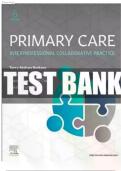
PROFESSIONAL NURSING: CONCEPTS & CHALLENGES, 10TH EDITION
, Test7 b Bank7 b for7 b Professional7 b Nursing7 b Concepts7 b &7 b Challenges,7 b 10th7 b E
dition,7 b B
Table of Contents 7b 7b
Chapter 1. Nursing in Today’s Evolving Health Care Environ7b
Wl Wl Wl Wl Wl Wl Wl Wl
ment
Chapter 2. The History and Social Context of Nurs7bi
Wl Wl Wl Wl Wl Wl Wl Wl
ng
Chapter 3. Nursing’s Pathway to Professionali7bs
Wl Wl Wl Wl Wl
m
Chapter 4. Nursing Education in an Evolving Health Care Environm
Wl Wl Wl Wl Wl Wl Wl Wl Wl
7bent
Chapter 5. Becoming a Professional Nurse: Defining Nursing and Socialization into Prac
Wl Wl Wl Wl Wl Wl Wl Wl Wl Wl Wl
tice7bChapter 6. Nursing as a Regulated Practice: Lega
Wl Wl Wl Wl Wl Wl Wl
l Iss7bues
Wl
Chapter 7. Ethics: Basic Concepts for Professional Nursing Pract7bi
Wl Wl Wl Wl Wl Wl Wl Wl
ce
Chapter 8. Conceptual and Philosophical Foundations of Professional Nursing Pract7
Wl Wl Wl Wl Wl Wl Wl Wl Wl
bice
Chapter 9. Nursing Theory: The Basis for Professional Nurs7bi
Wl Wl Wl Wl Wl Wl Wl Wl
ng
Chapter 10. The Science of Nursing and Evidence-
Wl Wl Wl Wl Wl Wl Wl
7bBased7bPractice
Chapter 11. 7bDeveloping Nursing Judgment Through Critical Think7b
Wl Wl Wl Wl Wl Wl Wl
ing
Chapter 12. Communication and Collaboration in Professional Nurs7bi
Wl Wl Wl Wl Wl Wl Wl
ng
Chapter 13. Nurses, Patients, and Families: Caring at the Intersection of Health,Illness, and Cu7bltu
Wl Wl Wl Wl Wl Wl Wl Wl Wl Wl Wl Wl Wl
re
Chapter 14. Health Care in the United Sta7bt
Wl Wl Wl Wl Wl Wl Wl
es
Chapter 15. 7bPolitical Activism in Nursing: Communities, Organizations, Govern7bm
Wl Wl Wl Wl Wl Wl Wl Wl
ent
Chapter 16. Nursing Challenge: To Continue to Ev7bol
Wl Wl Wl Wl Wl Wl Wl
ve
, Test7 b Bank7 b for7 b Professional7 b Nursing7 b Concepts7 b &7 b Challenges,7 b 10th7 b E
dition,7 b B
Professional Nursing: Concepts & Challenges, 10th E
7b 7b 7b 7b 7b 7b 7b
dition Test Bank
7b 7b
Chapter 1.Nursing in Today’s Evolving Health Care Environment
Wl Wl Wl Wl Wl Wl Wl
MULTIPLE7b CHOICE
1. Which7bof7bthe7bfollowing7 b could7beventually7 b change7 b the7bhistorical7bstatus7 b of7bnursing7b
as7ba7bfe7bmale-7 b dominated7 b profession?
a. More7bmen7 b graduating7 b from7 b baccalaureate7 b and7 b higher7 b degree7 b programs
b. The7 b proportion7 b of7 b men7 b in7 b nursing7 b beginning7 b to7 b increase
c. More7bmale7 b graduates7 b of7 b basic7 b nursing7 b programs7 b entering7 b the7 b workplace
d. Salary7 b compensation7 b increasing7 b to7 b attract7 b more7 b men
ANSWER:7 b C
Feedback
A More7bmen7bgraduating7bfrom7bbaccalaureate7band7bhigher7bdegree7bprograms7bis7bnot7
bthe7 b best7 b answer7 b because7 b associate7 b degree7 b programs7 b produce7 b the7 b most7
b new7 b graduate7bs.
B The7 b percentage7 b of7 b men7 b in7 b nursing7 b has7 b increased7 b 50%7 b since7 b 2000.
C The7bmore7bmen7 b who7 b enter7 b the7bworkplace7 b as7 b nurses,7 b the7 b less7 b nursing7 b wil
l7 b be7bseen7bas7ba7 b female-dominated7 b profession.
D Salary7 b rates7 b do7 b not7 b appear7 b to7 b relate7 b to7 b the7 b recruitment7 b of7 b men7 b into7 b nursing.
DIFFERENCE:7 b COGNITIVE7 b LEVEL:7 b Comprehension REFERENCE:7 b MCS:7 b 2
2. The7bracial7 b and7bethnic7bcomposition7bof7bthe7bnursing7bprofession7bwill7 b change7bto7 b more7
accura7btely7 b reflect7 b the7 b population7 b as7 b a7 b whole7 b when
b
a. The7bincreased7bnumbers7bof7bracial7band7bethnic7bminorities7benrolled7bin7beducational7bp
rogra7bms7 b graduate7 b and7 b begin7 b to7 b practice.
b. The7bnumber7 b of7bAsians7 b or7 b Native7 b Hawaiian-Pacific7 b Islanders7 b begins7 b to7 b increase.
c. The7bpercentage7bof7b African-
American7band7bHispanic7bnurses7bdecreases7bmore7bthan7bthe7 b percentage7 b of7 b whit
e7 b nu7brses.
, Test7 b Bank7 b for7 b Professional7 b Nursing7 b Concepts7 b &7 b Challenges,7 b 10th7 b E
dition,7 b B
d. The7 b nonwhite7 b portion7 b of7 b the7 b general7 b population7 b decreases.
ANSWER:7bA
Feedback
A A7blarger7bpercentage7bof7bminorities7bare7benrolled7bin7bnursing7beducational7bprogra
ms7bt7 b han7 b previously.
B Asians7b and7 b Native7 b Hawaiian-
Pacific7bIslanders7bare7bover7brepresented7bin7bnursing7 b compared7 b to7 b their7 b pe
rcen7btage7 b of7 b the7 b general7 b population.
C7 b Not7 b only7 b would7 b the7 b percentage7 b of7 b African-
American7 b and7 b Hispanic7 b nurses7 b need7 b to7 b increase,7 b the7 b percentage7 b of7 b
white7 b nurs7bes7 b would7 b have7 b to7 b decrease7 b in7 b order7 b to7 b more7 b accurately7
b reflect7 b the7 b population7bas7 b a7 b whole.
D7 b The7 b nonwhite7 b portion7 b of7 b the7 b general7 b population7 b is7 b not7 b likely7 b to7 b decrease.
DIFFERENCE:7 b COGNITIVE7 b LEVEL:7 b Comprehension REFERENCE:7 b MCS:7 b 3
3. Which7b of7 b the7 b following7 b is7 b a7 b correct7 b statement7 b about7 b the7 b registered7 b nurse7 b (RN)7 b populatio
n?
a. The7bracial/ethnic7 b composition7 b of7 b RNs7 b closely7 b resembles7 b that7 b of7 b the7 b general7 b popula
tion.
b. The7 b number7 b of7 b men7 b entering7 b nursing7 b has7 b decreased7 b steadily7 b over7 b the7 b last7 b decade.
c. The7 b rate7 b of7 b aging7 b of7 b RNs7 b has7 b slowed7 b for7 b the7 b first7 b time7 b in7 b the7 b past7 b 307 b years.
d. The7 b majority7 b of7 b employed7 b RNs7 b working7 b full7 b time7 b must7 b work7 b a7 b second7 b position.
ANSWER:7 b C
Feedback
A The7bracial/ethnic7bcomposition7bof7bRNs7bis7bincreasing,7bbut7bdoes7bnot7bapproxim
ate7bt7 b heir7 b percentage7 b of7 b the7 b overall7 b population.
B The7 b number7 b of7 b men7 b entering7 b nursing7 b is7 b increasing.
C The7 b average7 b age7 b of7 b RNs7 b in7 b both7 b 20047 b and7 b 20087 b was7 b 46.7bThis7
b is7 b a7 b result7bof7 b the7 b numbers7 b of7 b RNs7 b under7 b 307 b in7 b the7 b workfor
ce.
D According7bto7b20087bdata,7 b only7b12%7bof7bnurses7bworking7bfull7btime7bhol
d7bsec7 b ond7 b positions.
DIF:7 b COGNITIVE7 b LEVEL:7 b Knowledge7 b REFERENCE:7 b MCS:7 b 3
4. Which7 b of7 b the7 b following7 b best7 b describes7 b trends7 b in7 b nursing7 b education?
a. Numbers7b of7 b RNs7 b with7 b bachelors7 b and7 b higher7 b degrees7 b are7 b increasing.
b. Numbers7 b of7 b RNs7 b with7 b associate7 b degrees7 b are7 b decreasing.
dition,7 b B
TEST BANK Wl
PROFESSIONAL NURSING: CONCEPTS & CHALLENGES, 10TH EDITION
, Test7 b Bank7 b for7 b Professional7 b Nursing7 b Concepts7 b &7 b Challenges,7 b 10th7 b E
dition,7 b B
Table of Contents 7b 7b
Chapter 1. Nursing in Today’s Evolving Health Care Environ7b
Wl Wl Wl Wl Wl Wl Wl Wl
ment
Chapter 2. The History and Social Context of Nurs7bi
Wl Wl Wl Wl Wl Wl Wl Wl
ng
Chapter 3. Nursing’s Pathway to Professionali7bs
Wl Wl Wl Wl Wl
m
Chapter 4. Nursing Education in an Evolving Health Care Environm
Wl Wl Wl Wl Wl Wl Wl Wl Wl
7bent
Chapter 5. Becoming a Professional Nurse: Defining Nursing and Socialization into Prac
Wl Wl Wl Wl Wl Wl Wl Wl Wl Wl Wl
tice7bChapter 6. Nursing as a Regulated Practice: Lega
Wl Wl Wl Wl Wl Wl Wl
l Iss7bues
Wl
Chapter 7. Ethics: Basic Concepts for Professional Nursing Pract7bi
Wl Wl Wl Wl Wl Wl Wl Wl
ce
Chapter 8. Conceptual and Philosophical Foundations of Professional Nursing Pract7
Wl Wl Wl Wl Wl Wl Wl Wl Wl
bice
Chapter 9. Nursing Theory: The Basis for Professional Nurs7bi
Wl Wl Wl Wl Wl Wl Wl Wl
ng
Chapter 10. The Science of Nursing and Evidence-
Wl Wl Wl Wl Wl Wl Wl
7bBased7bPractice
Chapter 11. 7bDeveloping Nursing Judgment Through Critical Think7b
Wl Wl Wl Wl Wl Wl Wl
ing
Chapter 12. Communication and Collaboration in Professional Nurs7bi
Wl Wl Wl Wl Wl Wl Wl
ng
Chapter 13. Nurses, Patients, and Families: Caring at the Intersection of Health,Illness, and Cu7bltu
Wl Wl Wl Wl Wl Wl Wl Wl Wl Wl Wl Wl Wl
re
Chapter 14. Health Care in the United Sta7bt
Wl Wl Wl Wl Wl Wl Wl
es
Chapter 15. 7bPolitical Activism in Nursing: Communities, Organizations, Govern7bm
Wl Wl Wl Wl Wl Wl Wl Wl
ent
Chapter 16. Nursing Challenge: To Continue to Ev7bol
Wl Wl Wl Wl Wl Wl Wl
ve
, Test7 b Bank7 b for7 b Professional7 b Nursing7 b Concepts7 b &7 b Challenges,7 b 10th7 b E
dition,7 b B
Professional Nursing: Concepts & Challenges, 10th E
7b 7b 7b 7b 7b 7b 7b
dition Test Bank
7b 7b
Chapter 1.Nursing in Today’s Evolving Health Care Environment
Wl Wl Wl Wl Wl Wl Wl
MULTIPLE7b CHOICE
1. Which7bof7bthe7bfollowing7 b could7beventually7 b change7 b the7bhistorical7bstatus7 b of7bnursing7b
as7ba7bfe7bmale-7 b dominated7 b profession?
a. More7bmen7 b graduating7 b from7 b baccalaureate7 b and7 b higher7 b degree7 b programs
b. The7 b proportion7 b of7 b men7 b in7 b nursing7 b beginning7 b to7 b increase
c. More7bmale7 b graduates7 b of7 b basic7 b nursing7 b programs7 b entering7 b the7 b workplace
d. Salary7 b compensation7 b increasing7 b to7 b attract7 b more7 b men
ANSWER:7 b C
Feedback
A More7bmen7bgraduating7bfrom7bbaccalaureate7band7bhigher7bdegree7bprograms7bis7bnot7
bthe7 b best7 b answer7 b because7 b associate7 b degree7 b programs7 b produce7 b the7 b most7
b new7 b graduate7bs.
B The7 b percentage7 b of7 b men7 b in7 b nursing7 b has7 b increased7 b 50%7 b since7 b 2000.
C The7bmore7bmen7 b who7 b enter7 b the7bworkplace7 b as7 b nurses,7 b the7 b less7 b nursing7 b wil
l7 b be7bseen7bas7ba7 b female-dominated7 b profession.
D Salary7 b rates7 b do7 b not7 b appear7 b to7 b relate7 b to7 b the7 b recruitment7 b of7 b men7 b into7 b nursing.
DIFFERENCE:7 b COGNITIVE7 b LEVEL:7 b Comprehension REFERENCE:7 b MCS:7 b 2
2. The7bracial7 b and7bethnic7bcomposition7bof7bthe7bnursing7bprofession7bwill7 b change7bto7 b more7
accura7btely7 b reflect7 b the7 b population7 b as7 b a7 b whole7 b when
b
a. The7bincreased7bnumbers7bof7bracial7band7bethnic7bminorities7benrolled7bin7beducational7bp
rogra7bms7 b graduate7 b and7 b begin7 b to7 b practice.
b. The7bnumber7 b of7bAsians7 b or7 b Native7 b Hawaiian-Pacific7 b Islanders7 b begins7 b to7 b increase.
c. The7bpercentage7bof7b African-
American7band7bHispanic7bnurses7bdecreases7bmore7bthan7bthe7 b percentage7 b of7 b whit
e7 b nu7brses.
, Test7 b Bank7 b for7 b Professional7 b Nursing7 b Concepts7 b &7 b Challenges,7 b 10th7 b E
dition,7 b B
d. The7 b nonwhite7 b portion7 b of7 b the7 b general7 b population7 b decreases.
ANSWER:7bA
Feedback
A A7blarger7bpercentage7bof7bminorities7bare7benrolled7bin7bnursing7beducational7bprogra
ms7bt7 b han7 b previously.
B Asians7b and7 b Native7 b Hawaiian-
Pacific7bIslanders7bare7bover7brepresented7bin7bnursing7 b compared7 b to7 b their7 b pe
rcen7btage7 b of7 b the7 b general7 b population.
C7 b Not7 b only7 b would7 b the7 b percentage7 b of7 b African-
American7 b and7 b Hispanic7 b nurses7 b need7 b to7 b increase,7 b the7 b percentage7 b of7 b
white7 b nurs7bes7 b would7 b have7 b to7 b decrease7 b in7 b order7 b to7 b more7 b accurately7
b reflect7 b the7 b population7bas7 b a7 b whole.
D7 b The7 b nonwhite7 b portion7 b of7 b the7 b general7 b population7 b is7 b not7 b likely7 b to7 b decrease.
DIFFERENCE:7 b COGNITIVE7 b LEVEL:7 b Comprehension REFERENCE:7 b MCS:7 b 3
3. Which7b of7 b the7 b following7 b is7 b a7 b correct7 b statement7 b about7 b the7 b registered7 b nurse7 b (RN)7 b populatio
n?
a. The7bracial/ethnic7 b composition7 b of7 b RNs7 b closely7 b resembles7 b that7 b of7 b the7 b general7 b popula
tion.
b. The7 b number7 b of7 b men7 b entering7 b nursing7 b has7 b decreased7 b steadily7 b over7 b the7 b last7 b decade.
c. The7 b rate7 b of7 b aging7 b of7 b RNs7 b has7 b slowed7 b for7 b the7 b first7 b time7 b in7 b the7 b past7 b 307 b years.
d. The7 b majority7 b of7 b employed7 b RNs7 b working7 b full7 b time7 b must7 b work7 b a7 b second7 b position.
ANSWER:7 b C
Feedback
A The7bracial/ethnic7bcomposition7bof7bRNs7bis7bincreasing,7bbut7bdoes7bnot7bapproxim
ate7bt7 b heir7 b percentage7 b of7 b the7 b overall7 b population.
B The7 b number7 b of7 b men7 b entering7 b nursing7 b is7 b increasing.
C The7 b average7 b age7 b of7 b RNs7 b in7 b both7 b 20047 b and7 b 20087 b was7 b 46.7bThis7
b is7 b a7 b result7bof7 b the7 b numbers7 b of7 b RNs7 b under7 b 307 b in7 b the7 b workfor
ce.
D According7bto7b20087bdata,7 b only7b12%7bof7bnurses7bworking7bfull7btime7bhol
d7bsec7 b ond7 b positions.
DIF:7 b COGNITIVE7 b LEVEL:7 b Knowledge7 b REFERENCE:7 b MCS:7 b 3
4. Which7 b of7 b the7 b following7 b best7 b describes7 b trends7 b in7 b nursing7 b education?
a. Numbers7b of7 b RNs7 b with7 b bachelors7 b and7 b higher7 b degrees7 b are7 b increasing.
b. Numbers7 b of7 b RNs7 b with7 b associate7 b degrees7 b are7 b decreasing.