Contents
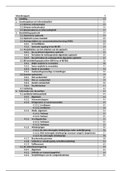
1 Introduction........................................................................................................................................3
1.1 Definition of (Private) Arbitration................................................................................................3
1.2 History and Sources of Arbitration Law.......................................................................................6
1.3 Advantages and Disadvantages of Arbitration.............................................................................7
1.4 Arbitration Associations.............................................................................................................11
1.5 Ad Hoc and Institutional Arbitration..........................................................................................12
1.6 Reform of SA Arbitration Legislation..........................................................................................13
2 The Arbitration Agreement...............................................................................................................15
2.1 Definition...................................................................................................................................15
2.2 Quasi-Arbitrators.......................................................................................................................34
2.3 The Scope of the Arbitration Agreement...................................................................................36
2.4 The Binding Effect of the Arbitration Agreement.......................................................................51
4 Modern Arbitration Practice and Case Management.......................................................................68
4.1 Introduction...............................................................................................................................69
4.2 Commencement of Arbitration Proceedings and the Preliminary Meeting...............................75
4.3 Definition of Issues in Dispute....................................................................................................78
4.4 Control of Disclosure..................................................................................................................79
4.4 Reception of Expert Evidence....................................................................................................81
4.5 The Hearing................................................................................................................................85
4.6 Extending the Arbitrator’s Statutory Powers.............................................................................92
4.7 Arbitration under the Aoa RRA Rules.........................................................................................93
4.8 Sanctions against a Party Delaying the Proceedings..................................................................94
4.9 Interim Measures.......................................................................................................................95
4.10 Miscellaneous Points...............................................................................................................98
5 The Arbitration Hearing....................................................................................................................99
5.1 Commencement of Proceedings and Time-bar Clauses.............................................................99
5.2 The Arbitrator and the Rules of Natural Justice.......................................................................100
5.3 The Powers of the Arbitrator and Court under s20..................................................................100
5.4 Court’s Supervisory Powers During the Arbitration Proceedings and Prior to the Award.......103
5.5 Evidence and Subpoenas.........................................................................................................104
5.7 Possible Statutory Measures to Improve the Efficiency of Arbitration Proceedings................104
5.8 Case Law..................................................................................................................................105
6 The Award.......................................................................................................................................118
6.1 Time for Making the Award.....................................................................................................118
1
, 6.2 Requirements for a Valid Award..............................................................................................123
6.3 Award by More than One Arbitrator........................................................................................124
6.4 Interest on the Award..............................................................................................................124
6.5 Publication of the Award.........................................................................................................125
6.6 Costs.......................................................................................................................................125
6.7 Effect and Enforcement of the Award......................................................................................129
6.8 Remittal and Setting Aside.......................................................................................................133
6.9 Arbitration and the Constitution..............................................................................................144
3 Arbitrators and Umpires.................................................................................................................155
3.1 The Difference Between an Arbitrator and an Umpire............................................................155
3.2 The Capacity to Act as Arbitrator.............................................................................................156
3.3 Arbitrators and Umpires..........................................................................................................157
3.4 Remuneration of Arbitrators and Umpires..............................................................................157
3.5 The Legal Nature of the Relationship between the Arbitrator and the Parties........................158
3.6 The Powers and Duties of the Arbitrator.................................................................................159
3.7 Liability of Arbitrators for Negligence......................................................................................160
3.8 Termination or Setting Aside of Appointment.........................................................................161
2
,1 INTRODUCTION
1.1 Definition of (Private) Arbitration
- See Lawsa para 75; 311 Notes par 2.2, Lufuno Mphaphuli case para 195-198
- Lawsa definition: Arbitration is an adjudicative process which takes place pursuant to an
agreement between the parties to a dispute, whereby that dispute is referred for final
determination to an independent and impartial arbitral tribunal appointed by or on behalf of
the parties
- 5 requirements for arbitration
o Process for resolving disputes
Must be an actual dispute to give arbitrator jurisdiction
Relates to substantive rights of the parties
o Arbitration takes place pursuant to an agreement between the parties
Basis is consensual
Party autonomy: Draft Bill s 2(b) – flexibility
Parties decide the process by which their dispute should be resolved
by arbitration subject to restrictions imposed in public interest
Arbitration much more flexible than litigation
o Parties design process suitable for needs of their dispute
Arbitrator usually given wide powers to decide procedure
o Arbitrator appointed by the parties;
In court the judge is a generalist (does not usually have expertise in field)
and is appointed by government
In arbitration the parties can choose the arbitrator
Can pick lawyer with expertise on field, or arbitrator with technical
skills
They will often designate an appointing authority to appoint arbitrator
where they cannot agree
Saves time and money and does not need to go to court to resolve
the dispute about who to appoint
o Arbitrator must comply with the rules of natural justice/ due process (“procedural
fairness”);
Lufuno: fairness is not a concept that is monopolized by the court rules
o Arbitrator’s decision (“award”) final.
Not subject to appeal
Parties agree to be bound by it
But there is still limited possibilities of court intervention
- Dispute:
o The dispute usually involves existing rights.
However interest disputes may also be covered.
Eg wage dispute in labour law
o When does a dispute arise?
Without a dispute the arbitrator has no jurisdiction
The case of a letter of demand which does not produce a response – is there
a dispute?
Will answer this later
Compare Butler & Finsen 109-110 with Lawsa para 111
3
, o Different views
o But SA case law differs from English approach
- Older definitions of arbitration:
o The arbitrator must decide the dispute “after hearing both sides in a judicial
manner”.
This does not mean that the arbitrator must follow precisely the same
procedure as in the High Court.
o However, arbitration is not administrative action for purposes of s 33 of the
Constitution: see Total Support Management (2002) paras 22-25, especially 25: “As
arbitration is a form of private adjudication the function of the arbitrator is not
administrative but judicial in nature.”
Will deal with this case later
“The hallmark of arbitration is that it is an adjudication, flowing from the
consent of the parties to the arbitration agreement, H who define the
powers of adjudication, and are equally free to modify or withdraw that
power at any time by way of further agreement. This is reflected in s 3(1) of
the Act. As arbitration is a form of private adjudication the function of an
arbitrator is not administrative but judicial in nature”
o Compare Lufuno Mphaphuli case para 223 n39 where justice O’Regan distinguishes
between “adversarial” and “investigative” arbitration
“So, for example, s 34(1) of the United Kingdom Arbitration Act, 1996,
provides that the tribunal may decide all procedural and evidential matters,
subject to the agreement between the parties. Procedural and evidential
matters are defined in s 34(2)(g) to include 'whether and to what extent the
tribunal should itself take the initiative in ascertaining the facts and the law'.
I have opted to use the term 'investigative' to describe a manner of
proceeding in which the arbitrator, rather than the parties, takes the
initiative in ascertaining the relevant facts and law. I could perhaps have
used the term 'inquisitorial', but have avoided it, preferring 'investigative'
which suggests immediately that what the arbitrator must do is investigate,
in contrast to adversarial proceedings in which the contending parties lead
evidence and proffer argument before the arbitrator.”
The latter requires the arbitral tribunal to carry out its own investigation.
In this case the arbitrator, a quantity surveyor, was required to physically
measure the work carried out by the subcontractor
o Meaning of private arbitration (Lufuno Mphaphuli case paras 195-198):
“Some of the advantages of arbitration lie in its flexibility (as parties can
determine the process to be followed by an arbitrator, including the manner
in which evidence will be received, the exchange of pleadings and the like),
its cost-effectiveness, its privacy and its speed (particularly as often no
appeal lies from an arbitrator's award, or lies only in an accelerated form to
an appellate arbitral body)”
Twin hallmarks of private arbitration are that it is based on consent and that
it is private, ie a non-state process. (par 198).
(Hallmark – official mark or stamp of the Goldsmiths’ Company).
CCMA proceedings neither consensual nor private
4
1 Introduction........................................................................................................................................3
1.1 Definition of (Private) Arbitration................................................................................................3
1.2 History and Sources of Arbitration Law.......................................................................................6
1.3 Advantages and Disadvantages of Arbitration.............................................................................7
1.4 Arbitration Associations.............................................................................................................11
1.5 Ad Hoc and Institutional Arbitration..........................................................................................12
1.6 Reform of SA Arbitration Legislation..........................................................................................13
2 The Arbitration Agreement...............................................................................................................15
2.1 Definition...................................................................................................................................15
2.2 Quasi-Arbitrators.......................................................................................................................34
2.3 The Scope of the Arbitration Agreement...................................................................................36
2.4 The Binding Effect of the Arbitration Agreement.......................................................................51
4 Modern Arbitration Practice and Case Management.......................................................................68
4.1 Introduction...............................................................................................................................69
4.2 Commencement of Arbitration Proceedings and the Preliminary Meeting...............................75
4.3 Definition of Issues in Dispute....................................................................................................78
4.4 Control of Disclosure..................................................................................................................79
4.4 Reception of Expert Evidence....................................................................................................81
4.5 The Hearing................................................................................................................................85
4.6 Extending the Arbitrator’s Statutory Powers.............................................................................92
4.7 Arbitration under the Aoa RRA Rules.........................................................................................93
4.8 Sanctions against a Party Delaying the Proceedings..................................................................94
4.9 Interim Measures.......................................................................................................................95
4.10 Miscellaneous Points...............................................................................................................98
5 The Arbitration Hearing....................................................................................................................99
5.1 Commencement of Proceedings and Time-bar Clauses.............................................................99
5.2 The Arbitrator and the Rules of Natural Justice.......................................................................100
5.3 The Powers of the Arbitrator and Court under s20..................................................................100
5.4 Court’s Supervisory Powers During the Arbitration Proceedings and Prior to the Award.......103
5.5 Evidence and Subpoenas.........................................................................................................104
5.7 Possible Statutory Measures to Improve the Efficiency of Arbitration Proceedings................104
5.8 Case Law..................................................................................................................................105
6 The Award.......................................................................................................................................118
6.1 Time for Making the Award.....................................................................................................118
1
, 6.2 Requirements for a Valid Award..............................................................................................123
6.3 Award by More than One Arbitrator........................................................................................124
6.4 Interest on the Award..............................................................................................................124
6.5 Publication of the Award.........................................................................................................125
6.6 Costs.......................................................................................................................................125
6.7 Effect and Enforcement of the Award......................................................................................129
6.8 Remittal and Setting Aside.......................................................................................................133
6.9 Arbitration and the Constitution..............................................................................................144
3 Arbitrators and Umpires.................................................................................................................155
3.1 The Difference Between an Arbitrator and an Umpire............................................................155
3.2 The Capacity to Act as Arbitrator.............................................................................................156
3.3 Arbitrators and Umpires..........................................................................................................157
3.4 Remuneration of Arbitrators and Umpires..............................................................................157
3.5 The Legal Nature of the Relationship between the Arbitrator and the Parties........................158
3.6 The Powers and Duties of the Arbitrator.................................................................................159
3.7 Liability of Arbitrators for Negligence......................................................................................160
3.8 Termination or Setting Aside of Appointment.........................................................................161
2
,1 INTRODUCTION
1.1 Definition of (Private) Arbitration
- See Lawsa para 75; 311 Notes par 2.2, Lufuno Mphaphuli case para 195-198
- Lawsa definition: Arbitration is an adjudicative process which takes place pursuant to an
agreement between the parties to a dispute, whereby that dispute is referred for final
determination to an independent and impartial arbitral tribunal appointed by or on behalf of
the parties
- 5 requirements for arbitration
o Process for resolving disputes
Must be an actual dispute to give arbitrator jurisdiction
Relates to substantive rights of the parties
o Arbitration takes place pursuant to an agreement between the parties
Basis is consensual
Party autonomy: Draft Bill s 2(b) – flexibility
Parties decide the process by which their dispute should be resolved
by arbitration subject to restrictions imposed in public interest
Arbitration much more flexible than litigation
o Parties design process suitable for needs of their dispute
Arbitrator usually given wide powers to decide procedure
o Arbitrator appointed by the parties;
In court the judge is a generalist (does not usually have expertise in field)
and is appointed by government
In arbitration the parties can choose the arbitrator
Can pick lawyer with expertise on field, or arbitrator with technical
skills
They will often designate an appointing authority to appoint arbitrator
where they cannot agree
Saves time and money and does not need to go to court to resolve
the dispute about who to appoint
o Arbitrator must comply with the rules of natural justice/ due process (“procedural
fairness”);
Lufuno: fairness is not a concept that is monopolized by the court rules
o Arbitrator’s decision (“award”) final.
Not subject to appeal
Parties agree to be bound by it
But there is still limited possibilities of court intervention
- Dispute:
o The dispute usually involves existing rights.
However interest disputes may also be covered.
Eg wage dispute in labour law
o When does a dispute arise?
Without a dispute the arbitrator has no jurisdiction
The case of a letter of demand which does not produce a response – is there
a dispute?
Will answer this later
Compare Butler & Finsen 109-110 with Lawsa para 111
3
, o Different views
o But SA case law differs from English approach
- Older definitions of arbitration:
o The arbitrator must decide the dispute “after hearing both sides in a judicial
manner”.
This does not mean that the arbitrator must follow precisely the same
procedure as in the High Court.
o However, arbitration is not administrative action for purposes of s 33 of the
Constitution: see Total Support Management (2002) paras 22-25, especially 25: “As
arbitration is a form of private adjudication the function of the arbitrator is not
administrative but judicial in nature.”
Will deal with this case later
“The hallmark of arbitration is that it is an adjudication, flowing from the
consent of the parties to the arbitration agreement, H who define the
powers of adjudication, and are equally free to modify or withdraw that
power at any time by way of further agreement. This is reflected in s 3(1) of
the Act. As arbitration is a form of private adjudication the function of an
arbitrator is not administrative but judicial in nature”
o Compare Lufuno Mphaphuli case para 223 n39 where justice O’Regan distinguishes
between “adversarial” and “investigative” arbitration
“So, for example, s 34(1) of the United Kingdom Arbitration Act, 1996,
provides that the tribunal may decide all procedural and evidential matters,
subject to the agreement between the parties. Procedural and evidential
matters are defined in s 34(2)(g) to include 'whether and to what extent the
tribunal should itself take the initiative in ascertaining the facts and the law'.
I have opted to use the term 'investigative' to describe a manner of
proceeding in which the arbitrator, rather than the parties, takes the
initiative in ascertaining the relevant facts and law. I could perhaps have
used the term 'inquisitorial', but have avoided it, preferring 'investigative'
which suggests immediately that what the arbitrator must do is investigate,
in contrast to adversarial proceedings in which the contending parties lead
evidence and proffer argument before the arbitrator.”
The latter requires the arbitral tribunal to carry out its own investigation.
In this case the arbitrator, a quantity surveyor, was required to physically
measure the work carried out by the subcontractor
o Meaning of private arbitration (Lufuno Mphaphuli case paras 195-198):
“Some of the advantages of arbitration lie in its flexibility (as parties can
determine the process to be followed by an arbitrator, including the manner
in which evidence will be received, the exchange of pleadings and the like),
its cost-effectiveness, its privacy and its speed (particularly as often no
appeal lies from an arbitrator's award, or lies only in an accelerated form to
an appellate arbitral body)”
Twin hallmarks of private arbitration are that it is based on consent and that
it is private, ie a non-state process. (par 198).
(Hallmark – official mark or stamp of the Goldsmiths’ Company).
CCMA proceedings neither consensual nor private
4