Developmental Psychopathology Summary semester 1
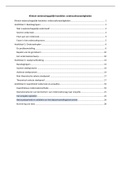
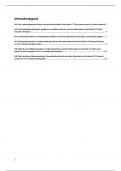
Inhoud
Chapter 1 Introduction............................................................................................................1
Chapter 2 Models of Child Development, Psychopathology, and Treatment..........................3
Chapter 3 Principles and Practices of Developmental Psychopathology................................7
Chapter 4 Classification, Assessment and Diagnosis and Intervention................................10
Chapter 5 Disorders of Early Childhood...............................................................................14
Chapter 6 Intellectual Developmental Disorder and Learning Disorder................................19
Chapter 7 Autism Spectrum Disorder...................................................................................25
Chapter 8 Maltreatment and Trauma- and Stressor-related Disorders.................................31
Chapter 9 Attention-Deficit/Hyperactivity Disorder ADHD.....................................................39
Chapter 10 Oppositional Defiant Disorder and Conduct Disorder.........................................44
Chapter 11 anxiety disorders, obsessive compulsive disorder, and somatic symptoms
disorders............................................................................................................................... 53
Chapter 12 Depressive, Disorders, Bipolar Disorders, and Suicidality..................................66
Chapter 13 Eating Disorders................................................................................................75
Chapter 14 Substance-related disorders, personality disorders and psychotic disorders.....81
Important information from lectures that wasn’t in the book..................................................91
Dyslexia and Dyscalculia: Understanding Learning Disorders..........................................92
Dyslexia: Reading Disorder...........................................................................................92
Dyscalculia: Math Disorder............................................................................................93
Chapter 1 Introduction
Defining disorders
1
,When referring to development and patterns of adaptation and maladaptation →
we primarily use the terms typical and atypical.
Sometimes the terms normal and abnormal are used.
Statistical deviance: the infrequency of certain emotions, cognitions and or behaviors.
Sociocultural norms: the beliefs and expectations in a given time or place or of a group of
people about what kinds of emotions, cognitions and/or behaviors are problematic,
undesirable or unacceptable.
Mental health definitions: theoretical or clinically based notions of distress and dysfunction.
Psychopathology age-related issues of development
1. Infancy
Major issue: Formation of an effective attachment
Additional issues: Basic state and arousal regulation Development of reciprocity Dyadic
regulation of emotion
2. Toddler Period
Major issue: Guided self-regulation
Additional issues: Increased autonomy Increased awareness of self and others Awareness
of standards for behavior Self-conscious emotions
3. Preschool Period
Major issue: Self-regulation
Additional issues: Self-reliance with support (agency) Self-management Expanding social
world Internalization of rules and values
4. School Years
Major issue: Competence
Additional issues: Personal efficacy Self-integration Competence with peers Competence in
school
5. Adolescence
Major issue: Individuation
Additional issues: Autonomy with connectedness Identity Peer network competence
Coordinating school, work, and social life
6. Transition to Adulthood
Major issue: Emancipation
Additional issues: Launching a life course financial responsibility Adult social competence
Coordinating work, training, career, and life
The role of values
Values play a significant role in psychopathology by shaping how individuals perceive and
respond to mental health issues. Cultural, personal, and societal values influence what is
considered "normal" or "abnormal" behavior, thus affecting diagnoses, treatment
approaches, and the stigma associated with certain conditions.
2
, Poor adaptation → adequate adaptation → optimal adaptation
Definition of psychopathology
Psychopathology: refers to intense, frequent, and/or persistent maladaptive patterns of
emotion cognition and behavior.
Developmental psychopathology: empathize that maladaptive patterns occur in the
context of typical development and result in the current and potential impairment of infants,
children and adolescents.
Developmental epidemiology: is the study of how the prevalence and patterns of mental
health disorders and behavioral issues change over time and across developmental stages
in a population. It focuses on understanding the onset, progression, and risk factors for
psychological problems from childhood through adulthood, taking into account both
individual development and broader population trends.
Prevalence: refers to the proportion of a population with a disorder, all current cases of the
disorder
Incidence: refers to the rate at which new cases arise, all new cases in a given time period.
Stigmatization: refers to the process of labeling, stereotyping, and discriminating against
individuals or groups based on perceived differences, such as mental health issues, race, or
disabilities. It leads to social exclusion, shame, and negative treatment, often reinforcing
harmful stereotypes and making it harder for those affected to seek help or be accepted in
society.
Estimating rates of disorders in children and adolescents involves:
1. Identifying children who experience distress and dysfunction
2. Calculating levels of general categories of disorders and specific subtypes of
disorders
3. Tracking changing trends in various rates of disorders
Chapter 2 Models of Child Development, Psychopathology,
and Treatment
Developmental psychopathology
Dimensional models psychopathology (also referred to as continuous or quantitative):
emphasize the ways in which typical feelings, thoughts, and behaviors gradually become
3
Inhoud
Chapter 1 Introduction............................................................................................................1
Chapter 2 Models of Child Development, Psychopathology, and Treatment..........................3
Chapter 3 Principles and Practices of Developmental Psychopathology................................7
Chapter 4 Classification, Assessment and Diagnosis and Intervention................................10
Chapter 5 Disorders of Early Childhood...............................................................................14
Chapter 6 Intellectual Developmental Disorder and Learning Disorder................................19
Chapter 7 Autism Spectrum Disorder...................................................................................25
Chapter 8 Maltreatment and Trauma- and Stressor-related Disorders.................................31
Chapter 9 Attention-Deficit/Hyperactivity Disorder ADHD.....................................................39
Chapter 10 Oppositional Defiant Disorder and Conduct Disorder.........................................44
Chapter 11 anxiety disorders, obsessive compulsive disorder, and somatic symptoms
disorders............................................................................................................................... 53
Chapter 12 Depressive, Disorders, Bipolar Disorders, and Suicidality..................................66
Chapter 13 Eating Disorders................................................................................................75
Chapter 14 Substance-related disorders, personality disorders and psychotic disorders.....81
Important information from lectures that wasn’t in the book..................................................91
Dyslexia and Dyscalculia: Understanding Learning Disorders..........................................92
Dyslexia: Reading Disorder...........................................................................................92
Dyscalculia: Math Disorder............................................................................................93
Chapter 1 Introduction
Defining disorders
1
,When referring to development and patterns of adaptation and maladaptation →
we primarily use the terms typical and atypical.
Sometimes the terms normal and abnormal are used.
Statistical deviance: the infrequency of certain emotions, cognitions and or behaviors.
Sociocultural norms: the beliefs and expectations in a given time or place or of a group of
people about what kinds of emotions, cognitions and/or behaviors are problematic,
undesirable or unacceptable.
Mental health definitions: theoretical or clinically based notions of distress and dysfunction.
Psychopathology age-related issues of development
1. Infancy
Major issue: Formation of an effective attachment
Additional issues: Basic state and arousal regulation Development of reciprocity Dyadic
regulation of emotion
2. Toddler Period
Major issue: Guided self-regulation
Additional issues: Increased autonomy Increased awareness of self and others Awareness
of standards for behavior Self-conscious emotions
3. Preschool Period
Major issue: Self-regulation
Additional issues: Self-reliance with support (agency) Self-management Expanding social
world Internalization of rules and values
4. School Years
Major issue: Competence
Additional issues: Personal efficacy Self-integration Competence with peers Competence in
school
5. Adolescence
Major issue: Individuation
Additional issues: Autonomy with connectedness Identity Peer network competence
Coordinating school, work, and social life
6. Transition to Adulthood
Major issue: Emancipation
Additional issues: Launching a life course financial responsibility Adult social competence
Coordinating work, training, career, and life
The role of values
Values play a significant role in psychopathology by shaping how individuals perceive and
respond to mental health issues. Cultural, personal, and societal values influence what is
considered "normal" or "abnormal" behavior, thus affecting diagnoses, treatment
approaches, and the stigma associated with certain conditions.
2
, Poor adaptation → adequate adaptation → optimal adaptation
Definition of psychopathology
Psychopathology: refers to intense, frequent, and/or persistent maladaptive patterns of
emotion cognition and behavior.
Developmental psychopathology: empathize that maladaptive patterns occur in the
context of typical development and result in the current and potential impairment of infants,
children and adolescents.
Developmental epidemiology: is the study of how the prevalence and patterns of mental
health disorders and behavioral issues change over time and across developmental stages
in a population. It focuses on understanding the onset, progression, and risk factors for
psychological problems from childhood through adulthood, taking into account both
individual development and broader population trends.
Prevalence: refers to the proportion of a population with a disorder, all current cases of the
disorder
Incidence: refers to the rate at which new cases arise, all new cases in a given time period.
Stigmatization: refers to the process of labeling, stereotyping, and discriminating against
individuals or groups based on perceived differences, such as mental health issues, race, or
disabilities. It leads to social exclusion, shame, and negative treatment, often reinforcing
harmful stereotypes and making it harder for those affected to seek help or be accepted in
society.
Estimating rates of disorders in children and adolescents involves:
1. Identifying children who experience distress and dysfunction
2. Calculating levels of general categories of disorders and specific subtypes of
disorders
3. Tracking changing trends in various rates of disorders
Chapter 2 Models of Child Development, Psychopathology,
and Treatment
Developmental psychopathology
Dimensional models psychopathology (also referred to as continuous or quantitative):
emphasize the ways in which typical feelings, thoughts, and behaviors gradually become
3