Lecture 1 – Ethics
Nichomachean Ethics
- In all he does man seeks same good as end or means
o Every art and every kind of inquiry, and likewise every act and purpose, seems to
aim at some good: and so it has been well said that the good is that at which
everything aims
Morals and Ethics
- Morals: actual views of what is morally right and wrong held by individuals or groups
- Ethics: the systematic study of morals
o Descriptive ethics – attempts to explicate actual systems of morals, without
regard to their justifiability or lack thereof
o Normative ethics – attempts to formulate objectively valid moral principles by
which moral judgements can be justified
o Applied ethics – attempts to sue normative ethical theories in solving specific
moral problems
Consequentialist Ethics
- Basic idea: an action is morally right just in case its consequences are at least as good as
those of available alternatives, all relevant parties taken into account
- Good consequences:
o Happiness/welfare/utility
Pleasure and lack of pain (Bentham)
- Relevant parties:
o The one who acts ( ethical egoism)
o Everyone affected by the action ( Utilitarianism)
Ethical egoism
- Basic Principle: an action is morally right just in case the net sum of happiness it
produces is at least equal to that produced by available alternative actions, the one who
acts, and she alone, taken into account
- Objections:
o Not a genuine ethical theory
o Lack a convincing basis
o Has morally unacceptable consequences
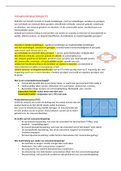
ACT model
- Corporate psychopathy ethical work and information flow moral cognition and agency
o O -> open
o C -> close
1
, Bottom open – feeling the situation
Top open as well – feeling and
considering the situation
Bottom closed – no more new information and only
thinking and coming to terms
Both closed – move to a situation or go
again into the cycle
- Metacognitive – meta means above (note Kant, overcome disgust)
o Cognition – Co-Nition extension of our agency. Comparing my situation with
further situation, or comparing my situation with another’s situation and feel the
difference
o Nition comes from nosis (Greek) – because ‘know’ – knowing something
Knowledge in English often referred to as scientific knowledge
o Nosis – familiarity with come context
Context dependent
- Model above takes understanding of cognition for granted
o Where the input goes in (o/c) – you are putting yourself in a new situation – you
are sending it/feeling it
o If you go up, you allow the sense of being in the situation to come up. Let the
feeling of being in that situation come up; influences what you think
o Third step (c/o) – closing yourself; not taking more information up from the
bottom. Thinking about the new experience. What does it mean for future
action? Will it influence what I do next?
o If it influences you, you will move down to c/c action on bases of prior terms
o If you don’t want to be in the situation you will continue going through thus
cycle until something influences you
cognition is going this all the time – whenever we make a decision
- Important: the role of overcoming disgust in the taking up of another’s situation in
empathy, especially in Kant
- Model as information processing model Stakeholder interests’ analysis
2
Nichomachean Ethics
- In all he does man seeks same good as end or means
o Every art and every kind of inquiry, and likewise every act and purpose, seems to
aim at some good: and so it has been well said that the good is that at which
everything aims
Morals and Ethics
- Morals: actual views of what is morally right and wrong held by individuals or groups
- Ethics: the systematic study of morals
o Descriptive ethics – attempts to explicate actual systems of morals, without
regard to their justifiability or lack thereof
o Normative ethics – attempts to formulate objectively valid moral principles by
which moral judgements can be justified
o Applied ethics – attempts to sue normative ethical theories in solving specific
moral problems
Consequentialist Ethics
- Basic idea: an action is morally right just in case its consequences are at least as good as
those of available alternatives, all relevant parties taken into account
- Good consequences:
o Happiness/welfare/utility
Pleasure and lack of pain (Bentham)
- Relevant parties:
o The one who acts ( ethical egoism)
o Everyone affected by the action ( Utilitarianism)
Ethical egoism
- Basic Principle: an action is morally right just in case the net sum of happiness it
produces is at least equal to that produced by available alternative actions, the one who
acts, and she alone, taken into account
- Objections:
o Not a genuine ethical theory
o Lack a convincing basis
o Has morally unacceptable consequences
ACT model
- Corporate psychopathy ethical work and information flow moral cognition and agency
o O -> open
o C -> close
1
, Bottom open – feeling the situation
Top open as well – feeling and
considering the situation
Bottom closed – no more new information and only
thinking and coming to terms
Both closed – move to a situation or go
again into the cycle
- Metacognitive – meta means above (note Kant, overcome disgust)
o Cognition – Co-Nition extension of our agency. Comparing my situation with
further situation, or comparing my situation with another’s situation and feel the
difference
o Nition comes from nosis (Greek) – because ‘know’ – knowing something
Knowledge in English often referred to as scientific knowledge
o Nosis – familiarity with come context
Context dependent
- Model above takes understanding of cognition for granted
o Where the input goes in (o/c) – you are putting yourself in a new situation – you
are sending it/feeling it
o If you go up, you allow the sense of being in the situation to come up. Let the
feeling of being in that situation come up; influences what you think
o Third step (c/o) – closing yourself; not taking more information up from the
bottom. Thinking about the new experience. What does it mean for future
action? Will it influence what I do next?
o If it influences you, you will move down to c/c action on bases of prior terms
o If you don’t want to be in the situation you will continue going through thus
cycle until something influences you
cognition is going this all the time – whenever we make a decision
- Important: the role of overcoming disgust in the taking up of another’s situation in
empathy, especially in Kant
- Model as information processing model Stakeholder interests’ analysis
2