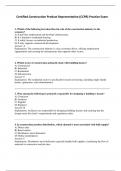
1. A nurse is caring for a patient with a deep vein thrombosis (DVT)
who is receiving heparin therapy. The nurse should monitor which of
the following lab results to assess the effectiveness of the therapy?
A. Prothrombin time (PT)
B. Activated partial thromboplastin time (aPTT)
C. Hemoglobin level
D. Platelet count
Answer: b) Activated partial thromboplastin time (aPTT)
Rationale: Heparin therapy is monitored using the aPTT to ensure the
blood is sufficiently anticoagulated to prevent clot formation while
minimizing the risk of bleeding.
2. A nurse is caring for a postoperative patient who is experiencing
pain. The patient requests medication, stating their pain is a "10" on a
scale of 0-10. The nurse's first action should be to:
A. Administer the prescribed pain medication
B. Ask the patient to describe the pain further
C. Assess the patient's vital signs
D. Notify the physician about the patient's pain
Answer: c) Assess the patient's vital signs
,Rationale: Before administering pain medication, the nurse should first
assess vital signs to rule out any complications, such as hypotension or
tachycardia, which may be linked to pain or other postoperative
concerns.
3. A nurse is preparing to administer an intravenous (IV) medication.
The nurse notes that the medication is ordered as a "piggyback."
Which of the following actions should the nurse take?
A. Hang the medication on the primary IV line above the infusion site
B. Start a new IV site to administer the piggyback medication
C. Administer the medication at a slower rate than the primary infusion
D. Connect the piggyback medication directly to the patient’s central
line
Answer: a) Hang the medication on the primary IV line above the
infusion site
Rationale: The "piggyback" method involves connecting a secondary
infusion (the piggyback) to the primary IV line. It is hung higher than
the primary bag to allow for gravity-assisted flow.
4. A patient has been diagnosed with a myocardial infarction (MI) and
is being treated with a thrombolytic agent. The nurse knows that the
priority nursing intervention during thrombolytic therapy is to:
A. Monitor the patient for signs of bleeding
B. Ensure the patient is on a low-fat diet
C. Encourage early mobilization
, D. Provide educational materials about lifestyle changes
Answer: a) Monitor the patient for signs of bleeding
Rationale: Thrombolytic agents dissolve clots and carry a risk of
bleeding, so it is critical to monitor the patient closely for signs of
internal or external bleeding during therapy.
5. A nurse is educating a pregnant patient about the use of over-the-
counter medications. Which of the following medications should the
nurse advise the patient to avoid during pregnancy?
A. Acetaminophen
B. Ibuprofen
C. Diphenhydramine
D. Loratadine
Answer: b) Ibuprofen
Rationale: Ibuprofen, a nonsteroidal anti-inflammatory drug (NSAID),
can cause complications in pregnancy, including fetal kidney damage
and premature closure of the ductus arteriosus.
6. A nurse is providing discharge instructions for a patient recovering
from abdominal surgery. The nurse should instruct the patient to
report which of the following?
A. Mild pain at the surgical site
B. Increased appetite and thirst
C. Redness and warmth around the incision site
who is receiving heparin therapy. The nurse should monitor which of
the following lab results to assess the effectiveness of the therapy?
A. Prothrombin time (PT)
B. Activated partial thromboplastin time (aPTT)
C. Hemoglobin level
D. Platelet count
Answer: b) Activated partial thromboplastin time (aPTT)
Rationale: Heparin therapy is monitored using the aPTT to ensure the
blood is sufficiently anticoagulated to prevent clot formation while
minimizing the risk of bleeding.
2. A nurse is caring for a postoperative patient who is experiencing
pain. The patient requests medication, stating their pain is a "10" on a
scale of 0-10. The nurse's first action should be to:
A. Administer the prescribed pain medication
B. Ask the patient to describe the pain further
C. Assess the patient's vital signs
D. Notify the physician about the patient's pain
Answer: c) Assess the patient's vital signs
,Rationale: Before administering pain medication, the nurse should first
assess vital signs to rule out any complications, such as hypotension or
tachycardia, which may be linked to pain or other postoperative
concerns.
3. A nurse is preparing to administer an intravenous (IV) medication.
The nurse notes that the medication is ordered as a "piggyback."
Which of the following actions should the nurse take?
A. Hang the medication on the primary IV line above the infusion site
B. Start a new IV site to administer the piggyback medication
C. Administer the medication at a slower rate than the primary infusion
D. Connect the piggyback medication directly to the patient’s central
line
Answer: a) Hang the medication on the primary IV line above the
infusion site
Rationale: The "piggyback" method involves connecting a secondary
infusion (the piggyback) to the primary IV line. It is hung higher than
the primary bag to allow for gravity-assisted flow.
4. A patient has been diagnosed with a myocardial infarction (MI) and
is being treated with a thrombolytic agent. The nurse knows that the
priority nursing intervention during thrombolytic therapy is to:
A. Monitor the patient for signs of bleeding
B. Ensure the patient is on a low-fat diet
C. Encourage early mobilization
, D. Provide educational materials about lifestyle changes
Answer: a) Monitor the patient for signs of bleeding
Rationale: Thrombolytic agents dissolve clots and carry a risk of
bleeding, so it is critical to monitor the patient closely for signs of
internal or external bleeding during therapy.
5. A nurse is educating a pregnant patient about the use of over-the-
counter medications. Which of the following medications should the
nurse advise the patient to avoid during pregnancy?
A. Acetaminophen
B. Ibuprofen
C. Diphenhydramine
D. Loratadine
Answer: b) Ibuprofen
Rationale: Ibuprofen, a nonsteroidal anti-inflammatory drug (NSAID),
can cause complications in pregnancy, including fetal kidney damage
and premature closure of the ductus arteriosus.
6. A nurse is providing discharge instructions for a patient recovering
from abdominal surgery. The nurse should instruct the patient to
report which of the following?
A. Mild pain at the surgical site
B. Increased appetite and thirst
C. Redness and warmth around the incision site