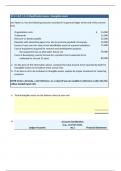
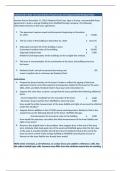
E7.2 (LO2) Inventoriable Goods and Costs
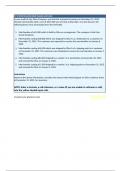
In your audit of Jose Oliva Company, you find that a physical inventory on December 31, 2025,
showed merchandise with a cost of $441,000 was on hand at that date. You also discover the
following items were all excluded from the $441,000.
1. Merchandise of $61,000 which is held by Oliva on consignment. The consignor is the Max
Suzuki Company.
2. Merchandise costing $38,000 which was shipped by Oliva f.o.b. destination to a customer on
December 31, 2025. The customer was expected to receive the merchandise on January 6,
2026.
3. Merchandise costing $46,000 which was shipped by Oliva f.o.b. shipping point to a customer
on December 29, 2025. The customer was scheduled to receive the merchandise on January 2,
2026.
4. Merchandise costing $83,000 shipped by a vendor f.o.b. destination on December 30, 2025,
and received by Oliva on January 4, 2026.
5. Merchandise costing $51,000 shipped by a vendor f.o.b. shipping point on December 31, 2025,
and received by Oliva on January 5, 2026.
Instructions
Based on the above information, calculate the amount that should appear on Oliva’s balance sheet
at December 31, 2025, for inventory.
NOTE: Enter a formula, a cell reference, or a value (if you are unable to reference a cell),
into the yellow shaded input cells.
Inventory per physical count
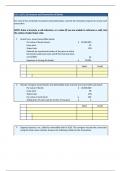
,Solution: E7.2 (LO2) Inventoriable Goods and Costs
In your audit of Jose Oliva Company, you find that a physical inventory on December 31, 2025,
showed merchandise with a cost of $441,000 was on hand at that date. You also discover the
following items were all excluded from the $441,000.
1. Merchandise of $61,000 which is held by Oliva on consignment. The consignor is the Max
Suzuki Company.
2. Merchandise costing $38,000 which was shipped by Oliva f.o.b. destination to a customer on
December 31, 2025. The customer was expected to receive the merchandise on January 6,
2026.
3. Merchandise costing $46,000 which was shipped by Oliva f.o.b. shipping point to a customer
on December 29, 2025. The customer was scheduled to receive the merchandise on January 2,
2026.
4. Merchandise costing $83,000 shipped by a vendor f.o.b. destination on December 30, 2025,
and received by Oliva on January 4, 2026.
5. Merchandise costing $51,000 shipped by a vendor f.o.b. shipping point on December 31, 2025,
and received by Oliva on January 5, 2026.
Instructions
Based on the above information, calculate the amount that should appear on Oliva’s balance sheet
at December 31, 2025, for inventory.
NOTE: Enter a formula, a cell reference, or a value (if you are unable to reference a cell),
into the yellow shaded input cells.
Inventory per physical count $ 441,000
Goods in transit to customer, f.o.b. destination 38,000
Goods in transit from vendor, f.o.b. shipping point 51,000
Inventory to be reported on balance sheet $ 530,000
The consigned goods of $61,000 are not owned by Jose Oliva and were properly excluded.
The goods in transit to a customer of $46,000, shipped f.o.b. shipping point, are properly excluded
from the inventory because the title to the goods passed when they left the seller (Oliva) and
therefore a sale and related cost of goods sold should be recorded in 2017.
The goods in transit from a vendor of $83,000, shipped f.o.b. destination, are properly excluded
from the inventory because the title to the goods does not pass to Oliva until the buyer (Oliva)
receives them.
, E7.9 (LO3) Periodic versus Perpetual Entries
Fong Sai-Yuk Company sells one product. Presented below is information for January for Fong Sai-Yuk
Company.
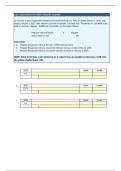
Transaction Units Unit Amount
Jan. 1 Inventory 100 $ 5.00
4 Sale 80 8.00
11 Purchase 150 6.00
13 Sale 120 8.75
20 Purchase 160 7.00
27 Sale 100 9.00
Fong Sai-Yuk uses the FIFO cost flow assumption. All purchases and sales are on account.
Instructions
a. Assume Fong Sai-Yuk uses a periodic system. Prepare all necessary journal entries, including
the end-of-month closing entry to record cost of goods sold. A physical count at January 31 has
been taken.
Physical count of ending inventory for January 110 units
b. Compute gross profit using the periodic system.
c. Assume Fong Sai-Yuk uses a perpetual system. Prepare all necessary journal entries.
NOTE: Enter a formula, a cell reference, or a value (if you are unable to reference a cell),
into the yellow shaded input cells.
a. Date Accounts Debit Credit
In your audit of Jose Oliva Company, you find that a physical inventory on December 31, 2025,
showed merchandise with a cost of $441,000 was on hand at that date. You also discover the
following items were all excluded from the $441,000.
1. Merchandise of $61,000 which is held by Oliva on consignment. The consignor is the Max
Suzuki Company.
2. Merchandise costing $38,000 which was shipped by Oliva f.o.b. destination to a customer on
December 31, 2025. The customer was expected to receive the merchandise on January 6,
2026.
3. Merchandise costing $46,000 which was shipped by Oliva f.o.b. shipping point to a customer
on December 29, 2025. The customer was scheduled to receive the merchandise on January 2,
2026.
4. Merchandise costing $83,000 shipped by a vendor f.o.b. destination on December 30, 2025,
and received by Oliva on January 4, 2026.
5. Merchandise costing $51,000 shipped by a vendor f.o.b. shipping point on December 31, 2025,
and received by Oliva on January 5, 2026.
Instructions
Based on the above information, calculate the amount that should appear on Oliva’s balance sheet
at December 31, 2025, for inventory.
NOTE: Enter a formula, a cell reference, or a value (if you are unable to reference a cell),
into the yellow shaded input cells.
Inventory per physical count
,Solution: E7.2 (LO2) Inventoriable Goods and Costs
In your audit of Jose Oliva Company, you find that a physical inventory on December 31, 2025,
showed merchandise with a cost of $441,000 was on hand at that date. You also discover the
following items were all excluded from the $441,000.
1. Merchandise of $61,000 which is held by Oliva on consignment. The consignor is the Max
Suzuki Company.
2. Merchandise costing $38,000 which was shipped by Oliva f.o.b. destination to a customer on
December 31, 2025. The customer was expected to receive the merchandise on January 6,
2026.
3. Merchandise costing $46,000 which was shipped by Oliva f.o.b. shipping point to a customer
on December 29, 2025. The customer was scheduled to receive the merchandise on January 2,
2026.
4. Merchandise costing $83,000 shipped by a vendor f.o.b. destination on December 30, 2025,
and received by Oliva on January 4, 2026.
5. Merchandise costing $51,000 shipped by a vendor f.o.b. shipping point on December 31, 2025,
and received by Oliva on January 5, 2026.
Instructions
Based on the above information, calculate the amount that should appear on Oliva’s balance sheet
at December 31, 2025, for inventory.
NOTE: Enter a formula, a cell reference, or a value (if you are unable to reference a cell),
into the yellow shaded input cells.
Inventory per physical count $ 441,000
Goods in transit to customer, f.o.b. destination 38,000
Goods in transit from vendor, f.o.b. shipping point 51,000
Inventory to be reported on balance sheet $ 530,000
The consigned goods of $61,000 are not owned by Jose Oliva and were properly excluded.
The goods in transit to a customer of $46,000, shipped f.o.b. shipping point, are properly excluded
from the inventory because the title to the goods passed when they left the seller (Oliva) and
therefore a sale and related cost of goods sold should be recorded in 2017.
The goods in transit from a vendor of $83,000, shipped f.o.b. destination, are properly excluded
from the inventory because the title to the goods does not pass to Oliva until the buyer (Oliva)
receives them.
, E7.9 (LO3) Periodic versus Perpetual Entries
Fong Sai-Yuk Company sells one product. Presented below is information for January for Fong Sai-Yuk
Company.
Transaction Units Unit Amount
Jan. 1 Inventory 100 $ 5.00
4 Sale 80 8.00
11 Purchase 150 6.00
13 Sale 120 8.75
20 Purchase 160 7.00
27 Sale 100 9.00
Fong Sai-Yuk uses the FIFO cost flow assumption. All purchases and sales are on account.
Instructions
a. Assume Fong Sai-Yuk uses a periodic system. Prepare all necessary journal entries, including
the end-of-month closing entry to record cost of goods sold. A physical count at January 31 has
been taken.
Physical count of ending inventory for January 110 units
b. Compute gross profit using the periodic system.
c. Assume Fong Sai-Yuk uses a perpetual system. Prepare all necessary journal entries.
NOTE: Enter a formula, a cell reference, or a value (if you are unable to reference a cell),
into the yellow shaded input cells.
a. Date Accounts Debit Credit