Contents
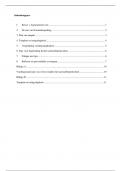
Page et al. (2022) | What is social media?....................................................................3
Belk (2013) | Extended self in a digital world................................................................6
Schlosser (2020) | Self-disclosure versus self-presentation on social media...............8
Bandari & Bimo (2022) | Why’s everyone on TikTok now? The algorithmized self and
the future of self-making on social media......................................................................9
Choi et al. (2020) | A snap of your true self: How self-presentation and temporal
affordance influence self-concept on social media.....................................................12
Ellison, Hancock & Toma (2011) | Profile as promise: A framework for conceptualizing
veracity in online dating self-presentations.................................................................13
Timmermans & de Caluwe (2017) | To Tinder or not to Tinder, that’s the question: An
individual differences perspective to Tinder use and motives.....................................15
Sharabi & Caughlin (2019) | Deception in online dating: significance and implications
for the first offline date.................................................................................................16
Amichai-Hamburger, Kingsbury & Schneider (2013) | Friendship: An old concept with
a new meaning?..........................................................................................................18
Appel et al (2020) | The future of social media in marketing.......................................19
Shanahan et al (2019) | Getting to know you: Social media personalization as a
means of enhancing brand loyalty and perceived quality...........................................21
de Veirman et al (2017) | Marketing through Instagram influencers: the impact of
number of followers and product divergence on brand attitude..................................22
Docu (2014) | Generation like.....................................................................................23
van Zoonen et al (2016) | How employees use Twitter to talk about work: A typology
of work-related tweets.................................................................................................24
Darics & Gatti (2019) | Talking a team into being in online workplace collaborations:
The discourse of virtual work.......................................................................................25
Sandoval-Almazan & Gil-Garcia (2014) | Towards cyberactivism 2.0? Understanding
the use of social media and other information technologies for political activism and
social movements........................................................................................................26
Dumitricia & Felt (2020) | Mediated grassroots collective action: negotiating barriers
of digital activism.........................................................................................................27
Dan et al. (2021) | Visual Mis- and Disinformation, Social Media, and Democracy. . .28
Yarchi et al. (2021) | Political Polarization on the Digital Sphere: A Cross-platform,
Over-time Analysis of Interactional, Positional, and Affective Polarization on Social
Media...........................................................................................................................30
Netflix (2020) | The Social Dilemma............................................................................31
Berger & Milkman (2012) | What makes online content viral......................................32
,Ellison et al. (2011) | With a little help from my friends. How social network sites affect
social capital processes...............................................................................................33
Lee et al. (2014) | Social media, network heterogeneity, and opinion polarization.....35
Mundt, Ross & Burnett (2018) | Scaling social movements through social media: the
case of black lives matter............................................................................................36
Timmermans, Hermans & Opree (2020) | Gone with the wind: Exploring mobile
daters’ ghosting experiences.......................................................................................37
de Vries, Gensler & Leeflang (2012) | Popularity of brand posts on brand fan pages:
An investigation of the effects of social media marketing...........................................39
2
,Page et al. (2022) | What is social media?
Computer mediated communication – cmc
Social media => internet-based sites and services that promote social interaction
between participants
Traditional forms of mass media => one-to-many broadcasting mechanism
Personal forms of private communication => telephone conversation
Social media delivers content via a network of participants where the content can be
published by anyone, but still distributed across potentially large-scale audiences.
umbrella term which groups together a seemingly diverse range of forms, with
different genres, and social media sites and services which realise these genres in
specific ways and a diverse range of communicative channels and text types, some
of which can be integrated within the same site.
Scales of sociality: how many people you interact with, the levels of privacy, and the
modes through which they communicate.
Convergence of media forms and diversity of applications.
Social media often refers to the range of tools and technologies that began to be
developed in the latter years of the 1990s and became sites of mainstream internet
activities in the first decade of the twenty-first century.
Increasingly interactive potential of social media and increasingly multimodal
nature of those interactions
Fast-paced rise and fall of particular sites and services, where some have
become defunct, while others have been bought and rebranded
From the 1990s on, with increased possibilities for access, social media interactions
could be produced and consumed in a greater range of locations and at any point in
time.
Contrast between old (1.0) and new (2.0) web genres. Characteristics associated
with web 2.0 reflected an apparent shift towards web users as creators (rather than
consumers) of content, where software and online publications were in a continuous
and rapid process of updating. The term ‘web 2.0’ is better understood as a rhetorical
label which was particularly important for strategically reframing e-commerce in the
early twenty-first century.
Two of the most influential models that have been used in studies of social media:
Kaplan and Haenlein’s (2010) factors for classifying social media types: Social
presence theory and media richness to compare the different ways in which
participants might engage in interactions that are more or less direct (in time
and space) and which allow a greater or lesser amount of information to be
conveyed between the participants.
Media characteristics
Social presence Degree of mediation High-low
3
, Degree of immediacy High-low
Media richness Amount of information High-low
Social characteristics
Self-presentation Extent and forms of self- High-low
disclosure Representational mode
Herring’s (2007) medium and situation factors: describing the factors which
influence language practices in online contexts. Like Kaplan and Haenlein, a
distinction between the characteristics which are associated with properties of
the medium and those which are related to the participants and the broader
situation in which the interaction takes place.
Medium factors Synchronicity Asynchronous-
synchornous
Message transmission One-to-one, one-to-may,
many-to-many
Persistence of the Ephemeral-archived
transcript
Size of message channels Amount of text conveyed
of communication words, image, sound,
video
Privacy settings Public, semi-public, semi-
private, private contexts
Anonymous Extent to which the
participants’ identities are
represented within a site
Message format Architectures for
displaying interactions
Situation factors Participation structure Number of participants
involved
Participant characteristics Stated or assumed
demographic and
ideological characteristics
Purpose Goals or interaction
(either at individual or
group level)
Topic Subject matter
Tone Formal or informal
Norms Accepted practices
established by the group
Code Language variety and
choice of script
In order to document the variety within forms of social media communication,
classification systems need to be flexible and open-ended. Social media platforms
can be set alongside the genres of communication that take place in earlier online
and offline forms.
4
Page et al. (2022) | What is social media?....................................................................3
Belk (2013) | Extended self in a digital world................................................................6
Schlosser (2020) | Self-disclosure versus self-presentation on social media...............8
Bandari & Bimo (2022) | Why’s everyone on TikTok now? The algorithmized self and
the future of self-making on social media......................................................................9
Choi et al. (2020) | A snap of your true self: How self-presentation and temporal
affordance influence self-concept on social media.....................................................12
Ellison, Hancock & Toma (2011) | Profile as promise: A framework for conceptualizing
veracity in online dating self-presentations.................................................................13
Timmermans & de Caluwe (2017) | To Tinder or not to Tinder, that’s the question: An
individual differences perspective to Tinder use and motives.....................................15
Sharabi & Caughlin (2019) | Deception in online dating: significance and implications
for the first offline date.................................................................................................16
Amichai-Hamburger, Kingsbury & Schneider (2013) | Friendship: An old concept with
a new meaning?..........................................................................................................18
Appel et al (2020) | The future of social media in marketing.......................................19
Shanahan et al (2019) | Getting to know you: Social media personalization as a
means of enhancing brand loyalty and perceived quality...........................................21
de Veirman et al (2017) | Marketing through Instagram influencers: the impact of
number of followers and product divergence on brand attitude..................................22
Docu (2014) | Generation like.....................................................................................23
van Zoonen et al (2016) | How employees use Twitter to talk about work: A typology
of work-related tweets.................................................................................................24
Darics & Gatti (2019) | Talking a team into being in online workplace collaborations:
The discourse of virtual work.......................................................................................25
Sandoval-Almazan & Gil-Garcia (2014) | Towards cyberactivism 2.0? Understanding
the use of social media and other information technologies for political activism and
social movements........................................................................................................26
Dumitricia & Felt (2020) | Mediated grassroots collective action: negotiating barriers
of digital activism.........................................................................................................27
Dan et al. (2021) | Visual Mis- and Disinformation, Social Media, and Democracy. . .28
Yarchi et al. (2021) | Political Polarization on the Digital Sphere: A Cross-platform,
Over-time Analysis of Interactional, Positional, and Affective Polarization on Social
Media...........................................................................................................................30
Netflix (2020) | The Social Dilemma............................................................................31
Berger & Milkman (2012) | What makes online content viral......................................32
,Ellison et al. (2011) | With a little help from my friends. How social network sites affect
social capital processes...............................................................................................33
Lee et al. (2014) | Social media, network heterogeneity, and opinion polarization.....35
Mundt, Ross & Burnett (2018) | Scaling social movements through social media: the
case of black lives matter............................................................................................36
Timmermans, Hermans & Opree (2020) | Gone with the wind: Exploring mobile
daters’ ghosting experiences.......................................................................................37
de Vries, Gensler & Leeflang (2012) | Popularity of brand posts on brand fan pages:
An investigation of the effects of social media marketing...........................................39
2
,Page et al. (2022) | What is social media?
Computer mediated communication – cmc
Social media => internet-based sites and services that promote social interaction
between participants
Traditional forms of mass media => one-to-many broadcasting mechanism
Personal forms of private communication => telephone conversation
Social media delivers content via a network of participants where the content can be
published by anyone, but still distributed across potentially large-scale audiences.
umbrella term which groups together a seemingly diverse range of forms, with
different genres, and social media sites and services which realise these genres in
specific ways and a diverse range of communicative channels and text types, some
of which can be integrated within the same site.
Scales of sociality: how many people you interact with, the levels of privacy, and the
modes through which they communicate.
Convergence of media forms and diversity of applications.
Social media often refers to the range of tools and technologies that began to be
developed in the latter years of the 1990s and became sites of mainstream internet
activities in the first decade of the twenty-first century.
Increasingly interactive potential of social media and increasingly multimodal
nature of those interactions
Fast-paced rise and fall of particular sites and services, where some have
become defunct, while others have been bought and rebranded
From the 1990s on, with increased possibilities for access, social media interactions
could be produced and consumed in a greater range of locations and at any point in
time.
Contrast between old (1.0) and new (2.0) web genres. Characteristics associated
with web 2.0 reflected an apparent shift towards web users as creators (rather than
consumers) of content, where software and online publications were in a continuous
and rapid process of updating. The term ‘web 2.0’ is better understood as a rhetorical
label which was particularly important for strategically reframing e-commerce in the
early twenty-first century.
Two of the most influential models that have been used in studies of social media:
Kaplan and Haenlein’s (2010) factors for classifying social media types: Social
presence theory and media richness to compare the different ways in which
participants might engage in interactions that are more or less direct (in time
and space) and which allow a greater or lesser amount of information to be
conveyed between the participants.
Media characteristics
Social presence Degree of mediation High-low
3
, Degree of immediacy High-low
Media richness Amount of information High-low
Social characteristics
Self-presentation Extent and forms of self- High-low
disclosure Representational mode
Herring’s (2007) medium and situation factors: describing the factors which
influence language practices in online contexts. Like Kaplan and Haenlein, a
distinction between the characteristics which are associated with properties of
the medium and those which are related to the participants and the broader
situation in which the interaction takes place.
Medium factors Synchronicity Asynchronous-
synchornous
Message transmission One-to-one, one-to-may,
many-to-many
Persistence of the Ephemeral-archived
transcript
Size of message channels Amount of text conveyed
of communication words, image, sound,
video
Privacy settings Public, semi-public, semi-
private, private contexts
Anonymous Extent to which the
participants’ identities are
represented within a site
Message format Architectures for
displaying interactions
Situation factors Participation structure Number of participants
involved
Participant characteristics Stated or assumed
demographic and
ideological characteristics
Purpose Goals or interaction
(either at individual or
group level)
Topic Subject matter
Tone Formal or informal
Norms Accepted practices
established by the group
Code Language variety and
choice of script
In order to document the variety within forms of social media communication,
classification systems need to be flexible and open-ended. Social media platforms
can be set alongside the genres of communication that take place in earlier online
and offline forms.
4