Topic 4: Ecology
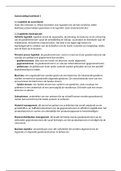
Definitions:
Ecology: study of relationships between living organisms and their environment
Species: a group of organisms that can interbreed to produce a fertile offspring
Population: group of organisms of the same species living in the same area and time
Community: group of population living and interacting with each other in an are
Ecosystem: a community and its abiotic (non-living) environment
Biome: group of ecosystems (can vary)
Habitat: environment which species live in – location
Niche: way organisms live (eat / mate / lifestyle)
Microorganisms decompose dead bodies and provide nutrition to the soil, while
plants produce oxygen, so both are crucial organisms.
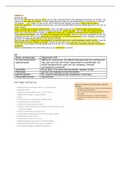
Feeding Methods
Autotrophs (producers):
or self replicating Hetrotrophs (consumers): or
organisms that produce organisms that derive enrgy
their own food from from other living organisms
organic molecules
Consumers: ingests
Decomposers: derive
Photoautrophy: use light Chemoautrophy: use organic or living matter
their energy from non-
to photosynthesize chemicals like bacteria or one that has been
living matter
recently killed
Saprotrophs: lives in or Secondary: feed on
Detritivores: ingests non- on non-living matter so it Primary:feed on consumers - carnivores
living matter like earth secretes digestive producers - herbivores - omnivores
worms enzymes and absorbs eats plants
digestive products
, SlideShare SS:
Food chain: diagram showing flow of energy through trophic levels of a feeding relationship.
NOTE: energy cannot be recycled but nutrients can be.
A trophic level is a feeding position of an organism in a food chain.
Definitions:
Ecology: study of relationships between living organisms and their environment
Species: a group of organisms that can interbreed to produce a fertile offspring
Population: group of organisms of the same species living in the same area and time
Community: group of population living and interacting with each other in an are
Ecosystem: a community and its abiotic (non-living) environment
Biome: group of ecosystems (can vary)
Habitat: environment which species live in – location
Niche: way organisms live (eat / mate / lifestyle)
Microorganisms decompose dead bodies and provide nutrition to the soil, while
plants produce oxygen, so both are crucial organisms.
Feeding Methods
Autotrophs (producers):
or self replicating Hetrotrophs (consumers): or
organisms that produce organisms that derive enrgy
their own food from from other living organisms
organic molecules
Consumers: ingests
Decomposers: derive
Photoautrophy: use light Chemoautrophy: use organic or living matter
their energy from non-
to photosynthesize chemicals like bacteria or one that has been
living matter
recently killed
Saprotrophs: lives in or Secondary: feed on
Detritivores: ingests non- on non-living matter so it Primary:feed on consumers - carnivores
living matter like earth secretes digestive producers - herbivores - omnivores
worms enzymes and absorbs eats plants
digestive products
, SlideShare SS:
Food chain: diagram showing flow of energy through trophic levels of a feeding relationship.
NOTE: energy cannot be recycled but nutrients can be.
A trophic level is a feeding position of an organism in a food chain.