DOWNLOAD
Chamberlain College of Nursing
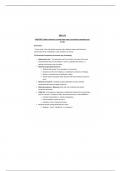
HESI PN Pharmacology Retake
Questions AND Answers
Course: PHARMACOLOGY
, HESI PN PHARMACOLOGY RETAKE (QUESTIONS AND
ANSWERS)
1. A healthcare provider prescribes cephalexin monohydrate (Keflex) for a client
with a postoperative infection. It is most important for the nurse to assess for what
additional drug allergy before administering this prescription?
A) Penicillins.
B) Aminoglycosides.
C) Erythromycins.
D) Sulfonamides.
A) Penicillins.
Cross-allergies exist between penicillins (A) and cephalosporins, such as cephalexin
monohydrate (Keflex), so checking for penicillin allergy is a wise precaution before
administering this drug.
2. Which nursing intervention is most important when caring for a client receiving
the antimetabolite cytosine arabinoside (Arc-C) for chemotherapy?
A) Hydrate the client with IV fluids before and after infusion.
B) Assess the client for numbness and tingling of extremities.
C) Inspect the client's oral mucosa for ulcerations.
D) Monitor the client's urine pH for increased acidity.
C) Inspect the client's oral mucosa for ulcerations.
Cytosine arabinoside (Arc-C) affects the rapidly growing cells of the body, therefore
stomatitis and mucosal ulcerations are key signs of antimetabolite toxicity (C). (A, B, and D)
are not typical interventions associated with the administration of antimetabolites.
3. When assessing an adolescent who recently overdosed on acetaminophen
(Tylenol), it is most important for the nurse to assess for pain in which area of the
body?
A) Flank.
,B) Abdomen.
C) Chest.
D) Head.
B) Abdomen.
Acetaminophen toxicity can result in liver damage; therefore, it is especially important for
the nurse to assess for pain in the right upper quadrant of the abdomen (B), which might
indicate liver damage. (A, C, and D) are not areas where pain would be anticipated.
4. An adult client is given a prescription for a scopolamine patch (Transderm Scop) to
prevent motion sickness while on a cruise. Which information should the nurse
provide to the client?
A) Apply the patch at least 4 hours prior to departure.
B) Change the patch every other day while on the cruise.
C) Place the patch on a hairless area at the base of the skull.
D) Drink no more than 2 alcoholic drinks during the cruise.
A) Apply the patch at least 4 hours prior to departure.
Scopolamine, an anticholinergic agent, is used to prevent motion sickness and has a peak
onset in 6 hours, so the client should be instructed to apply the patch at least 4 hours before
departure (A) on the cruise ship. The duration of the transdermal patch is 72 hours, so (B)
is not needed. Scolopamine blocks muscarinic receptors in the inner ear and to the
vomiting center, so the best application site of the patch is behind the ear, not at the base of
the skull (C). Anticholinergic medications are CNS depressants, so the client should be
instructed to avoid alcohol (D) while using the patch.
5. The nurse is reviewing the use of the patient-controlled analgesia (PCA) pump
with a client in the immediate postoperative period. The client will receive morphine
1 mg IV per hour basal rate with 1 mg IV every 15 minutes per PCA to total 5 mg IV
maximally per hour. What assessment has the highest priority before initiating the
PCA pump?
A) The expiration date on the morphine syringe in the pump.
B) The rate and depth of the client's respirations.
C) The type of anesthesia used during the surgical procedure.
D) The client's subjective and objective signs of pain.
, B) The rate and depth of the client's respirations.
A life-threatening side effect of intravenous administration of morphine sulfate, an opiate
narcotic, is respiratory depression (B). The PCA pump should be stopped and the
healthcare provider notified if the client's respiratory rate falls below 12 breaths per
minute, and the nurse should anticipate adjustments in the client's dosage before the PCA
pump is restarted. (A, C, and D) provide helpful information, but are not as high a priority
as the assessment described in (B).
6. A medication that is classified as a beta-1 agonist is most commonly prescribed for
a client with which condition?
A) Glaucoma.
B) Hypertension.
C) Heart failure.
D) Asthma.
C) Heart failure.
Beta-1 agonists improve cardiac output by increasing the heart rate and blood pressure and
are indicated in heart failure (C), shock, atrioventricular block dysrhythmias, and cardiac
arrest. Glaucoma (A) is managed using adrenergic agents and beta-adrenergic blocking
agents. Beta-1 blocking agents are used in the management of hypertension (B).
Medications that stimulate beta-2 receptors in the bronchi are effective for
bronchoconstriction in respiratory disorders, such as asthma (D).
7. A female client with rheumatoid arthritis take ibuprofen (Motrin) 600 mg PO 4
times a day. To prevent gastrointestinal bleeding, misoprostol (Cytotec) 100 mcg PO
is prescribed. Which information is most important for the nurse to include in client
teaching?
A) Use contraception during intercourse.
B) Ensure the Cytotec is taken on an empty stomach.
C) Encourage oral fluid intake to prevent constipation.
D) Take Cytotec 30 minutes prior to Motrin.
A) Use contraception during intercourse.
Cytotec, a synthetic form of a prostaglandin, is classified as pregnancy Category X and can
act as an abortifacient, so the client should be instructed to use contraception during
Chamberlain College of Nursing
HESI PN Pharmacology Retake
Questions AND Answers
Course: PHARMACOLOGY
, HESI PN PHARMACOLOGY RETAKE (QUESTIONS AND
ANSWERS)
1. A healthcare provider prescribes cephalexin monohydrate (Keflex) for a client
with a postoperative infection. It is most important for the nurse to assess for what
additional drug allergy before administering this prescription?
A) Penicillins.
B) Aminoglycosides.
C) Erythromycins.
D) Sulfonamides.
A) Penicillins.
Cross-allergies exist between penicillins (A) and cephalosporins, such as cephalexin
monohydrate (Keflex), so checking for penicillin allergy is a wise precaution before
administering this drug.
2. Which nursing intervention is most important when caring for a client receiving
the antimetabolite cytosine arabinoside (Arc-C) for chemotherapy?
A) Hydrate the client with IV fluids before and after infusion.
B) Assess the client for numbness and tingling of extremities.
C) Inspect the client's oral mucosa for ulcerations.
D) Monitor the client's urine pH for increased acidity.
C) Inspect the client's oral mucosa for ulcerations.
Cytosine arabinoside (Arc-C) affects the rapidly growing cells of the body, therefore
stomatitis and mucosal ulcerations are key signs of antimetabolite toxicity (C). (A, B, and D)
are not typical interventions associated with the administration of antimetabolites.
3. When assessing an adolescent who recently overdosed on acetaminophen
(Tylenol), it is most important for the nurse to assess for pain in which area of the
body?
A) Flank.
,B) Abdomen.
C) Chest.
D) Head.
B) Abdomen.
Acetaminophen toxicity can result in liver damage; therefore, it is especially important for
the nurse to assess for pain in the right upper quadrant of the abdomen (B), which might
indicate liver damage. (A, C, and D) are not areas where pain would be anticipated.
4. An adult client is given a prescription for a scopolamine patch (Transderm Scop) to
prevent motion sickness while on a cruise. Which information should the nurse
provide to the client?
A) Apply the patch at least 4 hours prior to departure.
B) Change the patch every other day while on the cruise.
C) Place the patch on a hairless area at the base of the skull.
D) Drink no more than 2 alcoholic drinks during the cruise.
A) Apply the patch at least 4 hours prior to departure.
Scopolamine, an anticholinergic agent, is used to prevent motion sickness and has a peak
onset in 6 hours, so the client should be instructed to apply the patch at least 4 hours before
departure (A) on the cruise ship. The duration of the transdermal patch is 72 hours, so (B)
is not needed. Scolopamine blocks muscarinic receptors in the inner ear and to the
vomiting center, so the best application site of the patch is behind the ear, not at the base of
the skull (C). Anticholinergic medications are CNS depressants, so the client should be
instructed to avoid alcohol (D) while using the patch.
5. The nurse is reviewing the use of the patient-controlled analgesia (PCA) pump
with a client in the immediate postoperative period. The client will receive morphine
1 mg IV per hour basal rate with 1 mg IV every 15 minutes per PCA to total 5 mg IV
maximally per hour. What assessment has the highest priority before initiating the
PCA pump?
A) The expiration date on the morphine syringe in the pump.
B) The rate and depth of the client's respirations.
C) The type of anesthesia used during the surgical procedure.
D) The client's subjective and objective signs of pain.
, B) The rate and depth of the client's respirations.
A life-threatening side effect of intravenous administration of morphine sulfate, an opiate
narcotic, is respiratory depression (B). The PCA pump should be stopped and the
healthcare provider notified if the client's respiratory rate falls below 12 breaths per
minute, and the nurse should anticipate adjustments in the client's dosage before the PCA
pump is restarted. (A, C, and D) provide helpful information, but are not as high a priority
as the assessment described in (B).
6. A medication that is classified as a beta-1 agonist is most commonly prescribed for
a client with which condition?
A) Glaucoma.
B) Hypertension.
C) Heart failure.
D) Asthma.
C) Heart failure.
Beta-1 agonists improve cardiac output by increasing the heart rate and blood pressure and
are indicated in heart failure (C), shock, atrioventricular block dysrhythmias, and cardiac
arrest. Glaucoma (A) is managed using adrenergic agents and beta-adrenergic blocking
agents. Beta-1 blocking agents are used in the management of hypertension (B).
Medications that stimulate beta-2 receptors in the bronchi are effective for
bronchoconstriction in respiratory disorders, such as asthma (D).
7. A female client with rheumatoid arthritis take ibuprofen (Motrin) 600 mg PO 4
times a day. To prevent gastrointestinal bleeding, misoprostol (Cytotec) 100 mcg PO
is prescribed. Which information is most important for the nurse to include in client
teaching?
A) Use contraception during intercourse.
B) Ensure the Cytotec is taken on an empty stomach.
C) Encourage oral fluid intake to prevent constipation.
D) Take Cytotec 30 minutes prior to Motrin.
A) Use contraception during intercourse.
Cytotec, a synthetic form of a prostaglandin, is classified as pregnancy Category X and can
act as an abortifacient, so the client should be instructed to use contraception during