Pathophysiology Final Exam Study Guide-1
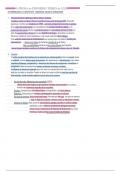
Pathophysiology Final Exam Study Guide-1 Chapter 1 • ATP function in cell metabolism o ATP = ENERGY currency for the cell • Aerobic and Anaerobic metabolism o Aerobic = requires oxygen to form CO2 and H2O as energy- Krebs cycle o Anaerobic = no oxygen required; occurs in glycolysis = glucose pyruvic acid lactic acid: what pyruvate turns during glycolysis when oxygen is not present • Cell signaling and communication mechanisms o Cell surface receptors: G protein linked receptors: Function as an on/ off switch to convert external signals (first messengers- proteins, small peptides, amino acids, fatty acids) into internal signals (second messengers- by the response of secretion, muscle contraction or relaxation or change in metabolism). Enzyme linked receptors: Widely used in hormone control of cell function Ion channel linked receptors: Involved in rapid synaptic signaling between electrically excitable cells in nerve and muscle cells. • Membrane potentials and their functions o Movement of ions in water. o Changes in membrane potentials are necessary for generation and conduction of nerve impulses and muscle contraction. Chapter 2 • Normal adaptive process (cell structure and function) o Allows stressed tissue to the survived or maintain function. • Atrophy: Decrease in cell size • Hypertrophy: Increase in cell size • Hyperplasia: Increase in number of cells • Metaplasia: When one adult cell type is replaced by another adult cell type. • Dysplasia: Deranged cell growth of a specific tissue. • Two patterns of reversible cell injury o cellular swelling: occurs with the impairment of energy- dependent sodium potassium pump, as a result of a hypoxic cell injury. o fatty changes: due to intracellular accumulation of fat, indicates cell injury. • Cell injury o Hypoxic cell injury: Hypoxia deprives the cell of oxygen and interrupts oxidative metabolism and the generation of ATP. The cell swells with water o Nutritional imbalances contribute to cell injury • Apoptosis: Programmed cell death/ suicide. Removes worn out cells and unwanted tissue. • Necrosis: unregulated cell death caused by injuries to cells. Cell death and degradation of cells that are part of living tissue. Cells swell and rupture which results in inflammation. They are then destroyed by WBCs. • Dry gangrene: lack of arterial blood supply but venous flow can carry fluid out of tissue, tissue tends to coagulate. • Wet gangrene: Lack of venous flow lets fluid accumulate in tissue, tissue tends to liquefy, and infection is likely. • Gas gangrene: clostridium infection produces toxins and gas bubbles Chapter 3 • Process of inflammation • Acute inflammation -Local Response o Vascular stage: o Brief phase of vasoconstriction, followed by vasodilation. o increases blood flow (vasodilation), structural changes (vascular permeability). Mediators include histamine and nitric oxide • Redness and warmth result Capillaries become more permeable (vascular permeability) • Allows exudate to escape into the tissues • Mediators include histamine, bradykinin, and leukotrienes. • Swelling, pain, and impaired function result. o Cellular stage: immigration of leukocytes (neutrophils), at the site of injury. white blood cells enter the injured tissue • destroys infective organisms • removed damaged cells • releases inflammatory mediators to control further inflammation and healing. Stages: • Margination and adhesion • Transmigration • Chemotaxis- leukocytes are brought to the site of infection • Activation and phagocytosis • Systemic response: Occurs in sepsis, when large quantities of microorganisms in the blood result in an uncontrolled inflammatory response, produce and release lots of inflammatory cytokines. o Acute Phase Response: Leukocytes release interleukins (glycoproteins produced by leukocytes regulating immune response) and tumor necrosis factor. Affect thermoregulatory center fever Affect the central nervous system lethargy Skeletal muscle breakdown o White blood cell response: Inflammatory mediators cause WBC production. WBC count rises leukocytosis. • Five cardinal signs of acute inflammation o Rubor (redness), tumor (swelling), calor (heat), dolor (pain), and function laesa (loss of function) • Chronic inflammation: o Involves infiltration with Macrophages, Lymphocytes, and Fibroblasts o Leading to persistent inflammation, fibroblast proliferation, and scar formation o Causes Foreign bodies (i.e. splinters, sutures, silica, and asbestos), viruses, bacteria, fungi Autoimmune diseases Obesity (adipose tissue: a source of proinflammatory mediators) • Plasma-derived mediators: o Kinins: pain o Coagulation and fibrinolysis proteins: contributes to the vascular phase of inflammation through fibrin products formed during the final steps in the coagulation process. o Complement system: cause vasodilation and increased vascular permeability, promote leukocyte activation, adhesion, and chemotaxis, augment phagocytosis • Cell-derived mediators: o Vasoactive amines: histamine, serotonin o Eicosanoid family: prostaglandins, leukotrienes o Omega 3 polyunsaturated fatty acids o Platelet activating factor o Cytokines and chemokines o Nitric oxide o Reactive oxygen species • Local from systemic manifestations of inflammation o Systemic manifestation (fever)- whole body o Chemical mediators (cytokines) • Five types of inflammatory exudates o Serous: Watery fluid, low in protein o Hemorrhagic: leakage of RBCs from capillaries o Fibrinous: Large amounts of fibrinogen, thick meshy o Membranous: develops in mucous membrane surfaces, composed of necrotic dead cells. o Purulent: pus, degraded WBCs, proteins and tissue debris. Chapter 4………………………………………….CONTINUED……………………………………………
Written for
- Institution
- Curry College
- Course
- NURSING 2100 (NURSING2100)
Document information
- Uploaded on
- January 21, 2021
- Number of pages
- 48
- Written in
- 2020/2021
- Type
- Other
- Person
- Unknown
Subjects
-
• membrane potentials
-
• atp function in cell metabolism
-
• aerobic and anaerobic metabolism
-
g protein linked receptors