Lecture 3
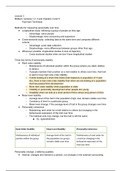
Midterm: lectures 1,2 ,3 and chapters 3 and 5
Feynman Technique
Methods for measuring personality over time
● Longitudinal study: following a group of people as they age
○ Advantage: same people
○ Disadvantage: time consuming and expensive
● Cross-sectional study: collecting data at the same time and compares different
cohorts
○ Advantage: quick data collection
○ Disadvantage: more differences between groups other than age
● Whenever possible: longitudinal studies to look at trajectory
○ Cross sectional studies when we don't have longitudinal studies
Three key forms of personality stability
● Rank order stability
○ Maintenance of individual position within the group (where you stack relative
to others)
○ If people maintain their position on a trait relative to others over time, that trait
is said to have high rank order stability
○ If were looking at a short time frame (trait trajectory in population of 4 year
lds), there is less rank order stability than when we are looking at a population
that has passed time development
○ More rank order stability when population is older
○ Volatility in personality development when people are young
○ Instability when we look at a short period of time versus long person of time
● Mean level stability
○ Average level of the trait in the population (high, low) remains stable over time
○ Constancy of level in a particular group
○ Mean level change: if the average level of trait in the group changes over time
● Personality coherence
○ Maintaining rank order for a trait relative to others but changing in the
behavioural expression of the trait over time
○ The habitual acts may change, but the trait is still the same
■ Ex. agreeableness
Rank-Order Stability Mean-Level Stability Personality Coherence
Maintenance of individual Average level of the trait in Maintenance of rank order for
position within the group the population (or group) a trait but changing in the
remains stable over time behavioral expression of the
trait over time
Personality change: 2 defining qualities
● Internal: changes are internal to a person, not changes in the external surrounding
, ● Enduring: changes are enduring over time, not temporary
Personality over time: three levels of analysis
1. Population level
a. Changes or inconsistencies that apply more or less to everyone
i. Freud’s theory of psychosexual development
Big five trait changes during childhood
● Emotional regulation and action control: between 18 months to 9 years
● We see changes in action control: ex remembering to keep track of their belongings
● Many changes through the teen years
○ Longitudinal and cross-sectional studies show openness to experience
increases, greater capacity for understanding complex idea-less rule bound
○ While children often accept rules, teens question why they’re there in the first
place
○ Conscientiousness increases
○ Agreeableness increases: overall, as teens grow up, teh become nicer and
more responsible
2. Group differences level
a. Changes or consistencies that affect groups differently, ex gender
differences, cultural differences
3. Individual differences
a. Changes or consistencies that affect individuals differently
b. Can we predict who is at risk for psychological disturbance later in life based
on earlier measures of personality? Can we predict which individuals will stay
the same or change over time?
Research on personality development
● Findings for personality stability and change over time
Personality stability over time
● Stability of temperaments during infancy
○ Temperament: individual differences that emerge very early in life, are
heritable,and involve behaviours that are linked with emotionality or
arousability
○ Temperament factors include activity level, smiling and laughter, fear, distress
to limitations, soothability, and the duration of orienting
○ Assessed by caregivers
Research findings: infant temperament
● Stability of temperament during infancy
○ Stable individual differences emerge early in life, when they can be assessed
by observers
○ Most temperament variables have modern levels of stability over time during
the first year of live
○ Level of stability of temperament increases as infants mature
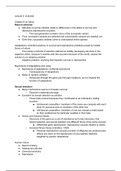
Midterm: lectures 1,2 ,3 and chapters 3 and 5
Feynman Technique
Methods for measuring personality over time
● Longitudinal study: following a group of people as they age
○ Advantage: same people
○ Disadvantage: time consuming and expensive
● Cross-sectional study: collecting data at the same time and compares different
cohorts
○ Advantage: quick data collection
○ Disadvantage: more differences between groups other than age
● Whenever possible: longitudinal studies to look at trajectory
○ Cross sectional studies when we don't have longitudinal studies
Three key forms of personality stability
● Rank order stability
○ Maintenance of individual position within the group (where you stack relative
to others)
○ If people maintain their position on a trait relative to others over time, that trait
is said to have high rank order stability
○ If were looking at a short time frame (trait trajectory in population of 4 year
lds), there is less rank order stability than when we are looking at a population
that has passed time development
○ More rank order stability when population is older
○ Volatility in personality development when people are young
○ Instability when we look at a short period of time versus long person of time
● Mean level stability
○ Average level of the trait in the population (high, low) remains stable over time
○ Constancy of level in a particular group
○ Mean level change: if the average level of trait in the group changes over time
● Personality coherence
○ Maintaining rank order for a trait relative to others but changing in the
behavioural expression of the trait over time
○ The habitual acts may change, but the trait is still the same
■ Ex. agreeableness
Rank-Order Stability Mean-Level Stability Personality Coherence
Maintenance of individual Average level of the trait in Maintenance of rank order for
position within the group the population (or group) a trait but changing in the
remains stable over time behavioral expression of the
trait over time
Personality change: 2 defining qualities
● Internal: changes are internal to a person, not changes in the external surrounding
, ● Enduring: changes are enduring over time, not temporary
Personality over time: three levels of analysis
1. Population level
a. Changes or inconsistencies that apply more or less to everyone
i. Freud’s theory of psychosexual development
Big five trait changes during childhood
● Emotional regulation and action control: between 18 months to 9 years
● We see changes in action control: ex remembering to keep track of their belongings
● Many changes through the teen years
○ Longitudinal and cross-sectional studies show openness to experience
increases, greater capacity for understanding complex idea-less rule bound
○ While children often accept rules, teens question why they’re there in the first
place
○ Conscientiousness increases
○ Agreeableness increases: overall, as teens grow up, teh become nicer and
more responsible
2. Group differences level
a. Changes or consistencies that affect groups differently, ex gender
differences, cultural differences
3. Individual differences
a. Changes or consistencies that affect individuals differently
b. Can we predict who is at risk for psychological disturbance later in life based
on earlier measures of personality? Can we predict which individuals will stay
the same or change over time?
Research on personality development
● Findings for personality stability and change over time
Personality stability over time
● Stability of temperaments during infancy
○ Temperament: individual differences that emerge very early in life, are
heritable,and involve behaviours that are linked with emotionality or
arousability
○ Temperament factors include activity level, smiling and laughter, fear, distress
to limitations, soothability, and the duration of orienting
○ Assessed by caregivers
Research findings: infant temperament
● Stability of temperament during infancy
○ Stable individual differences emerge early in life, when they can be assessed
by observers
○ Most temperament variables have modern levels of stability over time during
the first year of live
○ Level of stability of temperament increases as infants mature