IRM1501 OCTOBER NOVEMBER PORTFOLIO (COMPLETE ANSWERS) Semester 2 2025 - DUE 7
October 2025
Course
Introduction to Research Methodology for Law and C (IRM1501)
Institution
University Of South Africa (Unisa)
Book
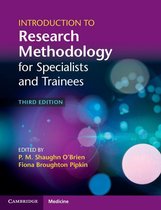
Introduction to Research Methods
IRM1501 OCTOBER NOVEMBER PORTFOLIO (COMPLETE ANSWERS) Semester 2 2025 - DUE 7
October 2025; 100% TRUSTED Complete, trusted solutions and explanations.
. 21. Do not take pictures of your hand-written or printed pages with your smart phone and
then use an app to convert these photos into a pdf document. The quality of these photos may
interfere with the marking of the document. If the marker cannot read the information
contained on the page, it cannot be marked. All queries regarding problems with online
submissions of portfolios MUST BE DIRECTED TO: ; or . Unfortunately, your lecturers CANNOT
assist you with technical or administrative challenges. PORTFPOLIO EXAM QUESTIONS
QUESTION 1 Discuss the relevant aspects of the case of Social Justice Coalition and Others v
Minister of Police and Others (CCT 121/21) [2022] ZACC 27; 2022 (10) BCLR 1267 (CC) (19 July
2022), which is available under ‘Additional resources’. (15 marks)
Discuss the relevant aspects of the case of Social Justice Coalition and Others v Minister of
Police and Others (CCT 121/21) [2022] ZACC 27; 2022 (10) BCLR 1267 (CC) (19 July 2022). (15
marks)
1. Background and Facts of the Case
The Social Justice Coalition (SJC), along with other civil society organisations, brought an
application against the Minister of Police, the National Commissioner of Police, and the
Provincial Commissioner of Police (Western Cape).
The applicants argued that the allocation of police resources in the Western Cape was
unfair and discriminatory, particularly between wealthy, historically white suburbs and
poor, predominantly Black and Coloured townships.
In Khayelitsha and other townships, communities faced higher levels of violent crime,
yet they had far fewer police officers per capita compared to wealthier suburbs.
, This unequal allocation of police services was seen as a legacy of apartheid spatial
planning that continued to disadvantage poor, Black communities.
2. Legal Question
The Constitutional Court had to decide:
1. Whether the allocation of police resources in the Western Cape violated constitutional
rights, including:
o Section 9 (Equality Clause) – prohibition of unfair discrimination.
o Section 12 – the right to freedom and security of the person.
2. Whether the failure of the state to allocate resources equitably amounted to systemic
unfair discrimination.
3. Whether the courts had the power to supervise and order the reallocation of state
resources in order to remedy inequality.
3. Decision of the Court
The Constitutional Court held that the allocation of police resources was discriminatory
and unconstitutional.
The Court confirmed that unfair discrimination can be indirect: even if the state does
not intentionally discriminate, a policy or practice can still reinforce historical
disadvantage.
The Court declared that the police resource allocation system must be restructured to
ensure equity.
Importantly, the Court recognised that socio-economic context (such as higher crime in
poor townships) must be considered when distributing state resources.
The Court ordered the Minister of Police to develop and implement a new, fair system
of allocating police resources within a reasonable timeframe.
4. Significance and Relevance
This case is a landmark for social justice and equality because it directly addresses how
state resource allocation can perpetuate inequality.
October 2025
Course
Introduction to Research Methodology for Law and C (IRM1501)
Institution
University Of South Africa (Unisa)
Book
Introduction to Research Methods
IRM1501 OCTOBER NOVEMBER PORTFOLIO (COMPLETE ANSWERS) Semester 2 2025 - DUE 7
October 2025; 100% TRUSTED Complete, trusted solutions and explanations.
. 21. Do not take pictures of your hand-written or printed pages with your smart phone and
then use an app to convert these photos into a pdf document. The quality of these photos may
interfere with the marking of the document. If the marker cannot read the information
contained on the page, it cannot be marked. All queries regarding problems with online
submissions of portfolios MUST BE DIRECTED TO: ; or . Unfortunately, your lecturers CANNOT
assist you with technical or administrative challenges. PORTFPOLIO EXAM QUESTIONS
QUESTION 1 Discuss the relevant aspects of the case of Social Justice Coalition and Others v
Minister of Police and Others (CCT 121/21) [2022] ZACC 27; 2022 (10) BCLR 1267 (CC) (19 July
2022), which is available under ‘Additional resources’. (15 marks)
Discuss the relevant aspects of the case of Social Justice Coalition and Others v Minister of
Police and Others (CCT 121/21) [2022] ZACC 27; 2022 (10) BCLR 1267 (CC) (19 July 2022). (15
marks)
1. Background and Facts of the Case
The Social Justice Coalition (SJC), along with other civil society organisations, brought an
application against the Minister of Police, the National Commissioner of Police, and the
Provincial Commissioner of Police (Western Cape).
The applicants argued that the allocation of police resources in the Western Cape was
unfair and discriminatory, particularly between wealthy, historically white suburbs and
poor, predominantly Black and Coloured townships.
In Khayelitsha and other townships, communities faced higher levels of violent crime,
yet they had far fewer police officers per capita compared to wealthier suburbs.
, This unequal allocation of police services was seen as a legacy of apartheid spatial
planning that continued to disadvantage poor, Black communities.
2. Legal Question
The Constitutional Court had to decide:
1. Whether the allocation of police resources in the Western Cape violated constitutional
rights, including:
o Section 9 (Equality Clause) – prohibition of unfair discrimination.
o Section 12 – the right to freedom and security of the person.
2. Whether the failure of the state to allocate resources equitably amounted to systemic
unfair discrimination.
3. Whether the courts had the power to supervise and order the reallocation of state
resources in order to remedy inequality.
3. Decision of the Court
The Constitutional Court held that the allocation of police resources was discriminatory
and unconstitutional.
The Court confirmed that unfair discrimination can be indirect: even if the state does
not intentionally discriminate, a policy or practice can still reinforce historical
disadvantage.
The Court declared that the police resource allocation system must be restructured to
ensure equity.
Importantly, the Court recognised that socio-economic context (such as higher crime in
poor townships) must be considered when distributing state resources.
The Court ordered the Minister of Police to develop and implement a new, fair system
of allocating police resources within a reasonable timeframe.
4. Significance and Relevance
This case is a landmark for social justice and equality because it directly addresses how
state resource allocation can perpetuate inequality.