Lecture 1:
The Many Faces of Diversity
Our aim
Understand not only the obstacles organizations face but also the levers they can pull to
foster meaningful, sustainable chang
• Theory and research regarding the benefits and challenges of building
diverse and inclusive organizations.
• Multidisciplinary approach to gain a multi-level understanding of how
to promote diversity and inclusion (D&I) at the:
• Institutional level
• Symbolic level
• Experiential level
Multi-level, interdisciplinary approach
• Symbolical
• How are different social groups and their societal roles represented in the
linguistic, narrative and visual structures that shape the organization?
• Institutional
• What are effective responses to inequality and exclusion at work on the
institutional level?
• Experiential
• How do members of different social groups experience the many forms of
inequality in the workplace? And how do they experience institutional
measures aimed at correcting these inequalities
Multi-level, interdisciplinary approach
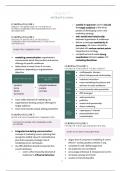
What is diversity?
• Everything that distinguishes people from one another
BUT
• Most attention for dimensions on which differences in outcomes and
discrimination occur.
Diversity dimensions
• Surface-level dissimilarity (relatively visible/ readily detectable)
• Deep-level dissimilarity (relatively invisible/ underlying
,Diversity dimensions
• Galinsky and colleagues:
- Diversity present in groups, communities, and nations
- Diversity acquired through individuals’ personal experience
Diversity in this course
• In terms of VISIBLE characteristics, I am different than most others at UU (yes/no)
• In terms of INVISIBLE characteristics, I am different than most others at UU (yes/no)
Which diversity matters?
Matters for what?
Why organizations work with diversity
1. Moral reasons
• Equal treatment
• Equal opportunity
• Equal outcomes
2. Societal reasons
• Emphasize good societal outcomes
• Focus on consequences of inequality
3. Compliance
4. Synergetic reasons
• Relationship employee and organization
• Personal and business economic growth
• Employee satisfaction
• Harmony among employees
5. Business-economic reasons
• Attract diverse employees
,• Increase service to diverse populations
• Increase well-being, retention of employees
• Improve relations between employees
• Increase creativity and productivity
• Reduce lawsuits/legal challenges
• Enhance reputation
The “business-case” for diversity
Which diversity matters?
Matters for what?
Not self-evident that diversity leads to better performance and innovation.
Social identity theory (Turner et al., 1987)
Similarity-attraction theory (Byrne, 1971)
Information-elaboration processes (o.a. Oldham & Cummings, 1998)
Diversity paradox à Climate for inclusion = key
Climate for inclusion
• Climate for inclusion
• Fair and unbiased treatment of employees
• Open toward and values differences between employees
• Includes all employees in decision making
Consequences of perceived inclusion
, Perceived inclusion
• Perception of employee that the group gives them a sense of
authenticity and belonging.
Antecedents of perceived inclusion
bij de - (inclusive climate)
Conclusion
• Climate for inclusion buffers negative effects of feelings of
dissimilarity on perceived inclusion.
• Deep-level dissimilarity was more important than surface-level
dissimilarity for social inclusion at work (but not always found)
• Climate for inclusion not only benefits inclusion of “dissimilar”
people, but also “similar” people
• Recent studies on gender-inclusive bathrooms in organizations à signal of
“egalitarian social environment
Mechanisms of inclusion
• Social categorization and intergroup bias
• Similarity-attraction (e.g., subgroup formation)
• Minority stress and related processes (e.g., monitoring environment
for cues of belonging
The Many Faces of Diversity
Our aim
Understand not only the obstacles organizations face but also the levers they can pull to
foster meaningful, sustainable chang
• Theory and research regarding the benefits and challenges of building
diverse and inclusive organizations.
• Multidisciplinary approach to gain a multi-level understanding of how
to promote diversity and inclusion (D&I) at the:
• Institutional level
• Symbolic level
• Experiential level
Multi-level, interdisciplinary approach
• Symbolical
• How are different social groups and their societal roles represented in the
linguistic, narrative and visual structures that shape the organization?
• Institutional
• What are effective responses to inequality and exclusion at work on the
institutional level?
• Experiential
• How do members of different social groups experience the many forms of
inequality in the workplace? And how do they experience institutional
measures aimed at correcting these inequalities
Multi-level, interdisciplinary approach
What is diversity?
• Everything that distinguishes people from one another
BUT
• Most attention for dimensions on which differences in outcomes and
discrimination occur.
Diversity dimensions
• Surface-level dissimilarity (relatively visible/ readily detectable)
• Deep-level dissimilarity (relatively invisible/ underlying
,Diversity dimensions
• Galinsky and colleagues:
- Diversity present in groups, communities, and nations
- Diversity acquired through individuals’ personal experience
Diversity in this course
• In terms of VISIBLE characteristics, I am different than most others at UU (yes/no)
• In terms of INVISIBLE characteristics, I am different than most others at UU (yes/no)
Which diversity matters?
Matters for what?
Why organizations work with diversity
1. Moral reasons
• Equal treatment
• Equal opportunity
• Equal outcomes
2. Societal reasons
• Emphasize good societal outcomes
• Focus on consequences of inequality
3. Compliance
4. Synergetic reasons
• Relationship employee and organization
• Personal and business economic growth
• Employee satisfaction
• Harmony among employees
5. Business-economic reasons
• Attract diverse employees
,• Increase service to diverse populations
• Increase well-being, retention of employees
• Improve relations between employees
• Increase creativity and productivity
• Reduce lawsuits/legal challenges
• Enhance reputation
The “business-case” for diversity
Which diversity matters?
Matters for what?
Not self-evident that diversity leads to better performance and innovation.
Social identity theory (Turner et al., 1987)
Similarity-attraction theory (Byrne, 1971)
Information-elaboration processes (o.a. Oldham & Cummings, 1998)
Diversity paradox à Climate for inclusion = key
Climate for inclusion
• Climate for inclusion
• Fair and unbiased treatment of employees
• Open toward and values differences between employees
• Includes all employees in decision making
Consequences of perceived inclusion
, Perceived inclusion
• Perception of employee that the group gives them a sense of
authenticity and belonging.
Antecedents of perceived inclusion
bij de - (inclusive climate)
Conclusion
• Climate for inclusion buffers negative effects of feelings of
dissimilarity on perceived inclusion.
• Deep-level dissimilarity was more important than surface-level
dissimilarity for social inclusion at work (but not always found)
• Climate for inclusion not only benefits inclusion of “dissimilar”
people, but also “similar” people
• Recent studies on gender-inclusive bathrooms in organizations à signal of
“egalitarian social environment
Mechanisms of inclusion
• Social categorization and intergroup bias
• Similarity-attraction (e.g., subgroup formation)
• Minority stress and related processes (e.g., monitoring environment
for cues of belonging