1
Organisations, Media and Society (77641SP06Y)
part 2
LM6. The communicative construction of risk and crisis............................................................2
Lecture 6 slides. The communicative construction of risk and crisis.......................................2
Situational Theory of Crisis: Situational Crisis Communication Theory and Corporate
Reputation (Coombs, 2013).................................................................................................... 5
How Audiences Seek Out Crisis Information: Exploring the Social-Mediated Crisis
Communication Model (Austin et al., 2012)............................................................................ 8
Revisiting Social-Mediated Crisis Communication Model: The Lancôme Regenerative Crisis
After the Hong Kong Umbrella Movement (Mak & Ao, 2019).................................................10
Connecting points between (Coombs, 2013), (Austin et al., 2012) and (Mak & Ao, 2019)....11
Final reflections the communicative construction of risk and crisis......................................12
LM7. Politization & CSR............................................................................................................. 12
Lecture 7 slides. Politization & CSR....................................................................................... 12
Exploring corporations’ dialogue about CSR in the digital era (Illia et al., 2017)..................14
To support or to boycott: A public segmentation model in corporate social advocacy (Hong &
Li, 2020)................................................................................................................................ 16
The moral foundations of responsible business: Using computational text analysis to explore
the salience of morality in CSR communication (Eisele et al., 2024)....................................18
Connecting points between (Illia et al., 2017), (Hong & Li, 2020) and (Eisele et al., 2024). .20
Final reflections politization & CSR........................................................................................ 20
LM8. Biases and misinformation............................................................................................... 21
Lecture 8 slides. Biases and misinformation.........................................................................21
Loopholes in the Echo Chambers: How the Echo Chamber Metaphor Oversimplifies the
Effects of Information Gateways on Opinion Expression (Geib et al., 2021).........................26
Degrees of deception: the effects of different types of COVID-19 misinformation and the
effectiveness of corrective information in crisis times (Hameleers et al., 2023)...................28
Connecting points between (Amazeen, 2023), (Geib et al., 2021) and (Hameleers et al.,
2023)..................................................................................................................................... 29
Final reflections biases and misinformation..........................................................................30
LM9. Al, organisations and society........................................................................................... 30
Lecture 9 slides. AI, organisations and society......................................................................30
From Greenwashing to Machinewashing: A Model and Future Directions Derived from
Reasoning by Analogy (Seele and Schultz, 2022).................................................................32
“Rogue machines” and crisis communication: When AI fails, how do companies publicly
respond? (Prahl & Goh, 2021)............................................................................................... 35
ChatGPT, AI Advertising, and Advertising Research and Education (Huh et al., 2023)..........36
Connecting points between (Seele & Schultz, 2022), (Prahl & Goh, 2021) and (Huh et al.,
2023)..................................................................................................................................... 37
Final reflections AI, organisations and society......................................................................37
LM10. A critical perspective..................................................................................................... 38
, 2
Lecture 10 slides. A critical perspective................................................................................38
The Other Side of Mediatization: Expanding the Concept to Defensive Strategies (Nölleke et
al., 2021)............................................................................................................................... 40
How are frames generated? Insights from the industry lobby against the sugar tax in Ireland
(Campbell et al., 2020).......................................................................................................... 42
Stepping on Toes? Role Dynamics between Journalists and Lobbyists Regarding Big Tech’s
Accountability Agenda (Schwinges et al., 2024)...................................................................44
Organised lying and professional legitimacy: Public relations’ accountability in the
disinformation debate (Edwards, 2021)................................................................................45
Connecting points between (Nölleke et al., 2021), (Campbell et al., 2020), (Schwinges et al.,
2024) and (Edwards, 2021)................................................................................................... 46
Final reflections a critical perspective...................................................................................46
LM11. Reflective communication.............................................................................................. 46
Lecture 11 slides. Reflective communication........................................................................46
Society’s Megatrends and Business Legitimacy: Transformations of the Legitimizing
Business Paradigm (Holmström, 2020).................................................................................48
Organizational listening: Addressing a major gap in public relations theory and practice
(Macnamara, 2016)............................................................................................................... 52
Connecting points between (Holmström, 2020) and (Macnamara, 2016).............................54
Final reflections reflective communication............................................................................55
Golden ideas............................................................................................................................ 55
Overall connections between the articles.................................................................................58
Original connections between the articles................................................................................ 61
Real world examples................................................................................................................ 63
The communicative construction of risk and crisis................................................................63
List of corporate crises.......................................................................................................... 65
Politization & CSR.................................................................................................................. 66
List of corporations CSR/CSA................................................................................................. 68
Biases and misinformation.................................................................................................... 70
AI, organisations and society................................................................................................. 73
List of AI crises...................................................................................................................... 75
A critical perspective lecture questions.................................................................................76
A critical perspective examples............................................................................................. 78
Reflective communication..................................................................................................... 80
LM6. The communicative construction of risk and crisis
Lecture 6 slides. The communicative construction of risk and crisis
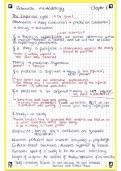
1. Situational Crisis Communication Theory (SCCT) (Coombs, 2013)
Defining a crisis
A crisis is an event that significantly disrupts the routine operations of an organization and poses
potential threats such as reputational damage, financial loss, or public safety risks. Crises are socially
, 3
constructed through communication, as various actors interpret and label a situation as a crisis
(Ingenhoff, 2016; Fearn-Banks, 2022).
Levels and Types of Crises
Macro-level: Broad societal issues (e.g., economic downturns, political scandals)
Organizational level: Internal or external threats to companies (e.g., fraud, product recalls)
Micro-level: Personal or individual crises (e.g., legal prosecution, personal controversies)
Crisis Typologies and Reputational Risk
Victim Crises: External causes beyond the organization's control (e.g., natural disasters, false
rumors)
→ Low responsibility, minimal reputational damage
Accidental Crises: Unintentional and often technical errors (e.g., system malfunctions)
→ Moderate responsibility, manageable damage
Intentional Crises: Deliberate or negligent actions (e.g., corruption, ethical violations)
→ High responsibility, severe reputational consequences
Crisis Communication Strategies
Denial Strategies: Refuting the existence or responsibility of the crisis (e.g., attacking the
accuser, scapegoating)
Diminish Strategies: Downplaying the severity or the organization’s role (e.g., excuses,
justifications)
Rebuild Strategies: Restoring reputation through accountability (e.g., apologies,
compensations)
Bolstering Strategies (Supplementary):
o Reminder: Highlight past good performance
o Ingratiation: Thank stakeholders
o Victimage: Claim to be a victim of the crisis
Strategic Matching of Response to Crisis Type
Victim crises: Denial or diminish strategies
Accidental crises: Diminish (if mild); Rebuild (if intensifying factors exist)
Intentional crises: Rebuild strategies are imperative
Intensifying Factors
Crisis history: Repeated incidents increase scrutiny
Performance history:
o Halo effect: Positive legacy cushions the impact
o Velcro effect: Past negative perceptions intensify new crises
Timing and Ethical Communication: Stealing Thunder
Stealing thunder as a crisis communication strategy involves revealing negative, potentially damaging
information by an organization before it is revealed by a third party, such as media.
Definition: Disclosing the crisis internally before it becomes public
Benefits:
o Diminishes crisis severity and public backlash
, 4
o Enhances organizational transparency and credibility
o Allows narrative control and framing of the situation
Ethical Justification: Promotes honesty and builds long-term trust with stakeholders (Beldad et
al., 2018)
2. Seeking Crisis Information (Austin et al., 2012)
Crises as Threats (Coombs, 2007)
Threats typically fall under:
o Public safety
o Financial impact
o Reputational damage
Amplification through Social Media
Social media allows rapid, viral dissemination of crisis narratives
Users can shape, distort, or amplify information, often challenging organizational control over
messaging
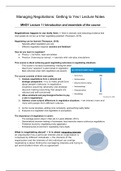
Social-Mediated Crisis Communication Model (SMCC)
Describes how crisis information is created, shared, and consumed across platforms:
Three Public Segments
1. Influential Social Media Creators: Initiate or escalate crisis dialogue
2. Social Media Followers: React, share, and emotionally process crisis content
3. Social Media Inactives: Learn about the crisis through indirect channels (e.g., word-of-mouth,
mainstream media)
Information Flow Dynamics
Direct flow: From creators to followers
Indirect flow: From followers to inactives or via traditional media outlets
Why People Seek Crisis Information (RQ1)
To make sense of what happened and why
To hold organizations accountable
Social media: Preferred for immediacy, emotional support, peer discussion
Traditional media: Sought for accuracy, detailed analysis, and credibility
Factors Influencing Media Preference (RQ2)
Shared across platforms: Convenience, involvement, social validation, information overload
Specific to social media: Entertainment, humor, user-generated relevance
Specific to traditional media: Perceived objectivity and credibility
3. Regenerative Crises (Mak & Ao, 2019)
Definition and Features
Regenerative crises are crises that evolve through multiple stages due to shifts in public
perception, media framing, or new trigger events
Organisations, Media and Society (77641SP06Y)
part 2
LM6. The communicative construction of risk and crisis............................................................2
Lecture 6 slides. The communicative construction of risk and crisis.......................................2
Situational Theory of Crisis: Situational Crisis Communication Theory and Corporate
Reputation (Coombs, 2013).................................................................................................... 5
How Audiences Seek Out Crisis Information: Exploring the Social-Mediated Crisis
Communication Model (Austin et al., 2012)............................................................................ 8
Revisiting Social-Mediated Crisis Communication Model: The Lancôme Regenerative Crisis
After the Hong Kong Umbrella Movement (Mak & Ao, 2019).................................................10
Connecting points between (Coombs, 2013), (Austin et al., 2012) and (Mak & Ao, 2019)....11
Final reflections the communicative construction of risk and crisis......................................12
LM7. Politization & CSR............................................................................................................. 12
Lecture 7 slides. Politization & CSR....................................................................................... 12
Exploring corporations’ dialogue about CSR in the digital era (Illia et al., 2017)..................14
To support or to boycott: A public segmentation model in corporate social advocacy (Hong &
Li, 2020)................................................................................................................................ 16
The moral foundations of responsible business: Using computational text analysis to explore
the salience of morality in CSR communication (Eisele et al., 2024)....................................18
Connecting points between (Illia et al., 2017), (Hong & Li, 2020) and (Eisele et al., 2024). .20
Final reflections politization & CSR........................................................................................ 20
LM8. Biases and misinformation............................................................................................... 21
Lecture 8 slides. Biases and misinformation.........................................................................21
Loopholes in the Echo Chambers: How the Echo Chamber Metaphor Oversimplifies the
Effects of Information Gateways on Opinion Expression (Geib et al., 2021).........................26
Degrees of deception: the effects of different types of COVID-19 misinformation and the
effectiveness of corrective information in crisis times (Hameleers et al., 2023)...................28
Connecting points between (Amazeen, 2023), (Geib et al., 2021) and (Hameleers et al.,
2023)..................................................................................................................................... 29
Final reflections biases and misinformation..........................................................................30
LM9. Al, organisations and society........................................................................................... 30
Lecture 9 slides. AI, organisations and society......................................................................30
From Greenwashing to Machinewashing: A Model and Future Directions Derived from
Reasoning by Analogy (Seele and Schultz, 2022).................................................................32
“Rogue machines” and crisis communication: When AI fails, how do companies publicly
respond? (Prahl & Goh, 2021)............................................................................................... 35
ChatGPT, AI Advertising, and Advertising Research and Education (Huh et al., 2023)..........36
Connecting points between (Seele & Schultz, 2022), (Prahl & Goh, 2021) and (Huh et al.,
2023)..................................................................................................................................... 37
Final reflections AI, organisations and society......................................................................37
LM10. A critical perspective..................................................................................................... 38
, 2
Lecture 10 slides. A critical perspective................................................................................38
The Other Side of Mediatization: Expanding the Concept to Defensive Strategies (Nölleke et
al., 2021)............................................................................................................................... 40
How are frames generated? Insights from the industry lobby against the sugar tax in Ireland
(Campbell et al., 2020).......................................................................................................... 42
Stepping on Toes? Role Dynamics between Journalists and Lobbyists Regarding Big Tech’s
Accountability Agenda (Schwinges et al., 2024)...................................................................44
Organised lying and professional legitimacy: Public relations’ accountability in the
disinformation debate (Edwards, 2021)................................................................................45
Connecting points between (Nölleke et al., 2021), (Campbell et al., 2020), (Schwinges et al.,
2024) and (Edwards, 2021)................................................................................................... 46
Final reflections a critical perspective...................................................................................46
LM11. Reflective communication.............................................................................................. 46
Lecture 11 slides. Reflective communication........................................................................46
Society’s Megatrends and Business Legitimacy: Transformations of the Legitimizing
Business Paradigm (Holmström, 2020).................................................................................48
Organizational listening: Addressing a major gap in public relations theory and practice
(Macnamara, 2016)............................................................................................................... 52
Connecting points between (Holmström, 2020) and (Macnamara, 2016).............................54
Final reflections reflective communication............................................................................55
Golden ideas............................................................................................................................ 55
Overall connections between the articles.................................................................................58
Original connections between the articles................................................................................ 61
Real world examples................................................................................................................ 63
The communicative construction of risk and crisis................................................................63
List of corporate crises.......................................................................................................... 65
Politization & CSR.................................................................................................................. 66
List of corporations CSR/CSA................................................................................................. 68
Biases and misinformation.................................................................................................... 70
AI, organisations and society................................................................................................. 73
List of AI crises...................................................................................................................... 75
A critical perspective lecture questions.................................................................................76
A critical perspective examples............................................................................................. 78
Reflective communication..................................................................................................... 80
LM6. The communicative construction of risk and crisis
Lecture 6 slides. The communicative construction of risk and crisis
1. Situational Crisis Communication Theory (SCCT) (Coombs, 2013)
Defining a crisis
A crisis is an event that significantly disrupts the routine operations of an organization and poses
potential threats such as reputational damage, financial loss, or public safety risks. Crises are socially
, 3
constructed through communication, as various actors interpret and label a situation as a crisis
(Ingenhoff, 2016; Fearn-Banks, 2022).
Levels and Types of Crises
Macro-level: Broad societal issues (e.g., economic downturns, political scandals)
Organizational level: Internal or external threats to companies (e.g., fraud, product recalls)
Micro-level: Personal or individual crises (e.g., legal prosecution, personal controversies)
Crisis Typologies and Reputational Risk
Victim Crises: External causes beyond the organization's control (e.g., natural disasters, false
rumors)
→ Low responsibility, minimal reputational damage
Accidental Crises: Unintentional and often technical errors (e.g., system malfunctions)
→ Moderate responsibility, manageable damage
Intentional Crises: Deliberate or negligent actions (e.g., corruption, ethical violations)
→ High responsibility, severe reputational consequences
Crisis Communication Strategies
Denial Strategies: Refuting the existence or responsibility of the crisis (e.g., attacking the
accuser, scapegoating)
Diminish Strategies: Downplaying the severity or the organization’s role (e.g., excuses,
justifications)
Rebuild Strategies: Restoring reputation through accountability (e.g., apologies,
compensations)
Bolstering Strategies (Supplementary):
o Reminder: Highlight past good performance
o Ingratiation: Thank stakeholders
o Victimage: Claim to be a victim of the crisis
Strategic Matching of Response to Crisis Type
Victim crises: Denial or diminish strategies
Accidental crises: Diminish (if mild); Rebuild (if intensifying factors exist)
Intentional crises: Rebuild strategies are imperative
Intensifying Factors
Crisis history: Repeated incidents increase scrutiny
Performance history:
o Halo effect: Positive legacy cushions the impact
o Velcro effect: Past negative perceptions intensify new crises
Timing and Ethical Communication: Stealing Thunder
Stealing thunder as a crisis communication strategy involves revealing negative, potentially damaging
information by an organization before it is revealed by a third party, such as media.
Definition: Disclosing the crisis internally before it becomes public
Benefits:
o Diminishes crisis severity and public backlash
, 4
o Enhances organizational transparency and credibility
o Allows narrative control and framing of the situation
Ethical Justification: Promotes honesty and builds long-term trust with stakeholders (Beldad et
al., 2018)
2. Seeking Crisis Information (Austin et al., 2012)
Crises as Threats (Coombs, 2007)
Threats typically fall under:
o Public safety
o Financial impact
o Reputational damage
Amplification through Social Media
Social media allows rapid, viral dissemination of crisis narratives
Users can shape, distort, or amplify information, often challenging organizational control over
messaging
Social-Mediated Crisis Communication Model (SMCC)
Describes how crisis information is created, shared, and consumed across platforms:
Three Public Segments
1. Influential Social Media Creators: Initiate or escalate crisis dialogue
2. Social Media Followers: React, share, and emotionally process crisis content
3. Social Media Inactives: Learn about the crisis through indirect channels (e.g., word-of-mouth,
mainstream media)
Information Flow Dynamics
Direct flow: From creators to followers
Indirect flow: From followers to inactives or via traditional media outlets
Why People Seek Crisis Information (RQ1)
To make sense of what happened and why
To hold organizations accountable
Social media: Preferred for immediacy, emotional support, peer discussion
Traditional media: Sought for accuracy, detailed analysis, and credibility
Factors Influencing Media Preference (RQ2)
Shared across platforms: Convenience, involvement, social validation, information overload
Specific to social media: Entertainment, humor, user-generated relevance
Specific to traditional media: Perceived objectivity and credibility
3. Regenerative Crises (Mak & Ao, 2019)
Definition and Features
Regenerative crises are crises that evolve through multiple stages due to shifts in public
perception, media framing, or new trigger events