TAMING OF THE SHREW- REVISION PACK
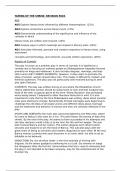
AOS
AO5 Explore literary texts informed by different interpretations. (12%)
AO4 Explore connections across literary texts. (12%)
AO3 Demonstrate understanding of the significance and influence of the
contexts in which
literary texts are written and received. (24%)
AO2 Analyse ways in which meanings are shaped in literary texts. (24%)
AO1 Articulate informed, personal and creative responses to literary texts, using
associated
concepts and terminology, and coherent, accurate written expression. (28%)
Aspects of Comedy
The play is known as a problem play in terms of comedy. It is labelled as a
comedy due to focusing on ordinary people as Shakespearean tragedies focused
primarily on kings and noblemen. It also includes disguise, marriage, and slap-
stick humor (KEY COMEDY ELEMENTS). However, it does seem to promote the
ideas of sexism- women should obey men. This makes it difficult for modern and
feminist audiences. The play was not particularly well received during its time
also (John Fletcher).
(CONTEXT) The play was written during an era where the Elizabethan church
clearly stated that women should be subservient to men and that husband was
head of the wife. A popular genre at the time ‘Shrew literature’ also portrayed
wives being tamed. Compared to other literature Petruchio is mild. It is also
important to note that by the time Shakespeare was writing, ideas about societal
roles were starting to change. Romantically formed marriages were beginning to
challenge the old ideas of arranged unions and different ideas about marriage
and the treatment and behavior of women and men are certainly reflected in the
play.
(PLOTS AND SUBPLOTS) the main plot surrounds Katherina and Petruchio, where
he came to Padua in the want for a rich. This plot follows the taming of Kate (the
shrew). By the end of the play, he seems to have succeeded in his attempts and
she later declares a wife’s duty is to her lord, her life and her keeper. The sub-
plot involves Bianca and her suitors. The suitors disguise each other/ tutors/
servants and masters to win the hand of Bianca. This sub-plot plays with the
great chain of being as servants and masters disguised as each other. IN the end,
Bianca marries Lucentio who soon discovers in an ironic twist- his wife is not as
biddable as he believed.
(INDUCTION) Sly- the drunken tinker- is the first example of tricking with
disguise. As the others gaslight to believing he is a Lord. Sly remains on stage
but disappears after the first Act. Some believe that Sly is used to showcase that
the play is not intended to be taken seriously- only for the entertainment of the
drunken Sly.
, Many comedic aspects appear such as, importance of identity, the concept
of practicing and the joy and cruelty of game playing.
(DISGUISE, INTRIGUE AND MISTAKEN IDENTITY) Characters disguise themselves
in doing so disrupting the social order. The use of this displays wicked
playfulness. As a theatrical device it is used by Shakespeare in the play’s plotting
and comedy. There is also figurative disguise such as Bianca not being as
obedient as she seems and Kate not being a shrew by overcoming her treatment
by society.
(FARCE AND SLAP-STICK) Slap- stick is a type of comedy characterized by
absurdity, physical cruelty, ridiculous situations, confusion, and sexual
innuendos. Unlike other later Shakespearean comedies Taming of the Shrew
contains slapstick characteristics. (Servants bashed/ Musical instruments broken
over heads/ Petruchio’s wedding outfit). The physical taming of Kate can be
slapstick as well.
(ILLUSION, THEATRICALITY AND GAME-PLAYING) The use of the induction draws
attention to the play’s artifice. Used to remind the audience to not take it too
seriously. This is a key aspect of dramatic comedy; reminding us it is just a play.
There are many references to game playing; Petruchio talks of taming Kate
through using the extended metaphor of falconry). The use of game playing
could also argue Kate’s monologue could be purely performance.
(MARRIAGE AND RESOLUTION) In Shakespearean comedies marriage is used as
comedic closure. The play ends with three marriages. All creating a new balance
(the taming).
William Shakespeare- (1564-1616)
The most influential writer in all of English literature, William Shakespeare was
born in 1564 to a successful middle-class glove-maker in Stratford-upon-Avon,
England. Shakespeare attended grammar school, but his formal education
proceeded no further. In 1582 he married an older woman, Anne Hathaway, and
had three children with her. Around 1590 he left his family behind and traveled to
London to work as an actor and playwright. Public and critical acclaim quickly
followed, and Shakespeare eventually became the most popular playwright in
England and part-owner of the Globe Theater. His career bridged the reigns of
Elizabeth I (ruled 1558–1603) and James I (ruled 1603–1625), and he was a
favorite of both monarchs. Indeed, James granted Shakespeare’s company the
greatest possible compliment by bestowing upon its members the title of King’s
Men. Wealthy and renowned, Shakespeare retired to Stratford and died in 1616
at the age of fifty-two. At the time of Shakespeare’s death, literary luminaries
such as Ben Jonson hailed his works as timeless.
Shakespeare’s works were collected and printed in various editions in the
century following his death, and by the early eighteenth century his reputation
as the greatest poet ever to write in English was well established. The
unprecedented admiration garnered by his works led to a fierce curiosity about
Shakespeare’s life, but the dearth of biographical information has left many
details of Shakespeare’s personal history shrouded in mystery. Some people
have concluded from this fact and from Shakespeare’s modest education that
Shakespeare’s plays were actually written by someone else–Francis Bacon and
AOS
AO5 Explore literary texts informed by different interpretations. (12%)
AO4 Explore connections across literary texts. (12%)
AO3 Demonstrate understanding of the significance and influence of the
contexts in which
literary texts are written and received. (24%)
AO2 Analyse ways in which meanings are shaped in literary texts. (24%)
AO1 Articulate informed, personal and creative responses to literary texts, using
associated
concepts and terminology, and coherent, accurate written expression. (28%)
Aspects of Comedy
The play is known as a problem play in terms of comedy. It is labelled as a
comedy due to focusing on ordinary people as Shakespearean tragedies focused
primarily on kings and noblemen. It also includes disguise, marriage, and slap-
stick humor (KEY COMEDY ELEMENTS). However, it does seem to promote the
ideas of sexism- women should obey men. This makes it difficult for modern and
feminist audiences. The play was not particularly well received during its time
also (John Fletcher).
(CONTEXT) The play was written during an era where the Elizabethan church
clearly stated that women should be subservient to men and that husband was
head of the wife. A popular genre at the time ‘Shrew literature’ also portrayed
wives being tamed. Compared to other literature Petruchio is mild. It is also
important to note that by the time Shakespeare was writing, ideas about societal
roles were starting to change. Romantically formed marriages were beginning to
challenge the old ideas of arranged unions and different ideas about marriage
and the treatment and behavior of women and men are certainly reflected in the
play.
(PLOTS AND SUBPLOTS) the main plot surrounds Katherina and Petruchio, where
he came to Padua in the want for a rich. This plot follows the taming of Kate (the
shrew). By the end of the play, he seems to have succeeded in his attempts and
she later declares a wife’s duty is to her lord, her life and her keeper. The sub-
plot involves Bianca and her suitors. The suitors disguise each other/ tutors/
servants and masters to win the hand of Bianca. This sub-plot plays with the
great chain of being as servants and masters disguised as each other. IN the end,
Bianca marries Lucentio who soon discovers in an ironic twist- his wife is not as
biddable as he believed.
(INDUCTION) Sly- the drunken tinker- is the first example of tricking with
disguise. As the others gaslight to believing he is a Lord. Sly remains on stage
but disappears after the first Act. Some believe that Sly is used to showcase that
the play is not intended to be taken seriously- only for the entertainment of the
drunken Sly.
, Many comedic aspects appear such as, importance of identity, the concept
of practicing and the joy and cruelty of game playing.
(DISGUISE, INTRIGUE AND MISTAKEN IDENTITY) Characters disguise themselves
in doing so disrupting the social order. The use of this displays wicked
playfulness. As a theatrical device it is used by Shakespeare in the play’s plotting
and comedy. There is also figurative disguise such as Bianca not being as
obedient as she seems and Kate not being a shrew by overcoming her treatment
by society.
(FARCE AND SLAP-STICK) Slap- stick is a type of comedy characterized by
absurdity, physical cruelty, ridiculous situations, confusion, and sexual
innuendos. Unlike other later Shakespearean comedies Taming of the Shrew
contains slapstick characteristics. (Servants bashed/ Musical instruments broken
over heads/ Petruchio’s wedding outfit). The physical taming of Kate can be
slapstick as well.
(ILLUSION, THEATRICALITY AND GAME-PLAYING) The use of the induction draws
attention to the play’s artifice. Used to remind the audience to not take it too
seriously. This is a key aspect of dramatic comedy; reminding us it is just a play.
There are many references to game playing; Petruchio talks of taming Kate
through using the extended metaphor of falconry). The use of game playing
could also argue Kate’s monologue could be purely performance.
(MARRIAGE AND RESOLUTION) In Shakespearean comedies marriage is used as
comedic closure. The play ends with three marriages. All creating a new balance
(the taming).
William Shakespeare- (1564-1616)
The most influential writer in all of English literature, William Shakespeare was
born in 1564 to a successful middle-class glove-maker in Stratford-upon-Avon,
England. Shakespeare attended grammar school, but his formal education
proceeded no further. In 1582 he married an older woman, Anne Hathaway, and
had three children with her. Around 1590 he left his family behind and traveled to
London to work as an actor and playwright. Public and critical acclaim quickly
followed, and Shakespeare eventually became the most popular playwright in
England and part-owner of the Globe Theater. His career bridged the reigns of
Elizabeth I (ruled 1558–1603) and James I (ruled 1603–1625), and he was a
favorite of both monarchs. Indeed, James granted Shakespeare’s company the
greatest possible compliment by bestowing upon its members the title of King’s
Men. Wealthy and renowned, Shakespeare retired to Stratford and died in 1616
at the age of fifty-two. At the time of Shakespeare’s death, literary luminaries
such as Ben Jonson hailed his works as timeless.
Shakespeare’s works were collected and printed in various editions in the
century following his death, and by the early eighteenth century his reputation
as the greatest poet ever to write in English was well established. The
unprecedented admiration garnered by his works led to a fierce curiosity about
Shakespeare’s life, but the dearth of biographical information has left many
details of Shakespeare’s personal history shrouded in mystery. Some people
have concluded from this fact and from Shakespeare’s modest education that
Shakespeare’s plays were actually written by someone else–Francis Bacon and