Science Medicine Pediatrics
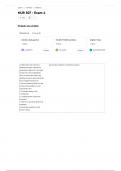
NUR 507 - Exam 4
Save
Students also studied
Flashcard sets Study guides
Genetics study guide 2 NCLEX-PN 3000 Questions Chapter 7 Quiz
42 terms 83 terms 15 terms
qn4dk96y7j Preview nursestudie Preview quizlette29447600
An 18-month-old child who d.prescribe oseltamivir and follow closely
developed upper respiratory
symptoms 1 day prior is brought
to the clinic with a high fever,
chills. muscle pains, and a dry,
hacking cough. A rapid influenza
test is negative and a viral
culture is pending. What will the
primary care pediatric nurse
practitioner do?
a. Consider therapy with
rimantadine,
b. Hospitalize for supportive
treatment.
c. Wait for cultures to determine
treatment.
d..prescribe oseltamivir and
follow closely
,The parent of an infant asks why d. Maternal antibodies neutralize some vaccines and are delayed
some vaccines, such as MMR, until 12
are not given along with the
other series of immunizations at
2, 4. and 6 months of age. What
will the primary care pediatric
nurse practitioner tell this
parent?
a. The risk of adverse effects is
lower for some vaccines after
the first year.
b. Too many vaccines at once
can overwhelm the infant's
immune system.
c. Febrile seizures are more
likely in younger infants with
some vaccines.
d. Maternal antibodies
neutralize some vaccines and
are delayed until 12 months.
A school-age child has fever of d. Prescribe oral amoxicillin.
104°F, sore throat, vomiting and
malaise. The primary care
pediatric nurse practitioner
observes that the tonsils,
oropharynx, and palate are
erythematous and covered with
exudate; the tongue is coated
and red; and there is a red,
sandpaper-like rash on the
child's neck, trunk, and
extremities. A rapid strep test is
positive. What will the nurse
practitioner do to manage this
child's illness?
a. Administer intramuscular
ceftriaxone.
b. Refer to a pediatric infectious
disease specialist.
c. Hospitalize for further
diagnostic tests.
d. Prescribe oral amoxicillin.
,An adolescent has a TB skin test a. Reassure the adolescent that this is a negative screen
prior to working as a volunteer
in a hospital. The adolescent is
healthy and has not travelled to
or from a TB-endemic area or
had close contact with anyone
who has TB. The Mantoux skin
test shows 10 mm of induration
after 48 hours. What will the
primary care pediatric nurse
practitioner do?
a. Reassure the adolescent that
this is a negative screen
b. Ask the adolescent about
exposure to homeless persons
c. Refer the adolescent to an
infectious disease specialist.
d. Order a chest radiograph to
rule out active TB.
A 2-month-old infant will receive c. Administering ibuprofen or acetaminophen as needed
initial immunizations, and the
parent asks about giving
medications to increase the
infant's comfort and minimize
fever. What will the primary care
pediatric nurse practitioner
recommend?
a. Pre-treating the infant with
both ibuprofen and
acetaminophen
b. Giving ibuprofen and
acetaminophen only after the
vaccines
c. Administering ibuprofen or
acetaminophen as needed
d. Avoiding antipyretics if
possible, to attain better
immunity
A child who is b. Hospitalize the child for intravenous acyclovir,
immunocompromised has a
fever and a rash consisting of
macules, papules, and pustules.
What will the primary care
pediatric nurse practitioner do?
a. Administer varicella immune
globulin (VariZIG).
b. Hospitalize the child for
intravenous acyclovir,
c. Order intravenous
immunoglobulin as an
outpatient.
d. Prescribe oral acyelovir for
the duration of the illness.
, When reviewing a white blood c. Lymphocytes
cell (WBC) count. the primary
care pediatric nurse practitioner
suspects a viral infection when
which WBC element is elevated?
a. Bands
b. Neutrophils
c. Lymphocytes
d. Leukocytes
A child whose family has been a. Teach the parents which signs and symptoms to report.
camping in a region with
endemic Lyme disease suffered
several tick bites. The parents
report removing the ticks but
are not able to verify the type or
the length of time the ticks were
attached. The child is
asymptomatic. What is the best
course of action?
a. Teach the parents which signs
and symptoms to report.
b. Administer a prophylactic
single dose of doxycycline.
c. Prescribe amoxicillin three
times daily for 14 to 21 days.
d. Perform serologic testing for
(gG or igM antibodies.
A two month old infant has a B. Immunization History
stacatto cough and fever. which
aspect of the history is most
important in determining the
diagnosis?
A. Day care attendance
B. Immunization history
C. Medication history
D. Past Medical history
According to recent research, B. People with graduate degrees
which populations have higher
rates of immunizations than
others?
A. Asians
B. People with graduate degrees
C. Poor people
D. People who have primary
providers
NUR 507 - Exam 4
Save
Students also studied
Flashcard sets Study guides
Genetics study guide 2 NCLEX-PN 3000 Questions Chapter 7 Quiz
42 terms 83 terms 15 terms
qn4dk96y7j Preview nursestudie Preview quizlette29447600
An 18-month-old child who d.prescribe oseltamivir and follow closely
developed upper respiratory
symptoms 1 day prior is brought
to the clinic with a high fever,
chills. muscle pains, and a dry,
hacking cough. A rapid influenza
test is negative and a viral
culture is pending. What will the
primary care pediatric nurse
practitioner do?
a. Consider therapy with
rimantadine,
b. Hospitalize for supportive
treatment.
c. Wait for cultures to determine
treatment.
d..prescribe oseltamivir and
follow closely
,The parent of an infant asks why d. Maternal antibodies neutralize some vaccines and are delayed
some vaccines, such as MMR, until 12
are not given along with the
other series of immunizations at
2, 4. and 6 months of age. What
will the primary care pediatric
nurse practitioner tell this
parent?
a. The risk of adverse effects is
lower for some vaccines after
the first year.
b. Too many vaccines at once
can overwhelm the infant's
immune system.
c. Febrile seizures are more
likely in younger infants with
some vaccines.
d. Maternal antibodies
neutralize some vaccines and
are delayed until 12 months.
A school-age child has fever of d. Prescribe oral amoxicillin.
104°F, sore throat, vomiting and
malaise. The primary care
pediatric nurse practitioner
observes that the tonsils,
oropharynx, and palate are
erythematous and covered with
exudate; the tongue is coated
and red; and there is a red,
sandpaper-like rash on the
child's neck, trunk, and
extremities. A rapid strep test is
positive. What will the nurse
practitioner do to manage this
child's illness?
a. Administer intramuscular
ceftriaxone.
b. Refer to a pediatric infectious
disease specialist.
c. Hospitalize for further
diagnostic tests.
d. Prescribe oral amoxicillin.
,An adolescent has a TB skin test a. Reassure the adolescent that this is a negative screen
prior to working as a volunteer
in a hospital. The adolescent is
healthy and has not travelled to
or from a TB-endemic area or
had close contact with anyone
who has TB. The Mantoux skin
test shows 10 mm of induration
after 48 hours. What will the
primary care pediatric nurse
practitioner do?
a. Reassure the adolescent that
this is a negative screen
b. Ask the adolescent about
exposure to homeless persons
c. Refer the adolescent to an
infectious disease specialist.
d. Order a chest radiograph to
rule out active TB.
A 2-month-old infant will receive c. Administering ibuprofen or acetaminophen as needed
initial immunizations, and the
parent asks about giving
medications to increase the
infant's comfort and minimize
fever. What will the primary care
pediatric nurse practitioner
recommend?
a. Pre-treating the infant with
both ibuprofen and
acetaminophen
b. Giving ibuprofen and
acetaminophen only after the
vaccines
c. Administering ibuprofen or
acetaminophen as needed
d. Avoiding antipyretics if
possible, to attain better
immunity
A child who is b. Hospitalize the child for intravenous acyclovir,
immunocompromised has a
fever and a rash consisting of
macules, papules, and pustules.
What will the primary care
pediatric nurse practitioner do?
a. Administer varicella immune
globulin (VariZIG).
b. Hospitalize the child for
intravenous acyclovir,
c. Order intravenous
immunoglobulin as an
outpatient.
d. Prescribe oral acyelovir for
the duration of the illness.
, When reviewing a white blood c. Lymphocytes
cell (WBC) count. the primary
care pediatric nurse practitioner
suspects a viral infection when
which WBC element is elevated?
a. Bands
b. Neutrophils
c. Lymphocytes
d. Leukocytes
A child whose family has been a. Teach the parents which signs and symptoms to report.
camping in a region with
endemic Lyme disease suffered
several tick bites. The parents
report removing the ticks but
are not able to verify the type or
the length of time the ticks were
attached. The child is
asymptomatic. What is the best
course of action?
a. Teach the parents which signs
and symptoms to report.
b. Administer a prophylactic
single dose of doxycycline.
c. Prescribe amoxicillin three
times daily for 14 to 21 days.
d. Perform serologic testing for
(gG or igM antibodies.
A two month old infant has a B. Immunization History
stacatto cough and fever. which
aspect of the history is most
important in determining the
diagnosis?
A. Day care attendance
B. Immunization history
C. Medication history
D. Past Medical history
According to recent research, B. People with graduate degrees
which populations have higher
rates of immunizations than
others?
A. Asians
B. People with graduate degrees
C. Poor people
D. People who have primary
providers