THEME 1: WHAT IS MULTICULTURAL EDUCATION
LEARNING UNIT 1
LO1: Define culture, diversity and MCE
CORE DEFINITIONS
• Culture: The way a group of people live, incl. their beliefs, language, customs, and traditions.
• Diversity: Having many different kinds of people or ideas in one place.
• Multicultural Education: Teaching that includes and respects all cultures so everyone feels
included and learns to live together.
THEME 1: WHAT IS MULTICULTURAL EDUCATION
LO2: Describe the features, goals, and dimensions of MCE
FEATURES OF MCE
1. Inclusivity: All learners are respected and valued (regardless of their ethnicity, language, or
cultural heritage).
2. Equality and Social Justice: Challenges inequality and discrimination to create a system where
learners, regardless of their background, have an equal opportunity to succeed.
3. Curriculum Transformation: Changing the curriculum so that it includes and values all cultures.
4. Critical Pedagogy: Encourages questioning of injustice and stereotypes.
5. Cultural Awareness & Respect: Promotes empathy and appreciation for different cultures.
GOALS OF MCE
1. Promote equity and fairness in education.
2. Foster social cohesion and mutual respect.
3. Develop learners' cultural competence.
4. Encourage critical thinking and social responsibility.
5. Enhance intercultural communication skills.
DIMENSIONS OF MCE
1. Curricular: Inclusive and culturally relevant content.
2. Pedagogical: Teaching methods that help different types of learners.
3. Social: Classroom environment that promotes respect and belonging.
4. Political: Addresses power imbalances and systemic injustice.
5. Emotional: Supports empathy and emotional growth.
THEME 1: WHAT IS MULTICULTURAL EDUCATION
LO3: Debate the different topologies by different specialists in MCE.
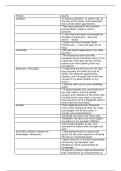
TYPOLOGIES IN MCE
= a way of grouping things based on similar characteristics.
James Banks:
A model that shows four ways teachers can include cultural diversity in the classroom.
• Contributions Approach: Adds cultural elements (holidays, figures) without challenging norms.
• Ethnic Additive Approach: Adds content from other cultures to existing curriculum.
• Transformative Approach: Restructures curriculum to include various viewpoints.
• Social Action Approach: Encourages learners to take action on social issues.
, Debate: Underestimates the complexities of the deeper social and political dimensions of multicultural
education. The Contributions and Additive approaches often don’t challenge real inequalities, while
the Transformative and Social Action approaches are stronger but difficult to apply in schools that resist
big changes.
Christine Sleeter & Carl Grant:
• Cultural Diversity: Celebrates cultural differences in a surface-level way (like festivals and
multicultural days).
• Human Relations: Getting along with others by respecting different cultures.
• Single Group Studies: Teach about one cultural group in detail but doesn’t show how it
connects to bigger social issues.
• Social Action: Encourages learners to take action on social issues.
Debate: Some people say multicultural education doesn't fully deal with deep issues like race, class,
and gender. They also think the levels seem too strict, and the Social Action level, which is difficult to
carry out if teachers don’t have enough resources or support from their schools.
Sonia Nieto:
• Monocultural: Dominant culture only.
• Tolerance: Basic acceptance of differences.
• Acceptance: Understanding and valuing differences.
• Respect, Affirmation, Solidarity: not only accept but actively support diversity.
• Critique: Challenges power and injustice.
Marcos Troy are rude and salty cuh
Debate: helps teachers move from simply noticing cultural differences to actively supporting fairness
and justice in the classroom. It encourages teachers to include all cultures, value diversity, and stand up
against unfair treatment. However, the model can be difficult to apply in real schools. Some teachers
may not have enough time, training, or resources to go through all the levels, especially the final one that
challenges power and injustice. Also, not everyone is comfortable talking about sensitive issues like
racism or inequality.
Angelina Castagno:
Educating for…
• Assimilation: Learners conform to dominant culture.
• Amalgamation: Blending cultures into a common identity, allowing some diversity.
• Pluralism: Celebrating & respecting diversity without expecting people to change who they are.
• Cross-Cultural Competence: Skills for effective intercultural interaction.
• Critical Awareness: See and understand unfairness in society.
• Social Action: Active resistance to injustice.
Debate: Castagno’s framework moves from assimilation to social action, offering a clear path from
understanding diversity to challenging inequalities. However, the more radical stages, like social action,
can be difficult to implement due to resource limitations or resistance from institutions.
THEME 1: WHAT IS MULTICULTURAL EDUCATION
LO4: Differentiate between the different approaches to diversity.
LEARNING UNIT 1
LO1: Define culture, diversity and MCE
CORE DEFINITIONS
• Culture: The way a group of people live, incl. their beliefs, language, customs, and traditions.
• Diversity: Having many different kinds of people or ideas in one place.
• Multicultural Education: Teaching that includes and respects all cultures so everyone feels
included and learns to live together.
THEME 1: WHAT IS MULTICULTURAL EDUCATION
LO2: Describe the features, goals, and dimensions of MCE
FEATURES OF MCE
1. Inclusivity: All learners are respected and valued (regardless of their ethnicity, language, or
cultural heritage).
2. Equality and Social Justice: Challenges inequality and discrimination to create a system where
learners, regardless of their background, have an equal opportunity to succeed.
3. Curriculum Transformation: Changing the curriculum so that it includes and values all cultures.
4. Critical Pedagogy: Encourages questioning of injustice and stereotypes.
5. Cultural Awareness & Respect: Promotes empathy and appreciation for different cultures.
GOALS OF MCE
1. Promote equity and fairness in education.
2. Foster social cohesion and mutual respect.
3. Develop learners' cultural competence.
4. Encourage critical thinking and social responsibility.
5. Enhance intercultural communication skills.
DIMENSIONS OF MCE
1. Curricular: Inclusive and culturally relevant content.
2. Pedagogical: Teaching methods that help different types of learners.
3. Social: Classroom environment that promotes respect and belonging.
4. Political: Addresses power imbalances and systemic injustice.
5. Emotional: Supports empathy and emotional growth.
THEME 1: WHAT IS MULTICULTURAL EDUCATION
LO3: Debate the different topologies by different specialists in MCE.
TYPOLOGIES IN MCE
= a way of grouping things based on similar characteristics.
James Banks:
A model that shows four ways teachers can include cultural diversity in the classroom.
• Contributions Approach: Adds cultural elements (holidays, figures) without challenging norms.
• Ethnic Additive Approach: Adds content from other cultures to existing curriculum.
• Transformative Approach: Restructures curriculum to include various viewpoints.
• Social Action Approach: Encourages learners to take action on social issues.
, Debate: Underestimates the complexities of the deeper social and political dimensions of multicultural
education. The Contributions and Additive approaches often don’t challenge real inequalities, while
the Transformative and Social Action approaches are stronger but difficult to apply in schools that resist
big changes.
Christine Sleeter & Carl Grant:
• Cultural Diversity: Celebrates cultural differences in a surface-level way (like festivals and
multicultural days).
• Human Relations: Getting along with others by respecting different cultures.
• Single Group Studies: Teach about one cultural group in detail but doesn’t show how it
connects to bigger social issues.
• Social Action: Encourages learners to take action on social issues.
Debate: Some people say multicultural education doesn't fully deal with deep issues like race, class,
and gender. They also think the levels seem too strict, and the Social Action level, which is difficult to
carry out if teachers don’t have enough resources or support from their schools.
Sonia Nieto:
• Monocultural: Dominant culture only.
• Tolerance: Basic acceptance of differences.
• Acceptance: Understanding and valuing differences.
• Respect, Affirmation, Solidarity: not only accept but actively support diversity.
• Critique: Challenges power and injustice.
Marcos Troy are rude and salty cuh
Debate: helps teachers move from simply noticing cultural differences to actively supporting fairness
and justice in the classroom. It encourages teachers to include all cultures, value diversity, and stand up
against unfair treatment. However, the model can be difficult to apply in real schools. Some teachers
may not have enough time, training, or resources to go through all the levels, especially the final one that
challenges power and injustice. Also, not everyone is comfortable talking about sensitive issues like
racism or inequality.
Angelina Castagno:
Educating for…
• Assimilation: Learners conform to dominant culture.
• Amalgamation: Blending cultures into a common identity, allowing some diversity.
• Pluralism: Celebrating & respecting diversity without expecting people to change who they are.
• Cross-Cultural Competence: Skills for effective intercultural interaction.
• Critical Awareness: See and understand unfairness in society.
• Social Action: Active resistance to injustice.
Debate: Castagno’s framework moves from assimilation to social action, offering a clear path from
understanding diversity to challenging inequalities. However, the more radical stages, like social action,
can be difficult to implement due to resource limitations or resistance from institutions.
THEME 1: WHAT IS MULTICULTURAL EDUCATION
LO4: Differentiate between the different approaches to diversity.