,PEN2601 Assignment 2 (COMPLETE ANSWERS)
Semester 1 2025 - DUE 24 April 2025
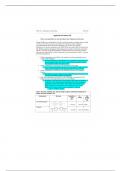
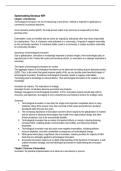
Case Study: Mr X
Mr X, a 26-year-old man from Mthatha, Eastern Cape, has been
in and out of correctional facilities since he was 17 years old.
Growing up in a community with high unemployment and gang
activities, he was exposed to crime from a young age. At 17, he
was convicted of housebreaking and sentenced to two years in
prison. Upon release, he struggled to reintegrate into society due
to a lack of education and skills, leading to further criminal
activities. Recently, Mr X was arrested again for armed robbery
and sentenced to 10 years in Kirkwood Correctional Centre. His
case raises important questions about deterrence, punishment,
rehabilitation, and crime prevention.
Based on the above case study, answer all the following
questions
Question 1: (25 marks)
Compare the concepts of general and specific deterrence in
Mr X’s case, and justify the deterrence that you think would
apply in Mr X.
1. Introduction to Deterrence Theory
Deterrence theory is a core concept in criminology and criminal
justice that seeks to prevent crime through the threat or
application of punishment.
, It operates on the assumption that individuals are rational
beings who weigh the costs and benefits of their actions. The
theory is grounded in classical criminology, particularly in the
works of Cesare Beccaria and Jeremy Bentham. There are two
primary forms of deterrence:
General deterrence: Aimed at society at large,
discouraging the public from committing crimes by setting
an example through the punishment of offenders.
Specific deterrence: Targeted at the individual offender to
discourage them from reoffending in the future.
Understanding how these two forms of deterrence apply in Mr
X’s situation requires an exploration of the socio-economic,
psychological, and systemic context of his criminal behaviour.
2. General Deterrence in Mr X’s Case
General deterrence relies on the idea that the punishment of
Mr X will serve as a warning to others in his community or
society at large. The goal is to instil fear of legal consequences
among potential offenders who might be contemplating similar
criminal acts.
2.1 Application to Mr X’s Context:
In Mr X’s case, his conviction and sentencing to 10 years for
armed robbery at Kirkwood Correctional Centre may be viewed
by the criminal justice system as a mechanism of general
deterrence. Authorities may hope that:
Semester 1 2025 - DUE 24 April 2025
Case Study: Mr X
Mr X, a 26-year-old man from Mthatha, Eastern Cape, has been
in and out of correctional facilities since he was 17 years old.
Growing up in a community with high unemployment and gang
activities, he was exposed to crime from a young age. At 17, he
was convicted of housebreaking and sentenced to two years in
prison. Upon release, he struggled to reintegrate into society due
to a lack of education and skills, leading to further criminal
activities. Recently, Mr X was arrested again for armed robbery
and sentenced to 10 years in Kirkwood Correctional Centre. His
case raises important questions about deterrence, punishment,
rehabilitation, and crime prevention.
Based on the above case study, answer all the following
questions
Question 1: (25 marks)
Compare the concepts of general and specific deterrence in
Mr X’s case, and justify the deterrence that you think would
apply in Mr X.
1. Introduction to Deterrence Theory
Deterrence theory is a core concept in criminology and criminal
justice that seeks to prevent crime through the threat or
application of punishment.
, It operates on the assumption that individuals are rational
beings who weigh the costs and benefits of their actions. The
theory is grounded in classical criminology, particularly in the
works of Cesare Beccaria and Jeremy Bentham. There are two
primary forms of deterrence:
General deterrence: Aimed at society at large,
discouraging the public from committing crimes by setting
an example through the punishment of offenders.
Specific deterrence: Targeted at the individual offender to
discourage them from reoffending in the future.
Understanding how these two forms of deterrence apply in Mr
X’s situation requires an exploration of the socio-economic,
psychological, and systemic context of his criminal behaviour.
2. General Deterrence in Mr X’s Case
General deterrence relies on the idea that the punishment of
Mr X will serve as a warning to others in his community or
society at large. The goal is to instil fear of legal consequences
among potential offenders who might be contemplating similar
criminal acts.
2.1 Application to Mr X’s Context:
In Mr X’s case, his conviction and sentencing to 10 years for
armed robbery at Kirkwood Correctional Centre may be viewed
by the criminal justice system as a mechanism of general
deterrence. Authorities may hope that: