,HRPYC81 Research Project 1 Assignment 2(LITERATURE
REVIEW) 2025 - DUE 12 May 2025 ;100% trusted,
comprehensive and complete reliable solution with clear
explanation
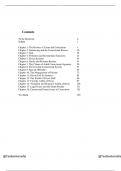
Table of Contents
1. Introduction
2. Definition of Romantic Relationships
3. Psychological and Evolutionary Perspectives
4. Impact of Technology and Dating Apps
5. Motives for Online Dating
6. Selection Criteria in Online Dating
7. The Role of Loneliness
8. Stigmatization of Dating Apps
9. Research Methodology
10. Conclusion
1. Introduction
Introduction
Romantic relationships are an essential part of human social life.
They provide emotional support, intimacy, companionship, and
a sense of belonging. However, the way people initiate and
maintain romantic relationships has evolved significantly with
the rise of technology, especially through the use of dating apps
like Tinder, Bumble, Hinge, and others. These platforms have
transformed traditional ways of meeting romantic partners by
, providing fast, convenient, and often anonymous opportunities
to connect with others.
This research project seeks to explore the psychological
dynamics of romantic relationships formed through dating
apps. More specifically, it will investigate how motives for
online dating, selection criteria (such as beauty and status),
loneliness, and stigmas surrounding dating apps contribute to
the formation and quality of romantic relationships.
The term romantic relationship often overlaps with other close
relationships such as friendships and familial bonds, but it is
typically distinguished by higher emotional intimacy,
exclusivity, and often sexual involvement. Berscheid et al.
(2004) describe close relationships as being characterized by
interdependence and responsiveness—factors that are central
to the emotional connection between individuals. Romantic
relationships generally involve a stronger emotional and
physical bond compared to friendships.
From a psychological perspective, people are often motivated
to enter romantic relationships due to personal needs like
emotional support, companionship, love, and mental well-being
(Braithwaite & Holt-Lunstad, 2017). Meanwhile, the
evolutionary perspective suggests that biological and
reproductive needs—such as mate selection, attraction, and
genetic fitness—play a significant role in romantic behavior
(Sutcliffe et al., 2012). Both perspectives are important in
understanding why individuals engage in romantic relationships
and how they navigate them in the modern digital context.
REVIEW) 2025 - DUE 12 May 2025 ;100% trusted,
comprehensive and complete reliable solution with clear
explanation
Table of Contents
1. Introduction
2. Definition of Romantic Relationships
3. Psychological and Evolutionary Perspectives
4. Impact of Technology and Dating Apps
5. Motives for Online Dating
6. Selection Criteria in Online Dating
7. The Role of Loneliness
8. Stigmatization of Dating Apps
9. Research Methodology
10. Conclusion
1. Introduction
Introduction
Romantic relationships are an essential part of human social life.
They provide emotional support, intimacy, companionship, and
a sense of belonging. However, the way people initiate and
maintain romantic relationships has evolved significantly with
the rise of technology, especially through the use of dating apps
like Tinder, Bumble, Hinge, and others. These platforms have
transformed traditional ways of meeting romantic partners by
, providing fast, convenient, and often anonymous opportunities
to connect with others.
This research project seeks to explore the psychological
dynamics of romantic relationships formed through dating
apps. More specifically, it will investigate how motives for
online dating, selection criteria (such as beauty and status),
loneliness, and stigmas surrounding dating apps contribute to
the formation and quality of romantic relationships.
The term romantic relationship often overlaps with other close
relationships such as friendships and familial bonds, but it is
typically distinguished by higher emotional intimacy,
exclusivity, and often sexual involvement. Berscheid et al.
(2004) describe close relationships as being characterized by
interdependence and responsiveness—factors that are central
to the emotional connection between individuals. Romantic
relationships generally involve a stronger emotional and
physical bond compared to friendships.
From a psychological perspective, people are often motivated
to enter romantic relationships due to personal needs like
emotional support, companionship, love, and mental well-being
(Braithwaite & Holt-Lunstad, 2017). Meanwhile, the
evolutionary perspective suggests that biological and
reproductive needs—such as mate selection, attraction, and
genetic fitness—play a significant role in romantic behavior
(Sutcliffe et al., 2012). Both perspectives are important in
understanding why individuals engage in romantic relationships
and how they navigate them in the modern digital context.