
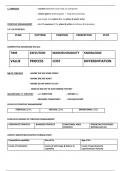
1. STRATEGY - warfare between Co & rivals, to overpower
- Action plan to achieve goals = long-term planning
- way to get a Co where it is, to where it wants to be
STRATEGIC MANAGEMENT - identify purpose of Co, plans & action to achieve that purpose
5 P’s OF STRATEGY
PLAN PATTERN POSITION PERSPECTIVE PLOY
COMPETITIVE ADVANTAGE (Porter)
TIME EXECUTION MANOEUVRABILITY KNOWLEDGE
VALUE PROCESS COST DIFFERENTIATION
NB OF STRATEGY - WHERE DID WE COME FROM?
- WHERE ARE WE NOW?
- WHERE DO WE WANT TO GO?
- HOW DO WE GET TO OUR DESIRED FUTURE?
ADVANTAGES OF STRATEGY - sets DIRECTION -- DEFINES Co
- PROVIDES CONSISTENCY - FOCUSES EFFORT
LEVELS OF STRATEGIC MANAGEMENT
STRATEGIC LEVEL TACTICAL LEVEL OPERATIONAL LEVEL
FOUR-LEVEL MODEL OF STRATEGIC MANAGEMENT
CORPORATE STRATEGY BUSINESS STRATEGY FUNCTIONAL AREA OPERATING STRATEGIES
STRATEGY WITHIN EACH CO
ASPECTS IMPACTING STRATEGY FORMULATION
Competitive capability Size of Co Age of Co
Levels of motivation Levels of self-image & believe in Levels of operational &
capability organisational maturity
, 2.
VISION – Where are we going? MISSION – Reason for Co’s existence
Pro-active Reason for Co’s existence
Aspirations of ideal future Purpose of Co’s existence
Direct Co over long term Philosophy of management
Forward-looking Planned products & services to be supplied
Idealistic Statement about fulfilling customer needs
Not detailed on how to achieve Values & priorities associated with the Co
Somewhat philosophical Tool providing a sense of purpose
Characteristics of good vision statements
Graphic Vivid, realistic & convincing picture
Directional Clues on where Co wants to go
Focused What Co wants to achieve
Flexible Compensate for unforeseen circumstances – rephrase
Feasible Achievable future
Desirable Attractive to everyone, more people motivated the
better
Easy to communicate Short & written in simple language – more powerful
PURPOSE OF MISSION STATEMENT
-Unanimity of purpose - Stimulation to apply resources -Direction of people
-Basis for application resources - Organisational climate -Concretising of goals
-Performance derived from organizational purpose
10 ESSENTIAL COMPONENTS OF MISSION STATEMENT
* Specific products or services * Specific market(s) * Geographical domain
* Technology * Organisational will * Management philosophy
* Organisational values * Self-concept * Public image
* Service or product quality
MISTAKES COMMON IN MISSION STATEMENTS
* Vague & full of empty words *people writing MS ignore them afterwards * Fail to implement actions
* Lack of skills to implement actions
STRATEGIC POSITIONING ARE FOCUSED ON POINTS A CO WANTS TO EMPHASISE TO THE MARKET
SERVICE QUALITY ACCESS
SCOPE INNOVATION DEMOGRAPHICS
- Action plan to achieve goals = long-term planning
- way to get a Co where it is, to where it wants to be
STRATEGIC MANAGEMENT - identify purpose of Co, plans & action to achieve that purpose
5 P’s OF STRATEGY
PLAN PATTERN POSITION PERSPECTIVE PLOY
COMPETITIVE ADVANTAGE (Porter)
TIME EXECUTION MANOEUVRABILITY KNOWLEDGE
VALUE PROCESS COST DIFFERENTIATION
NB OF STRATEGY - WHERE DID WE COME FROM?
- WHERE ARE WE NOW?
- WHERE DO WE WANT TO GO?
- HOW DO WE GET TO OUR DESIRED FUTURE?
ADVANTAGES OF STRATEGY - sets DIRECTION -- DEFINES Co
- PROVIDES CONSISTENCY - FOCUSES EFFORT
LEVELS OF STRATEGIC MANAGEMENT
STRATEGIC LEVEL TACTICAL LEVEL OPERATIONAL LEVEL
FOUR-LEVEL MODEL OF STRATEGIC MANAGEMENT
CORPORATE STRATEGY BUSINESS STRATEGY FUNCTIONAL AREA OPERATING STRATEGIES
STRATEGY WITHIN EACH CO
ASPECTS IMPACTING STRATEGY FORMULATION
Competitive capability Size of Co Age of Co
Levels of motivation Levels of self-image & believe in Levels of operational &
capability organisational maturity
, 2.
VISION – Where are we going? MISSION – Reason for Co’s existence
Pro-active Reason for Co’s existence
Aspirations of ideal future Purpose of Co’s existence
Direct Co over long term Philosophy of management
Forward-looking Planned products & services to be supplied
Idealistic Statement about fulfilling customer needs
Not detailed on how to achieve Values & priorities associated with the Co
Somewhat philosophical Tool providing a sense of purpose
Characteristics of good vision statements
Graphic Vivid, realistic & convincing picture
Directional Clues on where Co wants to go
Focused What Co wants to achieve
Flexible Compensate for unforeseen circumstances – rephrase
Feasible Achievable future
Desirable Attractive to everyone, more people motivated the
better
Easy to communicate Short & written in simple language – more powerful
PURPOSE OF MISSION STATEMENT
-Unanimity of purpose - Stimulation to apply resources -Direction of people
-Basis for application resources - Organisational climate -Concretising of goals
-Performance derived from organizational purpose
10 ESSENTIAL COMPONENTS OF MISSION STATEMENT
* Specific products or services * Specific market(s) * Geographical domain
* Technology * Organisational will * Management philosophy
* Organisational values * Self-concept * Public image
* Service or product quality
MISTAKES COMMON IN MISSION STATEMENTS
* Vague & full of empty words *people writing MS ignore them afterwards * Fail to implement actions
* Lack of skills to implement actions
STRATEGIC POSITIONING ARE FOCUSED ON POINTS A CO WANTS TO EMPHASISE TO THE MARKET
SERVICE QUALITY ACCESS
SCOPE INNOVATION DEMOGRAPHICS


