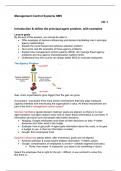
Introduction
,What is sustainability?
Three dimensions (economic, social, environmental)
Long-term, future-friendly, do not harm the next generation
Climate change threatens sustainability by disrupting ecosystems, economies, and
communities.
Different discourses about climate change inform different meaning and courses of action
(i.e. “intervention”)
Using strategic approaches to deal with the sustainability challenges!!!
A coordinated and systematic process for developing a plan to optimize
endeavours/attempts to reach certain goals in the future. This systematic process requires
different techniques and methods
Myths are not falsehoods but stories people tell to make sense of the world around them.
Four myths in climate change:
- Edenic
- Return to a simpler, innocent era
- The fragile world of nature must be protected
- We need to go back to the previous perfect situation, whatever that is.
- Apocalyptic
- Dystopian future, doom and gloom, fear and disaster, which reveals the
extent to which people worry about the future
- Call for action to save our life
- With current situation we will end up in a disaster situation
- We need to do something
- Promethean
- Nature must be mastered and controlled
- But ‘we lack the wisdom and humility’
- We have to control nature, the world.
- We need better technology, better methods, better techniques to control the
environment
- We need to master it, we lost control, need that control
- Themisian
- Based on the language of justice and equity
- Rights/wrongs in society
Blindly adopting superficial environmental approaches without fully understanding their
effects can be no better - and perhaps even worse - than doing nothing
To be less bad is to accept thing as they are, to believe that poorly designed, dishonourable,
destructive systems are the best humans can do. This is the ultimate failure of the ‘be less
bad’ approach: a failure of the imagination.
,The call for interventions? → A process or an act by which change is introduced into a
certain (ongoing) situation.
Intervention: when should we do it? When is a problem a problem?
Phase model: theoretical lens on decision-making
Framing of the problem as a multi-actor dynamic, within collaborate course, many
stakeholders, many actors
Intervention; when should we do it?
➢ When there is a problem with the current state of affairs
➢ When we are dissatisfied with the current or existing or foreseen situation with the
‘legacy of the past’ or with the concern for an undesirable future
Intervention in a system: to intervene directly or indirectly in the problem
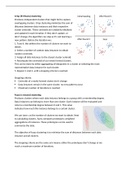
System analysis
- Identify and name the system
- Goal: to reduce the gap between the desired and actual state
- In the short and long-term
- Direct and indirect effects
- Estimating the effect by drawing up
scenarios and models, including their
‘reasoning’
- Includes clear indicators/criteria (based
on preferences or wishes of involved
stakeholders) about the change of the
systems as a whole
, Duidelijk limiet om systeem heen, boundary of your system
Performance criteria to test whether your intervention works or not
Four types of steering:
1. Legal (law/regulations)
2. Economic incentive; such as subsidy
3. Facilitation/communication; communication with stakeholders included
4. Do it yourself: removing or adding some elements
,What is sustainability?
Three dimensions (economic, social, environmental)
Long-term, future-friendly, do not harm the next generation
Climate change threatens sustainability by disrupting ecosystems, economies, and
communities.
Different discourses about climate change inform different meaning and courses of action
(i.e. “intervention”)
Using strategic approaches to deal with the sustainability challenges!!!
A coordinated and systematic process for developing a plan to optimize
endeavours/attempts to reach certain goals in the future. This systematic process requires
different techniques and methods
Myths are not falsehoods but stories people tell to make sense of the world around them.
Four myths in climate change:
- Edenic
- Return to a simpler, innocent era
- The fragile world of nature must be protected
- We need to go back to the previous perfect situation, whatever that is.
- Apocalyptic
- Dystopian future, doom and gloom, fear and disaster, which reveals the
extent to which people worry about the future
- Call for action to save our life
- With current situation we will end up in a disaster situation
- We need to do something
- Promethean
- Nature must be mastered and controlled
- But ‘we lack the wisdom and humility’
- We have to control nature, the world.
- We need better technology, better methods, better techniques to control the
environment
- We need to master it, we lost control, need that control
- Themisian
- Based on the language of justice and equity
- Rights/wrongs in society
Blindly adopting superficial environmental approaches without fully understanding their
effects can be no better - and perhaps even worse - than doing nothing
To be less bad is to accept thing as they are, to believe that poorly designed, dishonourable,
destructive systems are the best humans can do. This is the ultimate failure of the ‘be less
bad’ approach: a failure of the imagination.
,The call for interventions? → A process or an act by which change is introduced into a
certain (ongoing) situation.
Intervention: when should we do it? When is a problem a problem?
Phase model: theoretical lens on decision-making
Framing of the problem as a multi-actor dynamic, within collaborate course, many
stakeholders, many actors
Intervention; when should we do it?
➢ When there is a problem with the current state of affairs
➢ When we are dissatisfied with the current or existing or foreseen situation with the
‘legacy of the past’ or with the concern for an undesirable future
Intervention in a system: to intervene directly or indirectly in the problem
System analysis
- Identify and name the system
- Goal: to reduce the gap between the desired and actual state
- In the short and long-term
- Direct and indirect effects
- Estimating the effect by drawing up
scenarios and models, including their
‘reasoning’
- Includes clear indicators/criteria (based
on preferences or wishes of involved
stakeholders) about the change of the
systems as a whole
, Duidelijk limiet om systeem heen, boundary of your system
Performance criteria to test whether your intervention works or not
Four types of steering:
1. Legal (law/regulations)
2. Economic incentive; such as subsidy
3. Facilitation/communication; communication with stakeholders included
4. Do it yourself: removing or adding some elements