Law of things
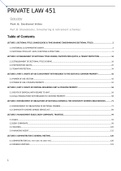
Table of Contents
Introduction.......................................................................................................................1
1.Classification of private things...................................................................................................1
2. Real v private actions................................................................................................................3
3.Ownership.................................................................................................................................4
4. Types of ownership...................................................................................................................5
Classification of methods of acquisition..............................................................................8
A) Mancipatio...............................................................................................................................9
B) in iure Cessio..........................................................................................................................10
C) traditio (ex iusta causa)..........................................................................................................11
Derivative methods of acquisition..............................................................................................12
Original methods of acquisition of ownership............................................................................15
A) Usucapio- prescription.............................................................................................................................15
B) occupation (appropriation)......................................................................................................................18
C) accessio.....................................................................................................................................................20
Possessio....................................................................................................................................36
Real security...............................................................................................................................48
Revision class 1................................................................................................................54
Pignus hypothecave continued.........................................................................................63
Introduction
1.Classification of private things
• Res mobiles and res immobiles
o Relevant for prescription, possessory interdicts, the constitution of servitudes
Res fungibiles (generic things) and res non fungibiles (specific things)
o Res consumptibiles (sub category of res fungibiles, things you can consume, ex
wine)
Distinction NB for contract types
• Res mancipi (know latin term!)
1
, o Transferred through formal methods of transfer: mancipatio and in iure cessio
o Limited category
o Things that determined wealth of citizen for purposes of census
o Most important things in early agrarian society
o Not all valuable things are included, ex amount of slaves/horses are taken into
account to determine your wealth
-slaves
-beast (horses, oxen, meuls and donkeys)
-rural praedial servitudes
-Land in Italy and provinces with the same status as Italy
Memorize the above list!
• Res nec mancipi
o Everything else
o Transferred through traditio
o Ex: Camels and elephants
• The distinction btwn this and res mancipi was very nb in the classical era as there were
different remedies
• Divisible (ex. Land) and indivisible (ex. can’t divide a horse)
o Relevant for division of property held in co-ownership
2
,The way it will be asked: something will be described as a loan and you will have to realise
what type of contract you are working with. You will not have to classify them
2. Real v private actions
• Real action: actio in rem (claim of direct control over a corporeal thing, real right such as
ownership)
o Actio in rem is instituted against the res itself. Can claim res wherever it is found
o Absolute patrimonial relation
o Ex: Rei vindicatio (dispute about ownership, first real action)
o Meum esse-formula (have to touch the thing and then say this formula): ‘i say
that this res is mine according to the law of us romans’
o Grab res or symbol
o Absolute right so can be enforced against the whole world
• Real action (actio in rem) Defendant’s choices:
1.contravindicatio: counter claim- claim it’s his (NOT A DEFENCE)
2.acknowledge claim- can no longer contest claim
3.refuse to get involved (don’t answer)- onus of proof will be easier, action considered
undefended. Easier to prove because there is no defence but does not automatically mean
you win.
• Personal action: actio in personam
o Foundation of roman law of things was recognition of real actions as opposed to
personal actions
o Identity of counter party is very NB. You can only institute the actions against a
specific person
o Has to do with performance.
3
, o Formula: “I claim that you owe me 100000 sesterces”
o Legal nexus btwn claimant and specific person that has to deliver performance
o Defendant did not have a choice:
-Had to enter dispute (otherwise tacit acknowledgment)
Actio in personam developed into ius in personam, right to performance
Differences between the two
1. Where thing is found vs against specific person
2. Different formula
3.Ownership
Content (nature) of ownership:
• Initially no def
• Concept never articulated
• Later the romanist attempted to define the concept
• SHULTZ: ‘right over a corporeal thing, endows holder with full power over thing, subject
to limitations.”
Limitations??? -> content differs from situation to situation.
• No definite content, impossible to define
• Attempt to define by distinguishing btwn ownership and other real rights
4
Table of Contents
Introduction.......................................................................................................................1
1.Classification of private things...................................................................................................1
2. Real v private actions................................................................................................................3
3.Ownership.................................................................................................................................4
4. Types of ownership...................................................................................................................5
Classification of methods of acquisition..............................................................................8
A) Mancipatio...............................................................................................................................9
B) in iure Cessio..........................................................................................................................10
C) traditio (ex iusta causa)..........................................................................................................11
Derivative methods of acquisition..............................................................................................12
Original methods of acquisition of ownership............................................................................15
A) Usucapio- prescription.............................................................................................................................15
B) occupation (appropriation)......................................................................................................................18
C) accessio.....................................................................................................................................................20
Possessio....................................................................................................................................36
Real security...............................................................................................................................48
Revision class 1................................................................................................................54
Pignus hypothecave continued.........................................................................................63
Introduction
1.Classification of private things
• Res mobiles and res immobiles
o Relevant for prescription, possessory interdicts, the constitution of servitudes
Res fungibiles (generic things) and res non fungibiles (specific things)
o Res consumptibiles (sub category of res fungibiles, things you can consume, ex
wine)
Distinction NB for contract types
• Res mancipi (know latin term!)
1
, o Transferred through formal methods of transfer: mancipatio and in iure cessio
o Limited category
o Things that determined wealth of citizen for purposes of census
o Most important things in early agrarian society
o Not all valuable things are included, ex amount of slaves/horses are taken into
account to determine your wealth
-slaves
-beast (horses, oxen, meuls and donkeys)
-rural praedial servitudes
-Land in Italy and provinces with the same status as Italy
Memorize the above list!
• Res nec mancipi
o Everything else
o Transferred through traditio
o Ex: Camels and elephants
• The distinction btwn this and res mancipi was very nb in the classical era as there were
different remedies
• Divisible (ex. Land) and indivisible (ex. can’t divide a horse)
o Relevant for division of property held in co-ownership
2
,The way it will be asked: something will be described as a loan and you will have to realise
what type of contract you are working with. You will not have to classify them
2. Real v private actions
• Real action: actio in rem (claim of direct control over a corporeal thing, real right such as
ownership)
o Actio in rem is instituted against the res itself. Can claim res wherever it is found
o Absolute patrimonial relation
o Ex: Rei vindicatio (dispute about ownership, first real action)
o Meum esse-formula (have to touch the thing and then say this formula): ‘i say
that this res is mine according to the law of us romans’
o Grab res or symbol
o Absolute right so can be enforced against the whole world
• Real action (actio in rem) Defendant’s choices:
1.contravindicatio: counter claim- claim it’s his (NOT A DEFENCE)
2.acknowledge claim- can no longer contest claim
3.refuse to get involved (don’t answer)- onus of proof will be easier, action considered
undefended. Easier to prove because there is no defence but does not automatically mean
you win.
• Personal action: actio in personam
o Foundation of roman law of things was recognition of real actions as opposed to
personal actions
o Identity of counter party is very NB. You can only institute the actions against a
specific person
o Has to do with performance.
3
, o Formula: “I claim that you owe me 100000 sesterces”
o Legal nexus btwn claimant and specific person that has to deliver performance
o Defendant did not have a choice:
-Had to enter dispute (otherwise tacit acknowledgment)
Actio in personam developed into ius in personam, right to performance
Differences between the two
1. Where thing is found vs against specific person
2. Different formula
3.Ownership
Content (nature) of ownership:
• Initially no def
• Concept never articulated
• Later the romanist attempted to define the concept
• SHULTZ: ‘right over a corporeal thing, endows holder with full power over thing, subject
to limitations.”
Limitations??? -> content differs from situation to situation.
• No definite content, impossible to define
• Attempt to define by distinguishing btwn ownership and other real rights
4