NSG 533 EXAM 4
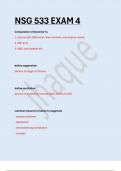
Composition of blood (by %)
1. plasma 55% (90% water, then nutrients, electrolytes, waste)
2. RBC 41%
3. WBC and platelets 4%
define oxygenation
delivery of oxygen to tissues
define ventilation
process of inspiration and expiration (looks at CO2)
common reasons for failure to oxygenate
- alveolar problems
- hypoxemia
- decreased lung compliance
- crackles
,common reasons for failure to ventilate
- airway problems
- hypercarbia (can't get rid of CO2)
- increased resistance
- decreased flow rates
- wheezes, stridor
two pathophysiological causes of hypoxemia:
- normal P(A-a)/O2
- increased P(A-a)/O2
mechanisms associated with normal P(A-a)/O2:
- reduced partial pressure of inhaled oxygen (FiO2)
- alveolar hypoventilation
requirements of RBC production
1. amino acids
2. copper
3. cobalt
4. vitamin B (2,3,6,12)
,5. folate
6. iron
7. vitamin E
what hormone stimulates RBC production
erythropoietin
when and where is erythropoietin secreted?
secreted from juxtaglomerular cells in the kidneys
when decreased oxygen is detected
what is the last immature form of a RBC
reticulocyte (once it loses its ribosomal network, it becomes an RBC)
life span of erythrocytes
120 days then removed by macrophages
oxyhemoglobin
, hemoglobin bound to oxygen in the lungs (then binds with iron)
deoxyhemoglobin
hemoglobin without oxygen (delivers the oxygen to body tissues --> blood becomes
darker red)
describe the degradation of RBCs
- after 120 days, macrophages degrade erythrocyte
- globin is broken down into amino acids and sent back to bone marrow
- iron (in the heme portion) is stored in the liver or spleen as ferritin
- non-iron portion of heme is degraded to biliverdin --> bilirubin --> liver --> excreted
as bile --> excreted in feces and urine
define anemia
decrease in the total number of erythrocytes in the circulating blood or a decrease in
the quality/quantity of hemoglobin
three causes of anemia
1. blood loss
2. underproduction of erythrocytes
Composition of blood (by %)
1. plasma 55% (90% water, then nutrients, electrolytes, waste)
2. RBC 41%
3. WBC and platelets 4%
define oxygenation
delivery of oxygen to tissues
define ventilation
process of inspiration and expiration (looks at CO2)
common reasons for failure to oxygenate
- alveolar problems
- hypoxemia
- decreased lung compliance
- crackles
,common reasons for failure to ventilate
- airway problems
- hypercarbia (can't get rid of CO2)
- increased resistance
- decreased flow rates
- wheezes, stridor
two pathophysiological causes of hypoxemia:
- normal P(A-a)/O2
- increased P(A-a)/O2
mechanisms associated with normal P(A-a)/O2:
- reduced partial pressure of inhaled oxygen (FiO2)
- alveolar hypoventilation
requirements of RBC production
1. amino acids
2. copper
3. cobalt
4. vitamin B (2,3,6,12)
,5. folate
6. iron
7. vitamin E
what hormone stimulates RBC production
erythropoietin
when and where is erythropoietin secreted?
secreted from juxtaglomerular cells in the kidneys
when decreased oxygen is detected
what is the last immature form of a RBC
reticulocyte (once it loses its ribosomal network, it becomes an RBC)
life span of erythrocytes
120 days then removed by macrophages
oxyhemoglobin
, hemoglobin bound to oxygen in the lungs (then binds with iron)
deoxyhemoglobin
hemoglobin without oxygen (delivers the oxygen to body tissues --> blood becomes
darker red)
describe the degradation of RBCs
- after 120 days, macrophages degrade erythrocyte
- globin is broken down into amino acids and sent back to bone marrow
- iron (in the heme portion) is stored in the liver or spleen as ferritin
- non-iron portion of heme is degraded to biliverdin --> bilirubin --> liver --> excreted
as bile --> excreted in feces and urine
define anemia
decrease in the total number of erythrocytes in the circulating blood or a decrease in
the quality/quantity of hemoglobin
three causes of anemia
1. blood loss
2. underproduction of erythrocytes