Chemical Control Methods
General Principle
• Wide variety of chemicals can be used to prevent microbial growth
• Egyptians used resins and aromatics for embalming corpses
• Ancient people burnt sulphur for deodorising spaces and for sanitation
• Early 1800s tincture of iodine was a valuable antiseptic
• Copper sulphate used for preventing fungal growth on plants (Bordeaux
mixture)
o Both antibacterial and antifungal
• Mercury was used to treat syphilis
o Harms people as well as microbes
• Joseph Lister (physician) pioneered use of carbolic acid (phenol)
o Antiseptic to sterilise skin and wounds in surgery
o Disinfectant for surgical instruments
o Reduced mortality from surgery from 45% to 9%
• Important considerations
o Type of microbe being targeted
o How clean the item needs to be
▪ 70% alcohol kills bacteria by disrupting proteins
▪ 100% alcohol dehydrates bacteria before killing them
o Effect of disinfectant on integrity of the item being disinfected
o Animal, human and environmental safety
o Disinfectant expense
o Ease of use
, Phenol
• Lister originally developed carbolic acid (phenol) for surgical applications
• Skin irritant which is no longer used as a surgical disinfectant
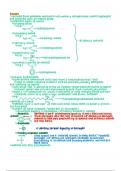
• Phenolics – compounds with benzene rings and a hydroxyl group
o e.g. bisphenol
o More stable, persistent on surfaces and less toxic than phenol
• Effective against vegetative bacteria, enveloped viruses, fungi, and protozoa
• Not effective against spores
• Denatures proteins disrupting microbial cell membranes and within cells
o Used in conjunction with chloroform which solubilises lipids
• Phenolics
o Ortho-, meta-, para-cresol- phenolics for wood preservative
o Hexylresorcinol – lozenges, mouthwash, topical antiseptic
o Triclosan – toothpastes, soaps, cutting boards, knives, shower curtains,
clothing, concrete, to make them antimicrobial
▪ Blocks bacterial fatty acid synthesis
▪ Prevents the production of cell membranes
Alcohols
Ethanol and Isopropanol
• Most commonly used is ethanol and isopropanol
• Bactericidal at 70% while 100% inactivates (does not kill)
o At 100% surface proteins coagulate very quickly preventing effective
penetration of alcohol into the cells
• Tend to be bactericidal, fungicidal, viricidal (for enveloped viruses only)
o Viral envelope is the membrane of the host cell it left
• Does not affect spores
• Rapidly denatures proteins, inhibiting cell metabolism
• Disrupts cell membranes leading to cell lysis
o 70% alcohol allows water in which lyses cells
General Principle
• Wide variety of chemicals can be used to prevent microbial growth
• Egyptians used resins and aromatics for embalming corpses
• Ancient people burnt sulphur for deodorising spaces and for sanitation
• Early 1800s tincture of iodine was a valuable antiseptic
• Copper sulphate used for preventing fungal growth on plants (Bordeaux
mixture)
o Both antibacterial and antifungal
• Mercury was used to treat syphilis
o Harms people as well as microbes
• Joseph Lister (physician) pioneered use of carbolic acid (phenol)
o Antiseptic to sterilise skin and wounds in surgery
o Disinfectant for surgical instruments
o Reduced mortality from surgery from 45% to 9%
• Important considerations
o Type of microbe being targeted
o How clean the item needs to be
▪ 70% alcohol kills bacteria by disrupting proteins
▪ 100% alcohol dehydrates bacteria before killing them
o Effect of disinfectant on integrity of the item being disinfected
o Animal, human and environmental safety
o Disinfectant expense
o Ease of use
, Phenol
• Lister originally developed carbolic acid (phenol) for surgical applications
• Skin irritant which is no longer used as a surgical disinfectant
• Phenolics – compounds with benzene rings and a hydroxyl group
o e.g. bisphenol
o More stable, persistent on surfaces and less toxic than phenol
• Effective against vegetative bacteria, enveloped viruses, fungi, and protozoa
• Not effective against spores
• Denatures proteins disrupting microbial cell membranes and within cells
o Used in conjunction with chloroform which solubilises lipids
• Phenolics
o Ortho-, meta-, para-cresol- phenolics for wood preservative
o Hexylresorcinol – lozenges, mouthwash, topical antiseptic
o Triclosan – toothpastes, soaps, cutting boards, knives, shower curtains,
clothing, concrete, to make them antimicrobial
▪ Blocks bacterial fatty acid synthesis
▪ Prevents the production of cell membranes
Alcohols
Ethanol and Isopropanol
• Most commonly used is ethanol and isopropanol
• Bactericidal at 70% while 100% inactivates (does not kill)
o At 100% surface proteins coagulate very quickly preventing effective
penetration of alcohol into the cells
• Tend to be bactericidal, fungicidal, viricidal (for enveloped viruses only)
o Viral envelope is the membrane of the host cell it left
• Does not affect spores
• Rapidly denatures proteins, inhibiting cell metabolism
• Disrupts cell membranes leading to cell lysis
o 70% alcohol allows water in which lyses cells