ASSIGNMENT 2
PYC4809 – 645009
CN MBOKODO
42093139
Carol Mbokodo
, SECTION A
QUESTION 1
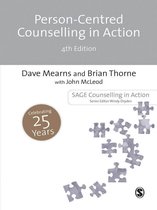
Person-Centred Therapy
The person-centred approach is one of the most popular, enduring and respected
approaches to psychotherapy and counselling. In North America, many psychologists and
psychiatrists focused on psychoanalysis and behavioral approaches which were
employed by deep emotions from people who are undergoing them and couldn’t explain
them. People felt that they were unique individuals with thoughts, feeling, hopes and
dreams which were parallel to their beliefs (Glassman & Hadah, 2009). According to
practitioners like Keith Tudor and Mike Worrall, they describe this theory as an inclusion
in the context of other approaches to psychotherapy and counselling that made a
contribution into examining the roots of person-centered thinking in existential,
phenomenological and organismic philosophy
Carl Rogers in his work introduced the term person-centred counselling which replaced
‘client-centred over the years, as a reflection of the importance of seeing the person
seeking counselling as being the expert on themselves, and the therapist being a
facilitator in their search for self-actualization. Client-centred was that the therapist should
not try to formulate their own experiences or goals in terms of any external theory. The
therapist was required to be in the client’s own frame of reference and to help the client
articulate their own concerns in their own ways. Even though the client-centred therapy
was seen as against theory, it is not a disparagement of theory.
Rogers believed that individuals are born with ready tools for self-actualization (Corey,
2009). Self-actualization is essentially defined by humanists as an inherent desire to grow
and to develop one’s capacities to their fullest that exists within each human being
(Glassman & Hadah, 2009). He also believed that the therapist-person attitudes in the
therapeutics process are determinants. He said the unconditional positive regard,
openness and empathy are very important for personal growth. He saw the therapist’s
application of “core conditions” to therapy as ingredients to making the non-directive
reflective procedure effective. He said the influential psychotherapist under the (The Top
PYC4809 – 645009
CN MBOKODO
42093139
Carol Mbokodo
, SECTION A
QUESTION 1
Person-Centred Therapy
The person-centred approach is one of the most popular, enduring and respected
approaches to psychotherapy and counselling. In North America, many psychologists and
psychiatrists focused on psychoanalysis and behavioral approaches which were
employed by deep emotions from people who are undergoing them and couldn’t explain
them. People felt that they were unique individuals with thoughts, feeling, hopes and
dreams which were parallel to their beliefs (Glassman & Hadah, 2009). According to
practitioners like Keith Tudor and Mike Worrall, they describe this theory as an inclusion
in the context of other approaches to psychotherapy and counselling that made a
contribution into examining the roots of person-centered thinking in existential,
phenomenological and organismic philosophy
Carl Rogers in his work introduced the term person-centred counselling which replaced
‘client-centred over the years, as a reflection of the importance of seeing the person
seeking counselling as being the expert on themselves, and the therapist being a
facilitator in their search for self-actualization. Client-centred was that the therapist should
not try to formulate their own experiences or goals in terms of any external theory. The
therapist was required to be in the client’s own frame of reference and to help the client
articulate their own concerns in their own ways. Even though the client-centred therapy
was seen as against theory, it is not a disparagement of theory.
Rogers believed that individuals are born with ready tools for self-actualization (Corey,
2009). Self-actualization is essentially defined by humanists as an inherent desire to grow
and to develop one’s capacities to their fullest that exists within each human being
(Glassman & Hadah, 2009). He also believed that the therapist-person attitudes in the
therapeutics process are determinants. He said the unconditional positive regard,
openness and empathy are very important for personal growth. He saw the therapist’s
application of “core conditions” to therapy as ingredients to making the non-directive
reflective procedure effective. He said the influential psychotherapist under the (The Top