Financial
intermediation
and regulation
BUSINESS ENGINEERING –
FINANCIAL ENGINEERING
EXAM:
- 1 question about the visit of the NBB (4 pnt)
- 1 question about the part of Jan Bouckaert (CH 1- 4: 8pnt)
- 1 question about the part of Jo (CH 5 and 7,8: 8pnt)
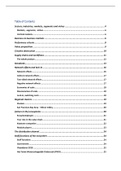
,Inhoudsopgave
CHAPTER 1 – WHAT’S DIFFERENT ABOUT BANKS?................................................................4
1 WHAT IS A BANK? WHAT DO BANKS DO?................................................................................................. 4
1.1 A bank: a simple, operational definition.....................................................................................4
1.2 Why do banks/ financial intermediaries exist?............................................................................4
1.3 Banks as “pools of liquidity” and “liquidity insurers”: an introduction.......................................5
1.3.1 A simple model......................................................................................................................... 5
1.3.2 Autarky.................................................................................................................................... 5
1.3.3 Market economy...................................................................................................................... 5
1.3.4 Market economy vs. optimal allocation...................................................................................6
2 BANKS AND LIQUIDITY CREATION: A SIMPLE EXPOSITION OF THE DIAMOND-DYBVIG MODEL.........................6
2.1 Liquidity...................................................................................................................................... 6
2.1.1 Consumer demand for liquidity................................................................................................ 6
2.1.2 The uncertain horizon for investors......................................................................................... 6
2.1.3 Entrepreneurial liquidity demand............................................................................................8
2.2 Bank liquidity creation................................................................................................................ 8
2.3 The optimal amount of liquidity.................................................................................................. 8
2.4 An extension: the principle of asset management......................................................................9
2.5 Bank runs.................................................................................................................................. 10
2.6 (un)stable bank system - equilibrium beliefs, locally stable equilibria, and tipping points......11
CHAPTER 2 - A RATIONALE FOR (PRUDENTIAL) REGULATION OF BANKS.........................12
1. WHAT IS A BANK?.............................................................................................................................. 12
2. (OFF-)BALANCE BANKING ACTIVITIES................................................................................................... 12
3. UNIVERSAL VS SPECIALIZED BANKING.................................................................................................. 13
4. WHY (NOT) REGULATE BANKS?........................................................................................................... 14
CHAPTER 3 – PRUDENTIAL REGULATION OF BANKS...........................................................16
1. REGULATION AND DEREGULATION....................................................................................................... 16
1.1 The deregulation record........................................................................................................... 16
1.2 Reregulation............................................................................................................................. 17
1.2.1 A regulatory incentive scheme that acts like a capital structure...........................................17
1.2.2 Microprudential..................................................................................................................... 17
1.2.3 Macroprudential.................................................................................................................... 18
1.2.4 Observations.......................................................................................................................... 18
1.2.5 Fundamental questions remain.............................................................................................. 18
2. EUROPEAN BANKING CRISIS: AN INTERNATIONAL PERSPECTIVE..............................................................18
3. STATE AID AND (2008) BANK BAIL-OUTS.............................................................................................. 19
4. IMPACT OF BANKING REGULATORY INITIATIVES.....................................................................................19
5. A STYLIZED EXAMPLE......................................................................................................................... 20
6. STATE AID: BANKS ARE “SPECIAL”....................................................................................................... 20
7. CONCLUSION.................................................................................................................................... 20
CHAPTER 4 – LENDER- BORROWER RELATIONS..................................................................22
1. CREDIT MARKET................................................................................................................................ 22
1.1 Moral hazard............................................................................................................................. 22
1.2 Adverse selection...................................................................................................................... 22
2. IMPERFECT CAPITAL MARKETS............................................................................................................ 23
3. COEXISTENCE OF DIRECT LENDING AND INTERMEDIATED LENDING.........................................................23
3.1 Monitoring and capital—Holmström and Tirole (1993)............................................................23
3.2 Direct lending........................................................................................................................... 24
3.3 Direct lending and bank lending............................................................................................... 24
3.4 Intermediated lending.............................................................................................................. 24
CHAPTER 5 - BELGIAN AND EUROPEAN BANKING SECTOR: STATE OF AFFAIRS AND
CHALLENGES.......................................................................................................................... 26
1. INTRODUCTION.................................................................................................................................. 26
2. THE BELGIAN BANKING LANDSCAPE.................................................................................................... 27
3. STATE OF AFFAIRS............................................................................................................................. 29
3.1. Belgian banks’ profitability...................................................................................................... 29
3.2. Solvency................................................................................................................................... 30
3.3. Liquidity................................................................................................................................... 31
PAGINA 1
, 3.4. Main components of income statement...................................................................................32
3.5. Net interest income (NII)......................................................................................................... 32
3.6. Other income and expenses..................................................................................................... 34
3.7. Impact on business model........................................................................................................ 35
4. THE CHALLENGES AHEAD................................................................................................................... 36
4.1. Challenges of the new interest rate environment....................................................................36
4.1.1 Monetary policy and yield curve (in%)...................................................................................36
4.1.2 Interest rate risk management.............................................................................................. 36
4.1.3 Factors weighing on net interest income in the future (production of loans)........................36
4.1.4 International comparison....................................................................................................... 38
4.1.5 Higher credit losses in the future?........................................................................................38
4.2. Implications for macroprudential policy – Capital buffers.......................................................41
4.3. Digitisation of financial services.............................................................................................. 42
4.4. Climate related risks................................................................................................................ 42
4.5. Anti-money laundering............................................................................................................. 44
4.6. Non bank financial intermediation (NBFI)...............................................................................44
5. CONCLUSIONS................................................................................................................................... 44
CHAPTER 6 - STUDY VISIT TO THE NATIONAL BANK OF BELGIUM 22 NOVEMBER 2024..46
1. MODERNISING THE THREE LINES OF DEFENCE MODEL. A SUPERVISORY EXAMPLE (09:35-10:30)...........46
1.1 Setting the scene: the three lines model...................................................................................46
1.2 Why has the SSM implemented the three lines?......................................................................47
1.3 Basics about SREP (detour: video on the website)...................................................................49
1.4 What does the SSM understand its three lines?.......................................................................51
1.5 Concrete examples from the second line in supervision...........................................................52
1.6 Conclusion: the modernizing perspective.................................................................................53
2. EU BANK RECOVERY AND RESOLUTION (10:30-11:30)..........................................................................53
2.1 A Crisis of Historic Proportions................................................................................................ 53
2.2 Global & European Measures to endbank-sovereign doom-loop..............................................54
2.3 SRB mission & Division of Tasks within the SRM.....................................................................55
2.4 Resolving Banks........................................................................................................................ 56
2.5 Financing of the SRB................................................................................................................ 58
2.6 Single Resolution Fund............................................................................................................. 58
2.6.1 Compatibility of fund aid........................................................................................................ 58
2.6.2 State aid procedure............................................................................................................... 59
2.7 Next steps & timelines for proposals........................................................................................ 59
2.8 CMDI......................................................................................................................................... 59
2.9 Experience from past crises cases............................................................................................ 60
2.9.1 Sberbank................................................................................................................................ 60
2.9.2 Veneto banks, ABLV............................................................................................................... 60
2.9.3 Banco popular Espanol SA..................................................................................................... 61
3. MACRO PRUDENTIAL POLICY IN BELGIUM: AN OVERVIEW (11:30-12:30)................................................61
3.1 Financial stability and macroprudential policy.........................................................................61
3.2 Macroprudential powers and instruments – Belgian and European context............................62
3.2.1 Belgian context...................................................................................................................... 62
3.2.2 European context................................................................................................................... 63
3.3 Macroprudential measures and actions in Belgium..................................................................63
CHAPTER 7 – THE ROLE OF THE NBB IN FINANCIAL SUPERVISION...................................66
1. THE ROLE OF THE NBB IN FINANCIAL SUPERVISION.............................................................................66
1.1 Context (Belgian, EU an international).....................................................................................66
1.2 The NBB mission in financial supervision.................................................................................67
1.3 A ‘Banking Union’ in the Euro Area.......................................................................................... 68
1.4 The Single Supervisory Mechanism (SSM)...............................................................................69
1.5 Supervision in the Insurance Sector......................................................................................... 69
1.6 Supervision of the Financial Market Infrastructure Sector......................................................70
1.7 Anti-Money Laundering Supervision (AML/CTF)......................................................................70
1.8 NBB supervisory methodology, tools and powers.....................................................................70
2. GOVERNANCE REQUIREMENTS IN THE BANKING SECTOR.......................................................................71
2.1 Management structure............................................................................................................. 71
2.2 Fit & proper.............................................................................................................................. 72
2.3 Internal control and independent control functions.................................................................73
2.4 Other requirements.................................................................................................................. 74
CHAPTER 8 – BANK PRUDENTIAL STANDARDS – FROM BASEL I TO BASEL III/IV..............75
PAGINA 2
, 1. WHY CAPITAL?.................................................................................................................................. 75
2. FORMS OF CAPITAL............................................................................................................................ 75
3. BASEL I............................................................................................................................................ 75
4. BASEL II........................................................................................................................................... 76
5. LESSONS LEARNT FROM GREAT FINANCIAL CRISIS BASEL III/IV............................................................77
6. FOLLOW-UP? TA EXPERTS.................................................................................................................. 79
PAGINA 3
intermediation
and regulation
BUSINESS ENGINEERING –
FINANCIAL ENGINEERING
EXAM:
- 1 question about the visit of the NBB (4 pnt)
- 1 question about the part of Jan Bouckaert (CH 1- 4: 8pnt)
- 1 question about the part of Jo (CH 5 and 7,8: 8pnt)
,Inhoudsopgave
CHAPTER 1 – WHAT’S DIFFERENT ABOUT BANKS?................................................................4
1 WHAT IS A BANK? WHAT DO BANKS DO?................................................................................................. 4
1.1 A bank: a simple, operational definition.....................................................................................4
1.2 Why do banks/ financial intermediaries exist?............................................................................4
1.3 Banks as “pools of liquidity” and “liquidity insurers”: an introduction.......................................5
1.3.1 A simple model......................................................................................................................... 5
1.3.2 Autarky.................................................................................................................................... 5
1.3.3 Market economy...................................................................................................................... 5
1.3.4 Market economy vs. optimal allocation...................................................................................6
2 BANKS AND LIQUIDITY CREATION: A SIMPLE EXPOSITION OF THE DIAMOND-DYBVIG MODEL.........................6
2.1 Liquidity...................................................................................................................................... 6
2.1.1 Consumer demand for liquidity................................................................................................ 6
2.1.2 The uncertain horizon for investors......................................................................................... 6
2.1.3 Entrepreneurial liquidity demand............................................................................................8
2.2 Bank liquidity creation................................................................................................................ 8
2.3 The optimal amount of liquidity.................................................................................................. 8
2.4 An extension: the principle of asset management......................................................................9
2.5 Bank runs.................................................................................................................................. 10
2.6 (un)stable bank system - equilibrium beliefs, locally stable equilibria, and tipping points......11
CHAPTER 2 - A RATIONALE FOR (PRUDENTIAL) REGULATION OF BANKS.........................12
1. WHAT IS A BANK?.............................................................................................................................. 12
2. (OFF-)BALANCE BANKING ACTIVITIES................................................................................................... 12
3. UNIVERSAL VS SPECIALIZED BANKING.................................................................................................. 13
4. WHY (NOT) REGULATE BANKS?........................................................................................................... 14
CHAPTER 3 – PRUDENTIAL REGULATION OF BANKS...........................................................16
1. REGULATION AND DEREGULATION....................................................................................................... 16
1.1 The deregulation record........................................................................................................... 16
1.2 Reregulation............................................................................................................................. 17
1.2.1 A regulatory incentive scheme that acts like a capital structure...........................................17
1.2.2 Microprudential..................................................................................................................... 17
1.2.3 Macroprudential.................................................................................................................... 18
1.2.4 Observations.......................................................................................................................... 18
1.2.5 Fundamental questions remain.............................................................................................. 18
2. EUROPEAN BANKING CRISIS: AN INTERNATIONAL PERSPECTIVE..............................................................18
3. STATE AID AND (2008) BANK BAIL-OUTS.............................................................................................. 19
4. IMPACT OF BANKING REGULATORY INITIATIVES.....................................................................................19
5. A STYLIZED EXAMPLE......................................................................................................................... 20
6. STATE AID: BANKS ARE “SPECIAL”....................................................................................................... 20
7. CONCLUSION.................................................................................................................................... 20
CHAPTER 4 – LENDER- BORROWER RELATIONS..................................................................22
1. CREDIT MARKET................................................................................................................................ 22
1.1 Moral hazard............................................................................................................................. 22
1.2 Adverse selection...................................................................................................................... 22
2. IMPERFECT CAPITAL MARKETS............................................................................................................ 23
3. COEXISTENCE OF DIRECT LENDING AND INTERMEDIATED LENDING.........................................................23
3.1 Monitoring and capital—Holmström and Tirole (1993)............................................................23
3.2 Direct lending........................................................................................................................... 24
3.3 Direct lending and bank lending............................................................................................... 24
3.4 Intermediated lending.............................................................................................................. 24
CHAPTER 5 - BELGIAN AND EUROPEAN BANKING SECTOR: STATE OF AFFAIRS AND
CHALLENGES.......................................................................................................................... 26
1. INTRODUCTION.................................................................................................................................. 26
2. THE BELGIAN BANKING LANDSCAPE.................................................................................................... 27
3. STATE OF AFFAIRS............................................................................................................................. 29
3.1. Belgian banks’ profitability...................................................................................................... 29
3.2. Solvency................................................................................................................................... 30
3.3. Liquidity................................................................................................................................... 31
PAGINA 1
, 3.4. Main components of income statement...................................................................................32
3.5. Net interest income (NII)......................................................................................................... 32
3.6. Other income and expenses..................................................................................................... 34
3.7. Impact on business model........................................................................................................ 35
4. THE CHALLENGES AHEAD................................................................................................................... 36
4.1. Challenges of the new interest rate environment....................................................................36
4.1.1 Monetary policy and yield curve (in%)...................................................................................36
4.1.2 Interest rate risk management.............................................................................................. 36
4.1.3 Factors weighing on net interest income in the future (production of loans)........................36
4.1.4 International comparison....................................................................................................... 38
4.1.5 Higher credit losses in the future?........................................................................................38
4.2. Implications for macroprudential policy – Capital buffers.......................................................41
4.3. Digitisation of financial services.............................................................................................. 42
4.4. Climate related risks................................................................................................................ 42
4.5. Anti-money laundering............................................................................................................. 44
4.6. Non bank financial intermediation (NBFI)...............................................................................44
5. CONCLUSIONS................................................................................................................................... 44
CHAPTER 6 - STUDY VISIT TO THE NATIONAL BANK OF BELGIUM 22 NOVEMBER 2024..46
1. MODERNISING THE THREE LINES OF DEFENCE MODEL. A SUPERVISORY EXAMPLE (09:35-10:30)...........46
1.1 Setting the scene: the three lines model...................................................................................46
1.2 Why has the SSM implemented the three lines?......................................................................47
1.3 Basics about SREP (detour: video on the website)...................................................................49
1.4 What does the SSM understand its three lines?.......................................................................51
1.5 Concrete examples from the second line in supervision...........................................................52
1.6 Conclusion: the modernizing perspective.................................................................................53
2. EU BANK RECOVERY AND RESOLUTION (10:30-11:30)..........................................................................53
2.1 A Crisis of Historic Proportions................................................................................................ 53
2.2 Global & European Measures to endbank-sovereign doom-loop..............................................54
2.3 SRB mission & Division of Tasks within the SRM.....................................................................55
2.4 Resolving Banks........................................................................................................................ 56
2.5 Financing of the SRB................................................................................................................ 58
2.6 Single Resolution Fund............................................................................................................. 58
2.6.1 Compatibility of fund aid........................................................................................................ 58
2.6.2 State aid procedure............................................................................................................... 59
2.7 Next steps & timelines for proposals........................................................................................ 59
2.8 CMDI......................................................................................................................................... 59
2.9 Experience from past crises cases............................................................................................ 60
2.9.1 Sberbank................................................................................................................................ 60
2.9.2 Veneto banks, ABLV............................................................................................................... 60
2.9.3 Banco popular Espanol SA..................................................................................................... 61
3. MACRO PRUDENTIAL POLICY IN BELGIUM: AN OVERVIEW (11:30-12:30)................................................61
3.1 Financial stability and macroprudential policy.........................................................................61
3.2 Macroprudential powers and instruments – Belgian and European context............................62
3.2.1 Belgian context...................................................................................................................... 62
3.2.2 European context................................................................................................................... 63
3.3 Macroprudential measures and actions in Belgium..................................................................63
CHAPTER 7 – THE ROLE OF THE NBB IN FINANCIAL SUPERVISION...................................66
1. THE ROLE OF THE NBB IN FINANCIAL SUPERVISION.............................................................................66
1.1 Context (Belgian, EU an international).....................................................................................66
1.2 The NBB mission in financial supervision.................................................................................67
1.3 A ‘Banking Union’ in the Euro Area.......................................................................................... 68
1.4 The Single Supervisory Mechanism (SSM)...............................................................................69
1.5 Supervision in the Insurance Sector......................................................................................... 69
1.6 Supervision of the Financial Market Infrastructure Sector......................................................70
1.7 Anti-Money Laundering Supervision (AML/CTF)......................................................................70
1.8 NBB supervisory methodology, tools and powers.....................................................................70
2. GOVERNANCE REQUIREMENTS IN THE BANKING SECTOR.......................................................................71
2.1 Management structure............................................................................................................. 71
2.2 Fit & proper.............................................................................................................................. 72
2.3 Internal control and independent control functions.................................................................73
2.4 Other requirements.................................................................................................................. 74
CHAPTER 8 – BANK PRUDENTIAL STANDARDS – FROM BASEL I TO BASEL III/IV..............75
PAGINA 2
, 1. WHY CAPITAL?.................................................................................................................................. 75
2. FORMS OF CAPITAL............................................................................................................................ 75
3. BASEL I............................................................................................................................................ 75
4. BASEL II........................................................................................................................................... 76
5. LESSONS LEARNT FROM GREAT FINANCIAL CRISIS BASEL III/IV............................................................77
6. FOLLOW-UP? TA EXPERTS.................................................................................................................. 79
PAGINA 3