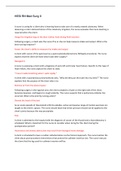
NURS 1140 Pharm test guide newest
review
drug - ANS any chemical that affects the physiologic processes of a living organism
pharmacology - ANS study of drugs
drug therapy - ANS biological therapy that uses medications
diet therapy - ANS treatment with a special diet (low salt for patients with cardiovascular
disease)
physiotherapy - ANS treatment with physical forces from nature, like water light or heat
psychological therapy - ANS the identification of stressors and methods that can be used to
reduce or eliminate stress
chemical name - ANS Describes the drug's chemical composition and molecular structure
generic name - ANS nonproprietary name of a drug assigned by the government (United
States Adopted Names Council)
trade name - ANS Proprietary name of a drug assigned by the manufacturer; also called the
brand name or product name; drug has registered trademark, use of name restricted by drug's
patent owner (usually manufacturer)
Diarrhea - ANS passage of stool with abnormally increased frequency, fluidity
diarrhea causes - ANS medication side affects, viruses, diet
constipation - ANS abnormal infrequent & difficult passage of feces through lower GI tract
constipation cause - ANS side effects of meds, overly sedentary lives, diet (not enough fiber)
peristalsis - ANS muscular contractions in intestines and colon that moves food along;
involuntary
antidiarrheal medications - ANS adsorbents
anticholinergics
opiates
,probiotics and intestinal flora modifiers
antidiarrheal mnemonic - ANS All (adsorbents)
Animals (anticolinergics)
Openly (opiates)
Poop (probiotics
Adsorbents - ANS coat wall of GI tract ->
cause bacteria/ toxin to bind to adsorbent surface->
cause harmful substance to leave body
mech of action - ANS how medicine works in body to produce desired affects
anticolinergics - ANS 1) reduce the rhythmic peristalsis movement of intestines -> decreased
movement
2) reduce gastric secretions -> cause drying effect
opiates - ANS 1) increase the transit time of food through the bowel -> reduce bowel motility
-> increases absorptions of fluids from intestines
2) reduce the intestinal and rectal pain from diarrhea
probiotics/intestinal modifiers - ANS 1) replenish the guts normal bacterial flora -> helps
suppress the growth of bad "diarrhea causing" bacteria
2) used with antibiotics
Laxative medications - ANS bulk-forming
emollient
hyper-osmotic
saline
stimulant
peripherally acting opioid antagonists
laxatives: mush - ANS emollient
hyper-osmotic
saline
laxatives: push - ANS bulk-forming stimulant
peripherally acting opioid antagonists
mush - ANS softening the stool
push - ANS stimulating the intestines
bulk-forming laxatives - ANS function like fiber in the diet
, absorb water into intestine -> increase bulk and distend bowel -> cause reflect bowel activity ->
bowel movement
emollient laxatives - ANS stool softeners/lubricants
1) lower surface tension of gi fluids -> more water/fat are absorbed into stool -> easier to have
bowel movement
2) lubricate fecal matter/intestines -> prevent reabsorption of water in intestines -> water softens
stool -> causes bowel distention/peristalsis -> bowel movement
hyper-osmotic laxatives - ANS increase fecal water content -> cause bowel distention ->
bowel movement
saline laxatives - ANS enema
inhibits water absorptions -> increased osmotic pressure in small absorption -> increased water
and saline into bowel -> watery stool -> bowel movement
stimulant laxatives - ANS 1) stimulate nerves that innervate the intestines -> increased
peristalsis -> bowel movement
2) increase fluid in colon -> increase bulk of stool -> bowel movement
peripherally acting opioid antagonists - ANS constipation related to opioid use and bowel
resection surgery only
blocks entrance of opioid into bowel cells -> allows bowel to function normally
autonomic nervous system - ANS involuntary
controls internal organs
sympathetic n.s. - ANS fight or flight
fast
"survival functions speed up, secondary functions stop"
parasympathetic n.s. - ANS rest and digest
slow
acetylcholine - ANS neurotransmitter
parasympathetic n.s.
binds to cholinergic receptors
cholinergics - ANS activation of cholinergic receptors causes parasympathetic reaction (rest
and digest)
contraction of bladder = increased urinary elimination
parasympathommetics
anticholinergics - ANS anti cholinergic = anti acetylcholine
review
drug - ANS any chemical that affects the physiologic processes of a living organism
pharmacology - ANS study of drugs
drug therapy - ANS biological therapy that uses medications
diet therapy - ANS treatment with a special diet (low salt for patients with cardiovascular
disease)
physiotherapy - ANS treatment with physical forces from nature, like water light or heat
psychological therapy - ANS the identification of stressors and methods that can be used to
reduce or eliminate stress
chemical name - ANS Describes the drug's chemical composition and molecular structure
generic name - ANS nonproprietary name of a drug assigned by the government (United
States Adopted Names Council)
trade name - ANS Proprietary name of a drug assigned by the manufacturer; also called the
brand name or product name; drug has registered trademark, use of name restricted by drug's
patent owner (usually manufacturer)
Diarrhea - ANS passage of stool with abnormally increased frequency, fluidity
diarrhea causes - ANS medication side affects, viruses, diet
constipation - ANS abnormal infrequent & difficult passage of feces through lower GI tract
constipation cause - ANS side effects of meds, overly sedentary lives, diet (not enough fiber)
peristalsis - ANS muscular contractions in intestines and colon that moves food along;
involuntary
antidiarrheal medications - ANS adsorbents
anticholinergics
opiates
,probiotics and intestinal flora modifiers
antidiarrheal mnemonic - ANS All (adsorbents)
Animals (anticolinergics)
Openly (opiates)
Poop (probiotics
Adsorbents - ANS coat wall of GI tract ->
cause bacteria/ toxin to bind to adsorbent surface->
cause harmful substance to leave body
mech of action - ANS how medicine works in body to produce desired affects
anticolinergics - ANS 1) reduce the rhythmic peristalsis movement of intestines -> decreased
movement
2) reduce gastric secretions -> cause drying effect
opiates - ANS 1) increase the transit time of food through the bowel -> reduce bowel motility
-> increases absorptions of fluids from intestines
2) reduce the intestinal and rectal pain from diarrhea
probiotics/intestinal modifiers - ANS 1) replenish the guts normal bacterial flora -> helps
suppress the growth of bad "diarrhea causing" bacteria
2) used with antibiotics
Laxative medications - ANS bulk-forming
emollient
hyper-osmotic
saline
stimulant
peripherally acting opioid antagonists
laxatives: mush - ANS emollient
hyper-osmotic
saline
laxatives: push - ANS bulk-forming stimulant
peripherally acting opioid antagonists
mush - ANS softening the stool
push - ANS stimulating the intestines
bulk-forming laxatives - ANS function like fiber in the diet
, absorb water into intestine -> increase bulk and distend bowel -> cause reflect bowel activity ->
bowel movement
emollient laxatives - ANS stool softeners/lubricants
1) lower surface tension of gi fluids -> more water/fat are absorbed into stool -> easier to have
bowel movement
2) lubricate fecal matter/intestines -> prevent reabsorption of water in intestines -> water softens
stool -> causes bowel distention/peristalsis -> bowel movement
hyper-osmotic laxatives - ANS increase fecal water content -> cause bowel distention ->
bowel movement
saline laxatives - ANS enema
inhibits water absorptions -> increased osmotic pressure in small absorption -> increased water
and saline into bowel -> watery stool -> bowel movement
stimulant laxatives - ANS 1) stimulate nerves that innervate the intestines -> increased
peristalsis -> bowel movement
2) increase fluid in colon -> increase bulk of stool -> bowel movement
peripherally acting opioid antagonists - ANS constipation related to opioid use and bowel
resection surgery only
blocks entrance of opioid into bowel cells -> allows bowel to function normally
autonomic nervous system - ANS involuntary
controls internal organs
sympathetic n.s. - ANS fight or flight
fast
"survival functions speed up, secondary functions stop"
parasympathetic n.s. - ANS rest and digest
slow
acetylcholine - ANS neurotransmitter
parasympathetic n.s.
binds to cholinergic receptors
cholinergics - ANS activation of cholinergic receptors causes parasympathetic reaction (rest
and digest)
contraction of bladder = increased urinary elimination
parasympathommetics
anticholinergics - ANS anti cholinergic = anti acetylcholine