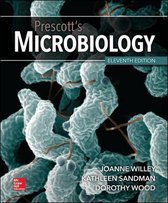
Test Bank For Prescott's
il il il
Microbiology
il
Microbiology11th Edition
il il
il
By Willey Chapter 1-43
il il il il
|Complete Guide A+
il il il
,Prescott's Microbiology, 11e (Willey) il il il
Chapter 1 The Evolution of Microorganisms and Microbiology
il il il il il il
1) Extant microorganisms are organisms from the fossil record that are no longer present on
il il il il il il il il il il il il il
Earthtoday.
il il
Answer: FALSE
Topic: Taxonomy of Microorganisms il i l
Bloom's/Accessibility: 2. Understand / Keyboard
il il il il
NavigationASM Topic: Module 01 Evolution
il il il il il
ASM Objective: 01.05 The evolutionary relatedness of organisms is best reflected
il il il il il il il il il
inphylogenetic trees.
il il il
Learning Outcome: 01.02a Propose a timeline of the origin and history of microbial life
il il il il il il il il il il il il
andintegrate supporting evidence into it
il il il il il il
2) All cellular organisms can be placed into one of three
il il il il il il il il il , which include the
il il il
Bacteria,Archaea, and the Eukarya.
il il il il il
Answer: domains
Topic: Taxonomy of Microorganisms il i l
Bloom's/Accessibility: 2. Understand / Keyboard
il il il il
NavigationASM Topic: Module 01 Evolution
il il il il il
ASM Objective: 01.05 The evolutionary relatedness of organisms is best reflected
il il il il il il il il il
inphylogenetic trees.
il il il
Learning Outcome: 01.01b Explain Carl Woeses contributions in establishing the three-
il il il il il il il il il
domainsystem for classifying cellular life
il il il il il
3) Archaea are cellular organisms that have unique cell membrane
il il il il il il il il .
Answer: lipids
Topic: Archaea
il
Bloom's/Accessibility: 1. Remember / Keyboard il il il
NavigationASM Topic: Module 02 Cell Structure and
il il il il il il il
Function
il
ASM Objective: 02.03 Bacteria and Archaea have specialized structures (e.g.
il il il il il il il il
flagella,endospores, and pili) that often confer critical capabilities.
il il il il il il il il il
Learning Outcome: 01.01c Determine the type of microbe (e.g., bacterium, fungus, etc.)
il il il il il il il il il il
whengiven a description of a newly discovered one
il il il il il il il il il
1
,4) Microbiologists study a variety of organisms, but all are considered either Bacteria or Archaea.
il il il il il il il il il il il il il
Answer: FALSE
Topic: Taxonomy of Microorganisms il i l
Bloom's/Accessibility: 2. Understand / Keyboard
il il il il
NavigationASM Topic: Module 05 Microbial Systems
il il il il il il
ASM Objective: 05.04 Microorganisms, cellular and viral, can interact with both human
il il il il il il il il il il
andnonhuman hosts in beneficial, neutral or detrimental ways.
il il il il il il il il il
Learning Outcome: 01.01a Define the term microbiology
il il il il il
5) All eukaryotes have a membrane-delimited nucleus.
il il il il il
Answer: TRUE
Topic: Taxonomy of Microorganisms il i l
Bloom's/Accessibility: 2. Understand / Keyboard
il il il il
NavigationASM Topic: Module 02 Cell Structure and
il il il il il il il
Function
il
ASM Objective: 02.04 While microscopic eukaryotes (for example, fungi, protozoa and algae)
il il il il il il il il il il
carry out some of the same processes as bacteria, many of the cellular properties are
il il il il il il il il il il il il il il il
fundamentallydifferent.
il il
Learning Outcome: 01.01c Determine the type of microbe (e.g., bacterium, fungus, etc.)
il il il il il il il il il il
whengiven a description of a newly discovered one
il il il il il il il il il
6) Viruses are not generally studied by microbiologists because they are not classified as
il il il il il il il il il il il il
livingorganisms.
il il
Answer: FALSE
Topic: Taxonomy of Microorganisms il i l
Bloom's/Accessibility: 2. Understand / Keyboard
il il il il
NavigationASM Topic: Module 05 Microbial Systems
il il il il il il
ASM Objective: 02.05 The replication cycles of viruses (lytic and lysogenic) differ
il il il il il il il il il il
amongviruses and are determined by their unique structures and genomes.
il il il il il il il il il il il
Learning Outcome: 01.01a Define the term microbiology
il il il il il
7) Viruses constitute the fourth domain of life in current biological classification schemes.
il il il il il il il il il il il
Answer: FALSE
Topic: Taxonomy of Microorganisms il i l
Bloom's/Accessibility: 2. Understand / Keyboard
il il il il
NavigationASM Topic: Module 01 Evolution
il il il il il
ASM Objective: 01.05 The evolutionary relatedness of organisms is best reflected
il il il il il il il il il
inphylogenetic trees.
il il il
Learning Outcome: 01.01b Explain Carl Woeses contributions in establishing the three-
il il il il il il il il il
domainsystem for classifying cellular life
il il il il il
2
, 8) Protists contain all of the following forms of life EXCEPT
il il il il il il il il il .
A) protozoa
B) fungi
C) slime molds il
D) algae
Answer: B
Topic: Taxonomy of Microorganisms il il
Bloom's/Accessibility: 1. Remember / Keyboard
il il il il
NavigationASM Topic: Module 01 Evolution
il il il il il
ASM Objective: 01.05 The evolutionary relatedness of organisms is best reflected
il il il il il il il il il
inphylogenetic trees.
il il il
Learning Outcome: 01.01b Explain Carl Woeses contributions in establishing the three-
il il il il il il il il il
domainsystem for classifying cellular life
il il il il il
9) Cells with a relatively complex morphology that have a true membrane-delimited nucleus
il il il il il il il il il il il
arecalled
il il .
A) prokaryotes
B) eukaryotes
C) urkaryotes
D) nokaryotes
Answer: B
Topic: Taxonomy of Microorganisms il i l
Bloom's/Accessibility: 2. Understand / Keyboard
il il il il
NavigationASM Topic: Module 02 Cell Structure and
il il il il il il il
Function
il
ASM Objective: 02.04 While microscopic eukaryotes (for example, fungi, protozoa and algae)
il il il il il il il il il il
carry out some of the same processes as bacteria, many of the cellular properties are
il il il il il il il il il il il il il il il
fundamentallydifferent.
il il
Learning Outcome: 01.01c Determine the type of microbe (e.g., bacterium, fungus, etc.)
il il il il il il il il il il
whengiven a description of a newly discovered one
il il il il il il il il il
3
il il il
Microbiology
il
Microbiology11th Edition
il il
il
By Willey Chapter 1-43
il il il il
|Complete Guide A+
il il il
,Prescott's Microbiology, 11e (Willey) il il il
Chapter 1 The Evolution of Microorganisms and Microbiology
il il il il il il
1) Extant microorganisms are organisms from the fossil record that are no longer present on
il il il il il il il il il il il il il
Earthtoday.
il il
Answer: FALSE
Topic: Taxonomy of Microorganisms il i l
Bloom's/Accessibility: 2. Understand / Keyboard
il il il il
NavigationASM Topic: Module 01 Evolution
il il il il il
ASM Objective: 01.05 The evolutionary relatedness of organisms is best reflected
il il il il il il il il il
inphylogenetic trees.
il il il
Learning Outcome: 01.02a Propose a timeline of the origin and history of microbial life
il il il il il il il il il il il il
andintegrate supporting evidence into it
il il il il il il
2) All cellular organisms can be placed into one of three
il il il il il il il il il , which include the
il il il
Bacteria,Archaea, and the Eukarya.
il il il il il
Answer: domains
Topic: Taxonomy of Microorganisms il i l
Bloom's/Accessibility: 2. Understand / Keyboard
il il il il
NavigationASM Topic: Module 01 Evolution
il il il il il
ASM Objective: 01.05 The evolutionary relatedness of organisms is best reflected
il il il il il il il il il
inphylogenetic trees.
il il il
Learning Outcome: 01.01b Explain Carl Woeses contributions in establishing the three-
il il il il il il il il il
domainsystem for classifying cellular life
il il il il il
3) Archaea are cellular organisms that have unique cell membrane
il il il il il il il il .
Answer: lipids
Topic: Archaea
il
Bloom's/Accessibility: 1. Remember / Keyboard il il il
NavigationASM Topic: Module 02 Cell Structure and
il il il il il il il
Function
il
ASM Objective: 02.03 Bacteria and Archaea have specialized structures (e.g.
il il il il il il il il
flagella,endospores, and pili) that often confer critical capabilities.
il il il il il il il il il
Learning Outcome: 01.01c Determine the type of microbe (e.g., bacterium, fungus, etc.)
il il il il il il il il il il
whengiven a description of a newly discovered one
il il il il il il il il il
1
,4) Microbiologists study a variety of organisms, but all are considered either Bacteria or Archaea.
il il il il il il il il il il il il il
Answer: FALSE
Topic: Taxonomy of Microorganisms il i l
Bloom's/Accessibility: 2. Understand / Keyboard
il il il il
NavigationASM Topic: Module 05 Microbial Systems
il il il il il il
ASM Objective: 05.04 Microorganisms, cellular and viral, can interact with both human
il il il il il il il il il il
andnonhuman hosts in beneficial, neutral or detrimental ways.
il il il il il il il il il
Learning Outcome: 01.01a Define the term microbiology
il il il il il
5) All eukaryotes have a membrane-delimited nucleus.
il il il il il
Answer: TRUE
Topic: Taxonomy of Microorganisms il i l
Bloom's/Accessibility: 2. Understand / Keyboard
il il il il
NavigationASM Topic: Module 02 Cell Structure and
il il il il il il il
Function
il
ASM Objective: 02.04 While microscopic eukaryotes (for example, fungi, protozoa and algae)
il il il il il il il il il il
carry out some of the same processes as bacteria, many of the cellular properties are
il il il il il il il il il il il il il il il
fundamentallydifferent.
il il
Learning Outcome: 01.01c Determine the type of microbe (e.g., bacterium, fungus, etc.)
il il il il il il il il il il
whengiven a description of a newly discovered one
il il il il il il il il il
6) Viruses are not generally studied by microbiologists because they are not classified as
il il il il il il il il il il il il
livingorganisms.
il il
Answer: FALSE
Topic: Taxonomy of Microorganisms il i l
Bloom's/Accessibility: 2. Understand / Keyboard
il il il il
NavigationASM Topic: Module 05 Microbial Systems
il il il il il il
ASM Objective: 02.05 The replication cycles of viruses (lytic and lysogenic) differ
il il il il il il il il il il
amongviruses and are determined by their unique structures and genomes.
il il il il il il il il il il il
Learning Outcome: 01.01a Define the term microbiology
il il il il il
7) Viruses constitute the fourth domain of life in current biological classification schemes.
il il il il il il il il il il il
Answer: FALSE
Topic: Taxonomy of Microorganisms il i l
Bloom's/Accessibility: 2. Understand / Keyboard
il il il il
NavigationASM Topic: Module 01 Evolution
il il il il il
ASM Objective: 01.05 The evolutionary relatedness of organisms is best reflected
il il il il il il il il il
inphylogenetic trees.
il il il
Learning Outcome: 01.01b Explain Carl Woeses contributions in establishing the three-
il il il il il il il il il
domainsystem for classifying cellular life
il il il il il
2
, 8) Protists contain all of the following forms of life EXCEPT
il il il il il il il il il .
A) protozoa
B) fungi
C) slime molds il
D) algae
Answer: B
Topic: Taxonomy of Microorganisms il il
Bloom's/Accessibility: 1. Remember / Keyboard
il il il il
NavigationASM Topic: Module 01 Evolution
il il il il il
ASM Objective: 01.05 The evolutionary relatedness of organisms is best reflected
il il il il il il il il il
inphylogenetic trees.
il il il
Learning Outcome: 01.01b Explain Carl Woeses contributions in establishing the three-
il il il il il il il il il
domainsystem for classifying cellular life
il il il il il
9) Cells with a relatively complex morphology that have a true membrane-delimited nucleus
il il il il il il il il il il il
arecalled
il il .
A) prokaryotes
B) eukaryotes
C) urkaryotes
D) nokaryotes
Answer: B
Topic: Taxonomy of Microorganisms il i l
Bloom's/Accessibility: 2. Understand / Keyboard
il il il il
NavigationASM Topic: Module 02 Cell Structure and
il il il il il il il
Function
il
ASM Objective: 02.04 While microscopic eukaryotes (for example, fungi, protozoa and algae)
il il il il il il il il il il
carry out some of the same processes as bacteria, many of the cellular properties are
il il il il il il il il il il il il il il il
fundamentallydifferent.
il il
Learning Outcome: 01.01c Determine the type of microbe (e.g., bacterium, fungus, etc.)
il il il il il il il il il il
whengiven a description of a newly discovered one
il il il il il il il il il
3