Adult Health Exam 1
Lab tests
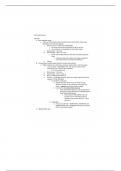
A. Basic metabolic panel
a. There are 8 tests that provide information about renal function, blood sugar,
electrolytes, and acid-base balance
i. Renal function → BUN and CREATININE
1. As well as urine output; supposed to be 30 mL an hour
2. Urine output is in correspondence with cardiac output
ii. Blood sugar → Glucose
iii. Electrolytes → Na, K, Cl, CO2
1. Person with impaired kidneys would have increased potassium
levels
a. Potassium deals with cardiac, and cardiac is related to
urine output which is a function of the kidneys
iv. Calcium
B. Comprehensive medical panel (adds liver function and proteins)
a. Reflects kidney, liver, electrolyte, acid-base, blood proteins, and blood sugar
i. Liver function → BILIRUBIN, AST, ALT (these values would
increase if liver function was impaired)
1. LFT= liver function test
ii. Blood sugar → Glucose
iii. Electrolytes → Na, K, CO2, Cl
iv. Renal → BUN and Creatinine
v. Proteins → ALBUMIN (osmotic pressure, helps keep fluids within
vessels), TOTAL PROTEIN
1. Low protein= low albumin
a. People with low albumin do not have enough
albumin to keep in the vessels so they get very
large → ascites; aka. African children’s bellies
b. Low albumin also drops blood pressure
i. When administered albumin, it will increase blood
pressure by pooling fluid from the interstitial spaces
back into the blood vessels
1. When patient has EDEMA fluid has
moved into the interstitial spaces,
therefore having low albumin → give
albumin!!
2. OVERVIEW
a. If you give albumin→ EDEMA WILL DECREASE and
URINE OUTPUT WILL INCREASE (because increased
fluid in the blood vessels)
C. HEMATOCRIT (Hct)
, a. Hematocrit is the volume of packed RBC in 100 mL of blood (expressed as a
percentage)
b. Values will vary depending on gender and age
i. Women= lower values
ii. Age= decreases values
c. Hematocrit is 3X the hemoglobin value
d. Value will DECREASE through blood loss
i. Anemia, cancer, cirrhosis, malnutrition, Vitamin B and C deficiency,
leukemia, renal failure, GI bleed, birth
ii. DRUGS → penicillin may cause decreased value
e. Values will INCREASE when dehydrated (decreased fluid volume), hypovolemia,
and polycythemia vera
f. CRITICAL VALUE → less than 15%
D. HEMOGLOBIN (Hb)
a. Hemoglobin is a protein substance in RBC that is composed of heme (IRON,
WHICH CARRIES OXYGEN), and globin
i. Oxygen carrying capacity
b. Abnormal values occur with gender and age
c. Value will DECREASES are related to clinical problems
i. Anemia, cancers, kidney disease, excess IV fluids
d. INCREASED values may indicate hemoconcentration resulting from dehydration,
polycythemia, high altitudes, and COPD
e. Too LITTLE Hb puts a strain on cardiopulmonary system to maintain the oxygen-
carrying capacity
i. Puts patient at risk for angina, heart attack, heart failure
f. If to HIGH → it is related to excess RBC’s, intravascular sludging occurs,
leading to stroke and organ infarction
g. CRITICAL VALUE is less than 5
i. If you have a Hg of 8 you will see a LOWER oxygen level, and heart rate
will be ELEVATED (to compensate)
h. All based on clinical judgement
i. For example a chemo patients norm may be high
i. NURSING RESPONSIBILITIES
i. Assess for signs and symptoms of anemia (fatigue, pallor, tachycardia)
ii. Assess for changes in vital signs for shock (tachycardia, tachypnea,
decreased blood pressure)
iii. Recommend a repeat Hb and Hct after moderate or severe bleeding or
transfusions
1. A hematocrit taken immediately after blood loss and after
transfusions may appear normal)
2. If patient has GI bleed, serial H/H
iv. Assess for signs and symptoms of dehydration, hypovolemia (hx of
vomiting, diarrhea, marked thirst, poor skin turgor, shock-like symptoms)
v. Assess for changes in urinary output
Lab tests
A. Basic metabolic panel
a. There are 8 tests that provide information about renal function, blood sugar,
electrolytes, and acid-base balance
i. Renal function → BUN and CREATININE
1. As well as urine output; supposed to be 30 mL an hour
2. Urine output is in correspondence with cardiac output
ii. Blood sugar → Glucose
iii. Electrolytes → Na, K, Cl, CO2
1. Person with impaired kidneys would have increased potassium
levels
a. Potassium deals with cardiac, and cardiac is related to
urine output which is a function of the kidneys
iv. Calcium
B. Comprehensive medical panel (adds liver function and proteins)
a. Reflects kidney, liver, electrolyte, acid-base, blood proteins, and blood sugar
i. Liver function → BILIRUBIN, AST, ALT (these values would
increase if liver function was impaired)
1. LFT= liver function test
ii. Blood sugar → Glucose
iii. Electrolytes → Na, K, CO2, Cl
iv. Renal → BUN and Creatinine
v. Proteins → ALBUMIN (osmotic pressure, helps keep fluids within
vessels), TOTAL PROTEIN
1. Low protein= low albumin
a. People with low albumin do not have enough
albumin to keep in the vessels so they get very
large → ascites; aka. African children’s bellies
b. Low albumin also drops blood pressure
i. When administered albumin, it will increase blood
pressure by pooling fluid from the interstitial spaces
back into the blood vessels
1. When patient has EDEMA fluid has
moved into the interstitial spaces,
therefore having low albumin → give
albumin!!
2. OVERVIEW
a. If you give albumin→ EDEMA WILL DECREASE and
URINE OUTPUT WILL INCREASE (because increased
fluid in the blood vessels)
C. HEMATOCRIT (Hct)
, a. Hematocrit is the volume of packed RBC in 100 mL of blood (expressed as a
percentage)
b. Values will vary depending on gender and age
i. Women= lower values
ii. Age= decreases values
c. Hematocrit is 3X the hemoglobin value
d. Value will DECREASE through blood loss
i. Anemia, cancer, cirrhosis, malnutrition, Vitamin B and C deficiency,
leukemia, renal failure, GI bleed, birth
ii. DRUGS → penicillin may cause decreased value
e. Values will INCREASE when dehydrated (decreased fluid volume), hypovolemia,
and polycythemia vera
f. CRITICAL VALUE → less than 15%
D. HEMOGLOBIN (Hb)
a. Hemoglobin is a protein substance in RBC that is composed of heme (IRON,
WHICH CARRIES OXYGEN), and globin
i. Oxygen carrying capacity
b. Abnormal values occur with gender and age
c. Value will DECREASES are related to clinical problems
i. Anemia, cancers, kidney disease, excess IV fluids
d. INCREASED values may indicate hemoconcentration resulting from dehydration,
polycythemia, high altitudes, and COPD
e. Too LITTLE Hb puts a strain on cardiopulmonary system to maintain the oxygen-
carrying capacity
i. Puts patient at risk for angina, heart attack, heart failure
f. If to HIGH → it is related to excess RBC’s, intravascular sludging occurs,
leading to stroke and organ infarction
g. CRITICAL VALUE is less than 5
i. If you have a Hg of 8 you will see a LOWER oxygen level, and heart rate
will be ELEVATED (to compensate)
h. All based on clinical judgement
i. For example a chemo patients norm may be high
i. NURSING RESPONSIBILITIES
i. Assess for signs and symptoms of anemia (fatigue, pallor, tachycardia)
ii. Assess for changes in vital signs for shock (tachycardia, tachypnea,
decreased blood pressure)
iii. Recommend a repeat Hb and Hct after moderate or severe bleeding or
transfusions
1. A hematocrit taken immediately after blood loss and after
transfusions may appear normal)
2. If patient has GI bleed, serial H/H
iv. Assess for signs and symptoms of dehydration, hypovolemia (hx of
vomiting, diarrhea, marked thirst, poor skin turgor, shock-like symptoms)
v. Assess for changes in urinary output