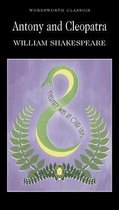
ANTONY
Philo: “… like plated Mars” (1/1/4) Mars = Roman god of war. A is strongly associated w/ Mars.
Philo: “The triple pillar of the world transformed / Into a strumpet’s fool” (1/1/12-13) Roman view is
that A is ruining the triumvirate. Derogatory, disrespectful to both A and C.
“There’s beggary in the love that can be reckoned” (1/1/15) Their love is transcendent.
“Let Rome in Tiber melt, and the wide arch / Of the ranged empire fall. Here is my space” (1/1/33-34)
NB quote! A says he belongs in Egypt. Dissolution theme.
Cleo: “Antony / Will be himself” (1/1/42-43) imp. As play progresses – A is not himself anymore.
“Speak to me home, mince not the general tongue, / Name Cleopatra as she is called in Rome”
(1/2/95-96) Knows C has a bad reputation in Rome.
“These strong Egyptian fetters I must break / Or lose myself in dotage” (1/2/106-107) I need to break
free from C, otherwise I’ll get more and more stupid, never be a good soldier etc.
“I must from this enchanting queen break off” (1/2/118)
“my full heart / Remains in use with you” (1/3/41-42) To C.
“I go from hence / Thy soldier, servant, making peace or war / As thou affects” (1/3/68-70) I’ll do
whatever you want me to.
Cleo: “this Herculean Roman” (1/3/84)
Caesar: “… is not more manlike / Than Cleopatra, nor the queen of Ptolemy / More womanly than
he.” (1/4/5-7) C is manly, he is womanly: they are equals.
Caesar: “a man who is the abstract of all faults / That all men follow” (1/4/9-10)
Caesar: “lascivious wassails” (1/4/55) I.e. sensuous partying
Cleo: “The demi-atlas of this earth, the arm / And burgonet of men.” (1/5/23-24) A bears half the weight
of the world on his shoulders (Roman half). Arm = power, burgonet = helmet (safety)
, Cleo: “My man of men.” (1/5/71)
“The honour is sacred” (2/2/85) Typically Roman attitude.
“… when poisoned hours has bound me up / From mine own knowledge” (2/2/90-91) He is not
completely himself with C. Defending himself to Caesar.
Agrippa: “The best of men” (2/2/128) Even Agrippa, who is Caesar’s friend, not Ant.’s, speaks highly of Ant.
Enobarbus: “… pays his heart / For what his eyes eat only” (2/2/221-222) Gave his heart to C.
Soothsayer: “Thy demon… is / Noble, courageous, high, unmatchable / Where Caesar’s is not.”
(2/3/21-23)
Soothsayer: “Thou art sure to lose” (2/3/27) Against Ca.
“I will to Egypt” (2/3/39)
“And, though I make this marriage for my peace / I’th’East my pleasure lies.” (2/3/40-41) Marriage to
reconcile w/ Caesar, but I belong w/ Cleo. Public duty and private life.
Eno: “He will to his / Egyptian dish again” (2/6/118-119)
Eno: “He married but his occasion here” (2/6/122) He just married O bc it was politically expedient.
Lepidus to A: “Your serpent of Egypt is bred now of your mud by the operation of / your sun; so
is your crocodile” (2/7/21-22) serpent = positive (power, fertility, regeneration etc. but also poison).
Crocodile = symbol of A + Cl relationship. A’s feelings for Cl borne out of ‘mud’ of Egypt (fertility, health
etc)
“thy grand captain Antony” (3/1/9)
“Make me not offended / In your distrust” (3/1/31-32) To Ca, about Ca doubting A’s faithfulness to
Octavia. Don’t offend me by not trusting me.
“If I lose mine honour, / I lose myself” (3/4/22-23) NB: theme of honour + dissolution.
“He hath given his empire / Up to a whore” (3/6/66-67) Said by Ca.
“th’adulterous Antony”
Philo: “… like plated Mars” (1/1/4) Mars = Roman god of war. A is strongly associated w/ Mars.
Philo: “The triple pillar of the world transformed / Into a strumpet’s fool” (1/1/12-13) Roman view is
that A is ruining the triumvirate. Derogatory, disrespectful to both A and C.
“There’s beggary in the love that can be reckoned” (1/1/15) Their love is transcendent.
“Let Rome in Tiber melt, and the wide arch / Of the ranged empire fall. Here is my space” (1/1/33-34)
NB quote! A says he belongs in Egypt. Dissolution theme.
Cleo: “Antony / Will be himself” (1/1/42-43) imp. As play progresses – A is not himself anymore.
“Speak to me home, mince not the general tongue, / Name Cleopatra as she is called in Rome”
(1/2/95-96) Knows C has a bad reputation in Rome.
“These strong Egyptian fetters I must break / Or lose myself in dotage” (1/2/106-107) I need to break
free from C, otherwise I’ll get more and more stupid, never be a good soldier etc.
“I must from this enchanting queen break off” (1/2/118)
“my full heart / Remains in use with you” (1/3/41-42) To C.
“I go from hence / Thy soldier, servant, making peace or war / As thou affects” (1/3/68-70) I’ll do
whatever you want me to.
Cleo: “this Herculean Roman” (1/3/84)
Caesar: “… is not more manlike / Than Cleopatra, nor the queen of Ptolemy / More womanly than
he.” (1/4/5-7) C is manly, he is womanly: they are equals.
Caesar: “a man who is the abstract of all faults / That all men follow” (1/4/9-10)
Caesar: “lascivious wassails” (1/4/55) I.e. sensuous partying
Cleo: “The demi-atlas of this earth, the arm / And burgonet of men.” (1/5/23-24) A bears half the weight
of the world on his shoulders (Roman half). Arm = power, burgonet = helmet (safety)
, Cleo: “My man of men.” (1/5/71)
“The honour is sacred” (2/2/85) Typically Roman attitude.
“… when poisoned hours has bound me up / From mine own knowledge” (2/2/90-91) He is not
completely himself with C. Defending himself to Caesar.
Agrippa: “The best of men” (2/2/128) Even Agrippa, who is Caesar’s friend, not Ant.’s, speaks highly of Ant.
Enobarbus: “… pays his heart / For what his eyes eat only” (2/2/221-222) Gave his heart to C.
Soothsayer: “Thy demon… is / Noble, courageous, high, unmatchable / Where Caesar’s is not.”
(2/3/21-23)
Soothsayer: “Thou art sure to lose” (2/3/27) Against Ca.
“I will to Egypt” (2/3/39)
“And, though I make this marriage for my peace / I’th’East my pleasure lies.” (2/3/40-41) Marriage to
reconcile w/ Caesar, but I belong w/ Cleo. Public duty and private life.
Eno: “He will to his / Egyptian dish again” (2/6/118-119)
Eno: “He married but his occasion here” (2/6/122) He just married O bc it was politically expedient.
Lepidus to A: “Your serpent of Egypt is bred now of your mud by the operation of / your sun; so
is your crocodile” (2/7/21-22) serpent = positive (power, fertility, regeneration etc. but also poison).
Crocodile = symbol of A + Cl relationship. A’s feelings for Cl borne out of ‘mud’ of Egypt (fertility, health
etc)
“thy grand captain Antony” (3/1/9)
“Make me not offended / In your distrust” (3/1/31-32) To Ca, about Ca doubting A’s faithfulness to
Octavia. Don’t offend me by not trusting me.
“If I lose mine honour, / I lose myself” (3/4/22-23) NB: theme of honour + dissolution.
“He hath given his empire / Up to a whore” (3/6/66-67) Said by Ca.
“th’adulterous Antony”