Evaluation and proposals to reform (improve) NFO’s
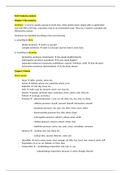
Problems with the current law Law Commission proposals for
reform 2015 (based on the New
Labour Governments 1998 draft bill
to reform the NFO’s)
ASSAULT & BATTERY ARE OUTSIDE OF THE ACT The LC has proposed repealing the 1861 Act and putting both
(OAPA 1861) the old common law and statutory provisions in one new
The 5 NFO’s have different sources. Assault & battery statute/code- this is effectively codification.
are common law offences whereas S47 ABH, S20
Malicious wounding & GBH and contained in a statutes,
the Offences against the Person Act 1861. This is
problematic as the law is hard to access (find) and use.
This is because the 1861 Act was a consolidation Act
bringing together many different offences from different
acts into one statute. This is why Professor Smith has
describe the law on NFO’s as being a “ragbag of
offences”
OUTDATED STATUTE For over 25 years there have been calls to overhaul (carry out
3 of the NFO’s are contained in an antiquated and wholesale reform of) the NFO’s. The LC in its 1993 and 2015
outdated statute (The Offences against the Person Act reports and the Labour Government in 1998 (in a draft bill)
1961), which is over 150 years old. Today, there are proposed putting the offences in one single act of Parliament
to improve accessibility and to modernise the law.
more sections of the statute which have been repealed
than remain in force. However, 3 very common offences
remain within this statute (there are over 26,000
prosecutions under both the 1861 Act and under S39 of
the CJA 1988 each year).
Professor Ashworth (legal academic) said that there is
“an overwhelming case for reform”.
ACT IS OVER 150 YEARS OLD- LANGUAGE HAS The Law Commission’s 2015 proposals to reform the NFO’s
CHANGED:- would use the word “cause” across the offences and would
The language used in the definitions (explaining AR and use modern language which is easy to understand. “Assault”
MR) of the NFO’s is unclear and old fashioned. The will become “threatened assault” which explains the old idea of
“apprehension” better. “Battery” will become “physical assault”
language in the 1861 Act dates back to early Victorian which makes the AR of the offence much clearer.
times and is not the language, which people would use
today. This makes the sections of the Act hard to
understand. They have required interpretation by judges
in cases (e.g. Saunders explained that maliciously does
not mean nastily- it means a S20 offence can be
committed with intention or recklessness- it has a
different meaning today). All of the offences use
different verbs for the AR requirements… assault uses
causing, S47 uses occasioning, S20 uses inflicting etc.
All of these verbs mean causing.
HIERARCHICAL STRUCTURE (structure of offences) The LC suggests a new hierarchy of offences and creating a
MAKES NO SENSE & OFFENCES ARE NOT new offence of aggravated assault, a summary offence (triable
SEQUENTIAL:- only in the Magistrates’ Courts) which would attract a
The 1861 Act was a consolidation act, so there is no maximum sentence of 12 months imprisonment.
This would bridge (deal with/improve) the current leap up from
clear framework or hierarchy of offences. There are assault or battery to S47 ABH.
overlaps between some offences (S47 and S20 both At present lots of people choose a crown court trial for a minor
have maximum 5- year sentences) and there seem ABH (as it is a TEW offence & they have a greater chance of
illogical and unfair leaps up in terms of the sentencing. acquittal (being let off by a jury)- Crown Court trials for minor
There is no offences between assault and battery offences are expensive and time consuming. The new offence
(maximum sentences of 6 months) and a S47 offence, of aggravated assault will ensure that more cases have their
which attracts a maximum 5- year sentence). trial in the Magistrates’ Courts.
AR AND MR REQUIREMENTS DO NOT MATCH UP The LC 2015 proposals create clearer hierarchy of
Problems with the current law Law Commission proposals for
reform 2015 (based on the New
Labour Governments 1998 draft bill
to reform the NFO’s)
ASSAULT & BATTERY ARE OUTSIDE OF THE ACT The LC has proposed repealing the 1861 Act and putting both
(OAPA 1861) the old common law and statutory provisions in one new
The 5 NFO’s have different sources. Assault & battery statute/code- this is effectively codification.
are common law offences whereas S47 ABH, S20
Malicious wounding & GBH and contained in a statutes,
the Offences against the Person Act 1861. This is
problematic as the law is hard to access (find) and use.
This is because the 1861 Act was a consolidation Act
bringing together many different offences from different
acts into one statute. This is why Professor Smith has
describe the law on NFO’s as being a “ragbag of
offences”
OUTDATED STATUTE For over 25 years there have been calls to overhaul (carry out
3 of the NFO’s are contained in an antiquated and wholesale reform of) the NFO’s. The LC in its 1993 and 2015
outdated statute (The Offences against the Person Act reports and the Labour Government in 1998 (in a draft bill)
1961), which is over 150 years old. Today, there are proposed putting the offences in one single act of Parliament
to improve accessibility and to modernise the law.
more sections of the statute which have been repealed
than remain in force. However, 3 very common offences
remain within this statute (there are over 26,000
prosecutions under both the 1861 Act and under S39 of
the CJA 1988 each year).
Professor Ashworth (legal academic) said that there is
“an overwhelming case for reform”.
ACT IS OVER 150 YEARS OLD- LANGUAGE HAS The Law Commission’s 2015 proposals to reform the NFO’s
CHANGED:- would use the word “cause” across the offences and would
The language used in the definitions (explaining AR and use modern language which is easy to understand. “Assault”
MR) of the NFO’s is unclear and old fashioned. The will become “threatened assault” which explains the old idea of
“apprehension” better. “Battery” will become “physical assault”
language in the 1861 Act dates back to early Victorian which makes the AR of the offence much clearer.
times and is not the language, which people would use
today. This makes the sections of the Act hard to
understand. They have required interpretation by judges
in cases (e.g. Saunders explained that maliciously does
not mean nastily- it means a S20 offence can be
committed with intention or recklessness- it has a
different meaning today). All of the offences use
different verbs for the AR requirements… assault uses
causing, S47 uses occasioning, S20 uses inflicting etc.
All of these verbs mean causing.
HIERARCHICAL STRUCTURE (structure of offences) The LC suggests a new hierarchy of offences and creating a
MAKES NO SENSE & OFFENCES ARE NOT new offence of aggravated assault, a summary offence (triable
SEQUENTIAL:- only in the Magistrates’ Courts) which would attract a
The 1861 Act was a consolidation act, so there is no maximum sentence of 12 months imprisonment.
This would bridge (deal with/improve) the current leap up from
clear framework or hierarchy of offences. There are assault or battery to S47 ABH.
overlaps between some offences (S47 and S20 both At present lots of people choose a crown court trial for a minor
have maximum 5- year sentences) and there seem ABH (as it is a TEW offence & they have a greater chance of
illogical and unfair leaps up in terms of the sentencing. acquittal (being let off by a jury)- Crown Court trials for minor
There is no offences between assault and battery offences are expensive and time consuming. The new offence
(maximum sentences of 6 months) and a S47 offence, of aggravated assault will ensure that more cases have their
which attracts a maximum 5- year sentence). trial in the Magistrates’ Courts.
AR AND MR REQUIREMENTS DO NOT MATCH UP The LC 2015 proposals create clearer hierarchy of