European Literary History Revision Guide
Lecture 1: Adventure
The theme of adventure is often related to literary developments in Medieval times and
highlights traditional chivalric narratives. It is a classic trope of European storytelling.
It is often the narrative of the classic, strong male hero archetype. Many times, this is in the
form of a warrior, prince or nobleman (evidenced in Lancelot and Song of Roland)
These nobleman and men of high importance personify the ancient ideals of how a man
should present himself
This basic narrative of a journey or quest can adapt and transform through time, but story
wholly remains the same
Sea travel is a reoccurring motif in Adventure literature and is especially apparent in the
Odyssey
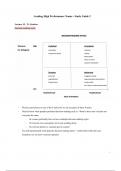
Adventure categories are divided into two categories: pre-courtly and courtly
PRE-COURTLY COURTLY
Pre-Christian Supernatural elements
Ancient epics employ this style Centres around the ideals of heroes and
heroic deeds
Characterised by the hero’s anger, passion Knightly codes of conduct
and madness
This aggressive attitude is taken as a Adherence to Christian morals and rules of
positive characteristic and exemplifies what society
being a ‘man’ or a hero entailed in this
period
Heroes of war, not of peace Reflects a shift in paradigm in early
Christian Europe
Their virtues are warrior’s virtues and A higher emphasis of being cultured and to
centralise upon loyalty and honour act with caution and restraint
They insist on their loyalties and privileges Women’s honour above their own good
The woman is seen as a prize
Example of PRE-COURTLY adventure: Song Of Roland
It centralises upon the ideas of bravery and masculinity
He sacrifices himself to God, Country and King (his sacrifice to God is only typical after the
Christianization of Europe)
These chivalric ideals are cumulative through time, and still exist alongside
competing narrative styles. Currently, they’ve transformed into ideals surrounding
respect and tribal culture
Lecture 1: Adventure
The theme of adventure is often related to literary developments in Medieval times and
highlights traditional chivalric narratives. It is a classic trope of European storytelling.
It is often the narrative of the classic, strong male hero archetype. Many times, this is in the
form of a warrior, prince or nobleman (evidenced in Lancelot and Song of Roland)
These nobleman and men of high importance personify the ancient ideals of how a man
should present himself
This basic narrative of a journey or quest can adapt and transform through time, but story
wholly remains the same
Sea travel is a reoccurring motif in Adventure literature and is especially apparent in the
Odyssey
Adventure categories are divided into two categories: pre-courtly and courtly
PRE-COURTLY COURTLY
Pre-Christian Supernatural elements
Ancient epics employ this style Centres around the ideals of heroes and
heroic deeds
Characterised by the hero’s anger, passion Knightly codes of conduct
and madness
This aggressive attitude is taken as a Adherence to Christian morals and rules of
positive characteristic and exemplifies what society
being a ‘man’ or a hero entailed in this
period
Heroes of war, not of peace Reflects a shift in paradigm in early
Christian Europe
Their virtues are warrior’s virtues and A higher emphasis of being cultured and to
centralise upon loyalty and honour act with caution and restraint
They insist on their loyalties and privileges Women’s honour above their own good
The woman is seen as a prize
Example of PRE-COURTLY adventure: Song Of Roland
It centralises upon the ideas of bravery and masculinity
He sacrifices himself to God, Country and King (his sacrifice to God is only typical after the
Christianization of Europe)
These chivalric ideals are cumulative through time, and still exist alongside
competing narrative styles. Currently, they’ve transformed into ideals surrounding
respect and tribal culture