Progressive Insanities of a Pioneer
Margaret Atwood
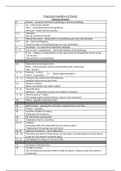
0. Pioneer – someone who starts something or invents something.
1. He – refers to the pioneer.
Point – something small and insignificant.
He stood – shows that he hesitates.
1, 2. Metaphor.
Sets up a home for himself.
3. Himself the centre – thinks that he is everything and is very self-absorbed.
4, 5. No – shows nothingness.
Shows the idea of something being very vast and limitless.
5. Anywhere – on a new line to add more emphasis.
5 – 8. Run on lines – enjambment – mimics the limitless of the landscape.
9. Ironic – nothing is containing him so why does he feel so trapped that he has to say:
“Let me out.”
Shows that he is overwhelmed.
10. Shows that he is trying to farm.
Rows – shows precision and how humans like order in their lives.
Dug – forceful.
11, 12. Imposed – to force.
Shows control and force
Assert – to proclaim.
11 – 14. Trying to take control over the landscape.
However nature has its own order.
14. Nature is random.
Man is not random, but rather orderly.
15, 16. Personification.
Aphorism – demanding murmurs and truthful comments.
17, 18. How the ground “replies.”
He is trying to gain control however, nature is not concerned.
18. Weed – opposite of growing crops.
20. Build a house – keeping him and nature separate from each other.
21. A fence – boarders.
22. Vast land, limitless of nature.
Emphasises his loneliness.
23. His mind starts running wild.
25. Emphasises that he is nowhere.
26, 27. Imagines.
Something wild and untameable that he cannot control.
*Beginning of him going crazy and insane.
28, 29. Darkness and defend – harsh alliteration.
28 – 30. The fences are there to keep nature out, but nature is just growing over those fences
to get into the pioneer’s personal space.
31, 32. Everything he is doing is in vain and futile.
33. He denies it during the day.
34. He talks to nature.
He is all alone and therefore when he talks to nature, it shows us that his insanity is
progressing.
Margaret Atwood
0. Pioneer – someone who starts something or invents something.
1. He – refers to the pioneer.
Point – something small and insignificant.
He stood – shows that he hesitates.
1, 2. Metaphor.
Sets up a home for himself.
3. Himself the centre – thinks that he is everything and is very self-absorbed.
4, 5. No – shows nothingness.
Shows the idea of something being very vast and limitless.
5. Anywhere – on a new line to add more emphasis.
5 – 8. Run on lines – enjambment – mimics the limitless of the landscape.
9. Ironic – nothing is containing him so why does he feel so trapped that he has to say:
“Let me out.”
Shows that he is overwhelmed.
10. Shows that he is trying to farm.
Rows – shows precision and how humans like order in their lives.
Dug – forceful.
11, 12. Imposed – to force.
Shows control and force
Assert – to proclaim.
11 – 14. Trying to take control over the landscape.
However nature has its own order.
14. Nature is random.
Man is not random, but rather orderly.
15, 16. Personification.
Aphorism – demanding murmurs and truthful comments.
17, 18. How the ground “replies.”
He is trying to gain control however, nature is not concerned.
18. Weed – opposite of growing crops.
20. Build a house – keeping him and nature separate from each other.
21. A fence – boarders.
22. Vast land, limitless of nature.
Emphasises his loneliness.
23. His mind starts running wild.
25. Emphasises that he is nowhere.
26, 27. Imagines.
Something wild and untameable that he cannot control.
*Beginning of him going crazy and insane.
28, 29. Darkness and defend – harsh alliteration.
28 – 30. The fences are there to keep nature out, but nature is just growing over those fences
to get into the pioneer’s personal space.
31, 32. Everything he is doing is in vain and futile.
33. He denies it during the day.
34. He talks to nature.
He is all alone and therefore when he talks to nature, it shows us that his insanity is
progressing.