pd 1
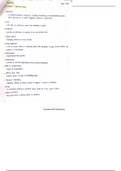
CALORIMETER RESEARCH
VARIABLE 1:
MATERIALS
http://www.miniscience.com/kits/calorimeter/CALMETGA.jpg
Household materials such as aluminium, tin, and copper are ideal for
conducting heat. Conductive materials are useful for holding the water as it
is a material that can easily transfer heat from one object to another. The
water would be able to more easily absorb the heat from the food.
Insulators are effective for trapping heat. This is important as heat released
will make the calorimeter less efficient. Wool is a good insulator because of
the makeup of its fibres. Because the material is porous, it forms tiny air
pockets that trap heat but also allow oxygen flow. Wool is also naturally
flame resistant and environmentally friendly.
VARIABLE 2:
HEIGHT/PLACEMENT OF WATER TO FOOD
https://www.sciencebuddies.org/Files/12039/5/homemade-calorimeter-
diagram.jpg
The further away the water is to the burning food, the more heat
energy is lost to its surroundings. In this design, a cork and
needles are used to hold the food to allow oxygen to fuel the
flame from beneath it. Because cork is rubbery and porous, we
CALORIMETER RESEARCH
VARIABLE 1:
MATERIALS
http://www.miniscience.com/kits/calorimeter/CALMETGA.jpg
Household materials such as aluminium, tin, and copper are ideal for
conducting heat. Conductive materials are useful for holding the water as it
is a material that can easily transfer heat from one object to another. The
water would be able to more easily absorb the heat from the food.
Insulators are effective for trapping heat. This is important as heat released
will make the calorimeter less efficient. Wool is a good insulator because of
the makeup of its fibres. Because the material is porous, it forms tiny air
pockets that trap heat but also allow oxygen flow. Wool is also naturally
flame resistant and environmentally friendly.
VARIABLE 2:
HEIGHT/PLACEMENT OF WATER TO FOOD
https://www.sciencebuddies.org/Files/12039/5/homemade-calorimeter-
diagram.jpg
The further away the water is to the burning food, the more heat
energy is lost to its surroundings. In this design, a cork and
needles are used to hold the food to allow oxygen to fuel the
flame from beneath it. Because cork is rubbery and porous, we