Hamlet Critics and Quotes
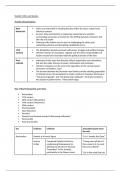
Hamlet interpretations
New Critics are interested in situating the play within its social, cultural and
Historicist historical context
As such, they read Hamlet as registering contemporary anxieties
surrounding succession of monarchs, the shifting dynamics of power and
the role of a leader
Characters like Hamlet can be seen as challenging the status quo,
subverting authority and disrupting established norms
17th The Elizabethan period was beset with power struggle and political intrigue
Century Hamlet’s themes of usurpation, regicide and the moral responsibilities of
leaders would have resonated with the political climate of the time
Post- Interested in the ways that the play reflects imperialism and colonialism,
colonial but also the wider themes of power, domination and resistance
Hamlet’s resistance can be seen in his opposition to the corrupt power
structures of Claudius’ court
The tension between the Denmark royal family and the rebelling population
(in Marxist terms, the proletariat) is made manifest in Claudius’ dismissal of
“the general gender” and “the distracted multitude”. Gertrude condemns
her people in plainer terms: “false Danish dogs”
Key critical frameworks over time:
Restoration
17th century
18th century (Romantics)
19th century (Victorians)
20th century
Psychoanalytic
New Historicist
Feminist
Marxist (and feminist-marxist if discussing reification)
Structuralist
Post-structuralist
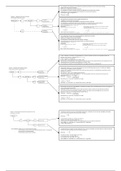
Era Criticism Criticism Associated quote from
the text
Restoration Hamlet as a heroic figure “It is I, Hamlet the Dane”
Jeremy Compared Ophelia to Electra, “Young men will do it if
Collier condemning Shakespeare for they come to it, by cock
allowing his heroine to become they are to blame”
“immodest” in her insanity,
particularly in the flower scene “Let in the maid that out
, a maid never departed
“Modesty… is the character of more”
women”
“Frailty thy name is
Shakespeare should have allowed woman”
“his young Virgin Ophelia” to keep
her virtue even after she had lost her
wits
Early eighteenth The ghost scenes were particular favourites of an Hamlet’s indecision
century age on the verge of the Gothic revival
Not until the late 18th century did critics and
performers begin to view the play as confusing or
inconsistent.
This change in the view of Hamlet’s character is
sometimes seen as a shift in the critical emphasis
on plot (characteristic of the period before 1750) to
an emphasis on the theatrical portrayal of
character (after 1750)
George Noted Shakespeare’s use of “T’will not appear”
Stubbs Horatio’s incredulity to make the “It harrows me with fear
ghost credible and wonder”
Arthur Described the play as a sort of poetic “Out of my weakness
Murphy representation of the mind of a and my melancholy /
“weak and melancholy person” Since he is very potent
with such spirits /
Abuses me to damn me”
Aaran Hill Sounded an unusual but prescient Hamlet accuses himself
note when he praised the seeming of being “pigeon-
contradictions in Hamlet’s livered”, which is
temperament. After mid century, inconsistent with his
such psychological readings had “rash and bloody deed”
begun to gain more currency of killing Polonius
Samuel Doubted the necessity of Hamlet’s “You jig, you amble and
Johnson vicious treatment of Ophelia you lisp”
“This plague for thy
dowry”
Romantic Viewed Hamlet as more of a rebel against politics, “Now cracks a noble
criticism and as an intellectual, rather than an overly heart. Good night, sweet
sensitive being prince”
Previously the delay could be seen as a plot device,
while Romantics focused largely on character
Samuel Shakespeare’s ultimate message was “Praised be rashness”
Coleridge that we should act, not delay
Hamlet interpretations
New Critics are interested in situating the play within its social, cultural and
Historicist historical context
As such, they read Hamlet as registering contemporary anxieties
surrounding succession of monarchs, the shifting dynamics of power and
the role of a leader
Characters like Hamlet can be seen as challenging the status quo,
subverting authority and disrupting established norms
17th The Elizabethan period was beset with power struggle and political intrigue
Century Hamlet’s themes of usurpation, regicide and the moral responsibilities of
leaders would have resonated with the political climate of the time
Post- Interested in the ways that the play reflects imperialism and colonialism,
colonial but also the wider themes of power, domination and resistance
Hamlet’s resistance can be seen in his opposition to the corrupt power
structures of Claudius’ court
The tension between the Denmark royal family and the rebelling population
(in Marxist terms, the proletariat) is made manifest in Claudius’ dismissal of
“the general gender” and “the distracted multitude”. Gertrude condemns
her people in plainer terms: “false Danish dogs”
Key critical frameworks over time:
Restoration
17th century
18th century (Romantics)
19th century (Victorians)
20th century
Psychoanalytic
New Historicist
Feminist
Marxist (and feminist-marxist if discussing reification)
Structuralist
Post-structuralist
Era Criticism Criticism Associated quote from
the text
Restoration Hamlet as a heroic figure “It is I, Hamlet the Dane”
Jeremy Compared Ophelia to Electra, “Young men will do it if
Collier condemning Shakespeare for they come to it, by cock
allowing his heroine to become they are to blame”
“immodest” in her insanity,
particularly in the flower scene “Let in the maid that out
, a maid never departed
“Modesty… is the character of more”
women”
“Frailty thy name is
Shakespeare should have allowed woman”
“his young Virgin Ophelia” to keep
her virtue even after she had lost her
wits
Early eighteenth The ghost scenes were particular favourites of an Hamlet’s indecision
century age on the verge of the Gothic revival
Not until the late 18th century did critics and
performers begin to view the play as confusing or
inconsistent.
This change in the view of Hamlet’s character is
sometimes seen as a shift in the critical emphasis
on plot (characteristic of the period before 1750) to
an emphasis on the theatrical portrayal of
character (after 1750)
George Noted Shakespeare’s use of “T’will not appear”
Stubbs Horatio’s incredulity to make the “It harrows me with fear
ghost credible and wonder”
Arthur Described the play as a sort of poetic “Out of my weakness
Murphy representation of the mind of a and my melancholy /
“weak and melancholy person” Since he is very potent
with such spirits /
Abuses me to damn me”
Aaran Hill Sounded an unusual but prescient Hamlet accuses himself
note when he praised the seeming of being “pigeon-
contradictions in Hamlet’s livered”, which is
temperament. After mid century, inconsistent with his
such psychological readings had “rash and bloody deed”
begun to gain more currency of killing Polonius
Samuel Doubted the necessity of Hamlet’s “You jig, you amble and
Johnson vicious treatment of Ophelia you lisp”
“This plague for thy
dowry”
Romantic Viewed Hamlet as more of a rebel against politics, “Now cracks a noble
criticism and as an intellectual, rather than an overly heart. Good night, sweet
sensitive being prince”
Previously the delay could be seen as a plot device,
while Romantics focused largely on character
Samuel Shakespeare’s ultimate message was “Praised be rashness”
Coleridge that we should act, not delay