Theme 3
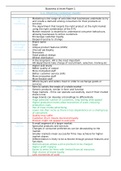
Corporate objectives
= targets set for the whole firm to reach in a given time period
Corporate aims
Provides general sense of what’s to be achieved and gives a sense of
purpose and drive that the aim can bring to normal tasks.
If everyone is aware then they’ll be more driven to achieve their part.
Typical corporate aims are: growth, maximising profit, entering new
markets, surviving first 2 years, improving communities of operation.
Helps employees understand what factors should be prioritised when
making decisions.
Allows decisions to be made fast without need for long consultation
with senior managers.
Mission statements
Reason why a business exists.
If employees buy in, find motivation from trying to achieve that
purpose, no need for motivation techniques, gives staff a genuine
sense of purpose
Can be communicated widely within and shared with other stakeholder
groups and customers
Influences on business mission
Purpose: why the business exists, rooted into founder’s beliefs.
Values: what the business believes in doing and guiding principles
behind how it should be done.
Standards/behaviours: way that people act, towards others and
stakeholders, manager’s behaviour shows through staff
Corporate strategy
= medium to long term plan for achieving the corporate objectives
Porter’s (generic) strategy
matrix lowest cost highest
operator differentiation
Provides advice to any Mass low cost differentiation
market
business on the potential
routes to choosing a Niche focused low cost focused
market differentiation
corporate strategy
Crucial element in achieving long term competitive advantage
Corporate objectives
= targets set for the whole firm to reach in a given time period
Corporate aims
Provides general sense of what’s to be achieved and gives a sense of
purpose and drive that the aim can bring to normal tasks.
If everyone is aware then they’ll be more driven to achieve their part.
Typical corporate aims are: growth, maximising profit, entering new
markets, surviving first 2 years, improving communities of operation.
Helps employees understand what factors should be prioritised when
making decisions.
Allows decisions to be made fast without need for long consultation
with senior managers.
Mission statements
Reason why a business exists.
If employees buy in, find motivation from trying to achieve that
purpose, no need for motivation techniques, gives staff a genuine
sense of purpose
Can be communicated widely within and shared with other stakeholder
groups and customers
Influences on business mission
Purpose: why the business exists, rooted into founder’s beliefs.
Values: what the business believes in doing and guiding principles
behind how it should be done.
Standards/behaviours: way that people act, towards others and
stakeholders, manager’s behaviour shows through staff
Corporate strategy
= medium to long term plan for achieving the corporate objectives
Porter’s (generic) strategy
matrix lowest cost highest
operator differentiation
Provides advice to any Mass low cost differentiation
market
business on the potential
routes to choosing a Niche focused low cost focused
market differentiation
corporate strategy
Crucial element in achieving long term competitive advantage