AFL June 1
1502 2024
EXAM
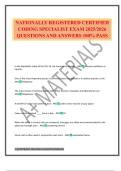
QUESTION 1 1 Do you agree that the concept of Ubuntu concern nation- Duration: 4
building? Motivate your answer with suitable examples. (10)
Hours
, Take Home Examination
May/June 2024
AFL1502
QUESTION 1
1 Do you agree that the concept of Ubuntu concern nation-building? Motivate your answer with
suitable examples. (10)
The concept of Ubuntu does indeed concern nation-building. Ubuntu, a Southern African philosophy
that emphasizes compassion, empathy, and interconnectedness, is deeply rooted in communal well-
being and societal harmony. By promoting principles of cooperation, respect, and collective
responsibility, Ubuntu can contribute to the development and unity of a nation.
One example of Ubuntu's relevance to nation-building is the post-apartheid reconciliation process in
South Africa. After years of racial division and conflict, the concept of Ubuntu was instrumental in
fostering forgiveness, understanding, and solidarity among diverse ethnic groups. Through initiatives
such as the Truth and Reconciliation Commission, Ubuntu played a crucial role in laying the foundation
for a more inclusive and equitable South African society.
Furthermore, the philosophy of Ubuntu can be seen in the principles of servant leadership practiced by
political leaders such as Nelson Mandela. Mandela’s emphasis on empathy, humility, and inclusivity
reflected the Ubuntu belief in interconnectedness and the common good. His leadership style
contributed to the healing and unification of a nation that had been deeply divided by decades of
discrimination and oppression.
In conclusion, the concept of Ubuntu has significant implications for nation-building by promoting
cohesion, empathy, and social harmony. By embracing Ubuntu values, societies can work towards
fostering a sense of collective identity and responsibility, ultimately contributing to the development
and strengthening of a nation.
Reference:
- Tutu, D. (1999). No Future Without Forgiveness. New York: Doubleday.
- Mandela, N. (1994). Long Walk to Freedom. Boston: Little, Brown and Company.
1502 2024
EXAM
QUESTION 1 1 Do you agree that the concept of Ubuntu concern nation- Duration: 4
building? Motivate your answer with suitable examples. (10)
Hours
, Take Home Examination
May/June 2024
AFL1502
QUESTION 1
1 Do you agree that the concept of Ubuntu concern nation-building? Motivate your answer with
suitable examples. (10)
The concept of Ubuntu does indeed concern nation-building. Ubuntu, a Southern African philosophy
that emphasizes compassion, empathy, and interconnectedness, is deeply rooted in communal well-
being and societal harmony. By promoting principles of cooperation, respect, and collective
responsibility, Ubuntu can contribute to the development and unity of a nation.
One example of Ubuntu's relevance to nation-building is the post-apartheid reconciliation process in
South Africa. After years of racial division and conflict, the concept of Ubuntu was instrumental in
fostering forgiveness, understanding, and solidarity among diverse ethnic groups. Through initiatives
such as the Truth and Reconciliation Commission, Ubuntu played a crucial role in laying the foundation
for a more inclusive and equitable South African society.
Furthermore, the philosophy of Ubuntu can be seen in the principles of servant leadership practiced by
political leaders such as Nelson Mandela. Mandela’s emphasis on empathy, humility, and inclusivity
reflected the Ubuntu belief in interconnectedness and the common good. His leadership style
contributed to the healing and unification of a nation that had been deeply divided by decades of
discrimination and oppression.
In conclusion, the concept of Ubuntu has significant implications for nation-building by promoting
cohesion, empathy, and social harmony. By embracing Ubuntu values, societies can work towards
fostering a sense of collective identity and responsibility, ultimately contributing to the development
and strengthening of a nation.
Reference:
- Tutu, D. (1999). No Future Without Forgiveness. New York: Doubleday.
- Mandela, N. (1994). Long Walk to Freedom. Boston: Little, Brown and Company.