Topic 5
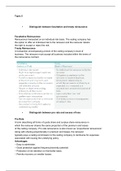
• Distinguish between facultative and treaty reinsurance
Facultative Reinsurance
Reinsurance transacted on an individual risk basis. The ceding company has
the option to offer an individual risk to the reinsurer and the reinsurer retains
the right to accept or reject the risk.
Treaty Reinsurance
A transaction encompassing a block of the ceding company’s book of
business. The reinsurer must accept all business included within the terms of
the reinsurance contract.
• Distinguish between pro rata and excess of loss
Pro Rata
A term describing all forms of quota share and surplus share reinsurance in
which the reinsurer shares the same proportion of the premium and losses
of the ceding company. Pro rata reinsurance is also known as “proportional reinsurance”.
Along with sharing proportionally in premium and losses, the reinsurer
typically pays a ceding commission to the ceding company to reimburse for expenses
associated with issuing the underlying policy.
Advantages
– Easy to administer.
– Good protection against frequency/severity potential.
– Protection of net retention on first-dollar basis.
– Permits recovery on smaller losses.
, Excess of Loss
A term describing a reinsurance transaction that, subject to a specified limit, indemnifies a
ceding company against the amount of loss in excess of a specified retention. Excess of loss
reinsurance is also called “non-proportional reinsurance”
In excess of loss reinsurance, premiums are typically negotiated as a percentage of the
primary insurer’s premium charge.
Advantages
– Good protection against frequency or severity potential, depending upon the retention
level.
– Allows a greater net premium retention.
– More economical in terms of reinsurance premium and cost of administration.
• For which lines of business is facultative insurance the most
appropriate?
General Liability
Umbrella
Personal/Commercial Automobile
Workers’ Compensation and/or Employer’s Liability
Excess Liability
Explain the role of reinsurance
Reinsurance is a transaction whereby one insurance company (the “reinsurer”) agrees to
indemnify another insurance company (the “reinsured, “cedent” or “primary” company)
against all or part of the loss that the latter sustains under a policy or policies that it has
issued. For this service, the ceding company pays the reinsurer a premium. The purpose of
reinsurance is the same as that of insurance: to spread risk. Reinsurance helps protect
insurers against unforeseen or extraordinary losses by allowing them to spread their risks.
For example, a catastrophic fire at an industrial enterprise could financially devastate its
insurer. With reinsurance, no single insurer finds itself saddled with a financial burden
beyond its ability to pay.
Explain the benefits of reinsurance
Capacity Relief
Allows the reinsured to write larger amounts of insurance.
Catastrophe Protection
Protects the reinsured against a large single, catastrophic loss or multiple
large losses.
• Distinguish between facultative and treaty reinsurance
Facultative Reinsurance
Reinsurance transacted on an individual risk basis. The ceding company has
the option to offer an individual risk to the reinsurer and the reinsurer retains
the right to accept or reject the risk.
Treaty Reinsurance
A transaction encompassing a block of the ceding company’s book of
business. The reinsurer must accept all business included within the terms of
the reinsurance contract.
• Distinguish between pro rata and excess of loss
Pro Rata
A term describing all forms of quota share and surplus share reinsurance in
which the reinsurer shares the same proportion of the premium and losses
of the ceding company. Pro rata reinsurance is also known as “proportional reinsurance”.
Along with sharing proportionally in premium and losses, the reinsurer
typically pays a ceding commission to the ceding company to reimburse for expenses
associated with issuing the underlying policy.
Advantages
– Easy to administer.
– Good protection against frequency/severity potential.
– Protection of net retention on first-dollar basis.
– Permits recovery on smaller losses.
, Excess of Loss
A term describing a reinsurance transaction that, subject to a specified limit, indemnifies a
ceding company against the amount of loss in excess of a specified retention. Excess of loss
reinsurance is also called “non-proportional reinsurance”
In excess of loss reinsurance, premiums are typically negotiated as a percentage of the
primary insurer’s premium charge.
Advantages
– Good protection against frequency or severity potential, depending upon the retention
level.
– Allows a greater net premium retention.
– More economical in terms of reinsurance premium and cost of administration.
• For which lines of business is facultative insurance the most
appropriate?
General Liability
Umbrella
Personal/Commercial Automobile
Workers’ Compensation and/or Employer’s Liability
Excess Liability
Explain the role of reinsurance
Reinsurance is a transaction whereby one insurance company (the “reinsurer”) agrees to
indemnify another insurance company (the “reinsured, “cedent” or “primary” company)
against all or part of the loss that the latter sustains under a policy or policies that it has
issued. For this service, the ceding company pays the reinsurer a premium. The purpose of
reinsurance is the same as that of insurance: to spread risk. Reinsurance helps protect
insurers against unforeseen or extraordinary losses by allowing them to spread their risks.
For example, a catastrophic fire at an industrial enterprise could financially devastate its
insurer. With reinsurance, no single insurer finds itself saddled with a financial burden
beyond its ability to pay.
Explain the benefits of reinsurance
Capacity Relief
Allows the reinsured to write larger amounts of insurance.
Catastrophe Protection
Protects the reinsured against a large single, catastrophic loss or multiple
large losses.