Lecture 1
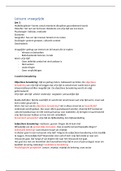
1) Philosophical assumptions: ontology and epistemology
2) Two approaches to gather knowledge about the social world: interpretivism
and positivism
3) Two research strategies: quantitative and qualitative research.
4) The role of values in research.
ONTOLOGY AND EPISTEMOLOGY
Ontology: Study of being
- Objectivism: Whether social entities can and should be considered objective entities
that exist separately to social actors
- Constructivism: Whether they can and should be considered social constructions
built up from the perceptions and actions of social actors
Epistemology: The study of knowledge
What is the source and nature of knowledge? How can we (and should we) acquire
acceptable, justified knowledge about the world around us?
1) Philosophical assumptions: ontology and epistemology
2) Two approaches to gather knowledge about the social world: interpretivism
and positivism
3) Two research strategies: quantitative and qualitative research.
4) The role of values in research.
ONTOLOGY AND EPISTEMOLOGY
Ontology: Study of being
- Objectivism: Whether social entities can and should be considered objective entities
that exist separately to social actors
- Constructivism: Whether they can and should be considered social constructions
built up from the perceptions and actions of social actors
Epistemology: The study of knowledge
What is the source and nature of knowledge? How can we (and should we) acquire
acceptable, justified knowledge about the world around us?