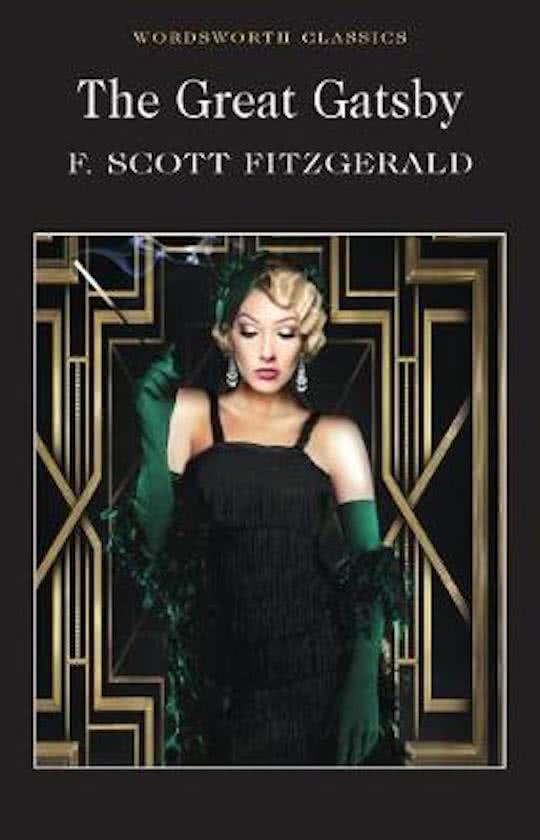
The Great Gatsby
The Green Light
Symbolises Gatsby’s love for Daisy, money, and the American Dream.
First seen – end of chapter 1.
Elusive and powerful, had great symbolic meaning to Gatsby.
Hangs at the end of Daisy’s dock, Gatsby bought his house to see it every night. Symbolises
unwavering love for Daisy.
“The colossal significance of that light had now vanished forever” – Nick.
Proved he and Daisy existed in the same world, suggested the possibility they might meet
again.
Symbol is more important to Gatsby than what is being symbolised.
Gatsby will struggle and fail to reconcile his dream with reality.
Colour green = linked to money, symbolises wealth Gatsby believes will enable him to win
over Daisy.
Distinction between class and wealth.
Illegal activities, acquired great wealth, still shut out of upper-class society by those born into
wealth. E.g., Tom and Daisy.
Daisy associated with gold and silver – more stable, enduring forms of currency, - “golden
girl”.
Gren light represents type of money that someone like Gatsby who is willing to do anything to
attain it, while the inherited wealth linked to class and status, remains out of reach.
American Dream: lower classes can work hard and move up the social ladder.
On the surface – Gatsby has achieved this through self-invention. Gatsby illustrates the
hollowness of the American Dream, he is still unable to attain Daisy, who represents a
traditional elite background.
Tom consistently mocks Gatsby for his upbringing – implies American Dream is unfulfilling.
The American Dream is as unattainable as the green light.
Aftermath of car crash – 3 lower class characters die; upper class characters survive.
Those born into privilege, remain insulated from the consequences for their actions.
Fitzgerald implies that, but also that despite the illusion of social mobility, people from lower
classes will never be fully accepted by those who were born into wealth.
Although working-class people can circulate with the upper classes, they will ultimately be
expendable, while the upper classes will carelessly maintain their own dominance.
American Dream’s most important quality – inaccessibility, dream not reality.
LINK TO:
Whoso list to hunt – unattainable love, obsession.
The Green Light
Symbolises Gatsby’s love for Daisy, money, and the American Dream.
First seen – end of chapter 1.
Elusive and powerful, had great symbolic meaning to Gatsby.
Hangs at the end of Daisy’s dock, Gatsby bought his house to see it every night. Symbolises
unwavering love for Daisy.
“The colossal significance of that light had now vanished forever” – Nick.
Proved he and Daisy existed in the same world, suggested the possibility they might meet
again.
Symbol is more important to Gatsby than what is being symbolised.
Gatsby will struggle and fail to reconcile his dream with reality.
Colour green = linked to money, symbolises wealth Gatsby believes will enable him to win
over Daisy.
Distinction between class and wealth.
Illegal activities, acquired great wealth, still shut out of upper-class society by those born into
wealth. E.g., Tom and Daisy.
Daisy associated with gold and silver – more stable, enduring forms of currency, - “golden
girl”.
Gren light represents type of money that someone like Gatsby who is willing to do anything to
attain it, while the inherited wealth linked to class and status, remains out of reach.
American Dream: lower classes can work hard and move up the social ladder.
On the surface – Gatsby has achieved this through self-invention. Gatsby illustrates the
hollowness of the American Dream, he is still unable to attain Daisy, who represents a
traditional elite background.
Tom consistently mocks Gatsby for his upbringing – implies American Dream is unfulfilling.
The American Dream is as unattainable as the green light.
Aftermath of car crash – 3 lower class characters die; upper class characters survive.
Those born into privilege, remain insulated from the consequences for their actions.
Fitzgerald implies that, but also that despite the illusion of social mobility, people from lower
classes will never be fully accepted by those who were born into wealth.
Although working-class people can circulate with the upper classes, they will ultimately be
expendable, while the upper classes will carelessly maintain their own dominance.
American Dream’s most important quality – inaccessibility, dream not reality.
LINK TO:
Whoso list to hunt – unattainable love, obsession.