Contents
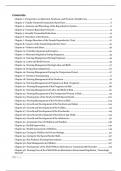
Chapter 01: Caring for the Critically Ill Patient ........................................................................................................... 1
Chapter 02: Ethical and Legal Issues .......................................................................................................................... 6
Chapter 03: Patient and Family Education ................................................................................................................ 11
Chapter 04: Psychosocial Alterations ......................................................................................................................... 18
Chapter 05: Nutritional Alterations............................................................................................................................25
Chapter 06: Gerontologic Alterations........................................................................................................................ 33
Chapter 07: Pain and Pain Management ................................................................................................................... 40
Chapter 08: Sedation and Delirium Management.....................................................................................................47
Chapter 09: End-of-Life Care .....................................................................................................................................53
Chapter 10: Cardiovascular Clinical Assessment and Diagnostic Procedures...........................................................59
Chapter 11: Cardiovascular Disorders......................................................................................................................... 73
Chapter 12: Cardiovascular Therapeutic Management ............................................................................................. 83
Chapter 13: Pulmonary Clinical Assessment and Diagnostic Procedures ................................................................. 92
Chapter 14: Pulmonary Disorders ........................................................................................................................... 100
Chapter 15: Pulmonary Therapeutic Management ..................................................................................................108
Chapter 16: Neurologic Clinical Assessment and Diagnostic Procedures .................................................................117
Chapter 17: Neurologic Disorders and Therapeutic Management ........................................................................... 126
Chapter 18: Kidney Clinical Assessment and Diagnostic Procedures ...................................................................... 134
Chapter 19: Kidney Disorders and Therapeutic Management ................................................................................. 142
Chapter 20: Gastrointestinal Clinical Assessment and Diagnostic Procedures ...................................................... 148
Chapter 21: Gastrointestinal Disorders and Therapeutic Management ................................................................... 157
Chapter 22: Endocrine Clinical Assessment and Diagnostic Procedures................................................................. 165
Chapter 23: Endocrine Disorders and Therapeutic Management............................................................................ 172
Chapter 24: Trauma ................................................................................................................................................. 179
Chapter 25: Burns ..................................................................................................................................................... 187
Chapter 26: Shock, Sepsis, and Multiple Organ Dysfunction Syndrome ................................................................. 196
Chapter 27: Hematologic Disorders and Oncologic Emergencies ........................................................................... 205
Chapter 01: Caring for the Critically Ill
Patient
MULTIPLE CHOICE
1. What type of practitioner has a broad depth of specialty knowledge and expertise and
manages complex clinical and system issues?
a. Registered nurses
b. Advanced practice nurses
c. Clinical nurse leaders
d. Intensivists
ANS: B
Advanced practice nurses (APNs) have a broad depth of knowledge and expertise in their
specialty area and manage complex clinical and systems issues. Intensivists are medical
practitioners who manage the critical ill patient. Registered nurses (RNs) are generally direct
care providers. Clinical nurse leaders (CNLs) generally do not manage system issues.
1|Page
, PTS: 1 DIF: Cognitive Level:
Remembering OBJ: Nursing Process Step:
N/A TOP: Caring for the Critically Ill Patient
MSC: NCLEX: Safe and Effective Care Environment: Coordinated Care
2. What type of practitioner is instrumental in ensuring care that is evidence based and that
safety programs are in place?
a. Clinical nurse specialist
b. Advanced practice nurse
c. Registered nurses
d. Nurse practitioners
ANS: A
Clinical nurse specialists (CNSs) serve in specialty roles that use their clinical, teaching,
research, leadership, and consultative abilities. They are instrumental in ensuring that care
is evidence based and that safety programs are in place. Advanced practice nurses (APNs)
have a broad depth of knowledge and expertise in their specialty area and manage complex
clinical and systems issues. Registered nurses are generally direct care providers. Nurse
practitioners (NPs) manage direct clinical care of groups of patients.
PTS: 1 DIF: Cognitive Level:
Remembering OBJ: Nursing Process Step:
N/A TOP: Caring for the Critically Ill Patient
MSC: NCLEX: Safe and Effective Care Environment: Coordinated Care
3. Which professional organization administers critical care certification exams for
registered nurses?
a. State Board of Registered Nurses
b. National Association of Clinical Nurse Specialist
c. Society of Critical Care Medicine
d. American Association of Critical-Care Nurses
ANS:D
American Association of Critical-Care Nurses (AACN) administers certification exams for
registered nurses. The State Board of Registered Nurses (SBON) does not administer
certification exams. National Association of Clinical Nurse Specialists (NACNS) does not
administer certification exams. Society of Critical Care Medicine (SCCM) does not
administer nursing certification exams for registered nurses.
PTS: 1 DIF: Cognitive Level:
Remembering OBJ: Nursing Process Step:
N/A TOP: Caring for the Critically Ill Patient
MSC: NCLEX: Safe and Effective Care Environment: Coordinated Care
4. The American Association of Critical-Care Nurses (AACN) has developed short directives
that can be used as quick references for clinical use that are known as:
a. critical care protocol.
b. practice policies.
c. evidence-based research.
d. practice alerts.
ANS: D
The American Association of Critical-Care Nurses (AACN) has promulgated several
evidence-based practice summaries in the form of “practice alerts.” Evidence-based nursing
practice considers the best research evidence on the care topic along with clinical expertise of
the nurse and patient preferences. Critical care protocol and practice policies are established
by individual institutions.
2|Page
, PTS: 1 DIF: Cognitive Level:
Remembering OBJ: Nursing Process Step: Planning
TOP: Caring for the Critically Ill
Patient MSC: NCLEX: Safe and
Effective Care Environment:
Coordinated Care
5. What type of therapy is an option to conventional treatment?
a. Alternative
b. Holistic
c. Complementary
d. Individualized
ANS: A
The term alternative denotes that a specific therapy is an option or alternative to what is
considered conventional treatment of a condition or state. The term complementary was
proposed to describe therapies that can be used to complement or support conventional
treatments. Holistic care focuses on human integrity and stresses that the body, mind, and
spirit are interdependent and inseparable. Individualized care recognizes the uniqueness of
each patient’s preferences, condition, and physiologic and psychosocial status.
PTS: 1 DIF: Cognitive Level: Remembering OBJ: Nursing Process
Step: Implementation
TOP: Caring for the Critically Ill Patient
MSC: NCLEX: Physiological Integrity: Basic Care and Comfort
6. Guided imagery and massage are both examples of what type of treatment?
a. Alternative therapy
b. Holistic care
c. Complementary care
d. Individualized care
ANS: C
The term complementary was proposed to describe therapies that can be used to
complement or support conventional treatments. Guided imagery, massage, and animal-
assisted therapy are all examples of complementary care. The term alternative denotes that
a specific therapy is an option or alternative to what is considered conventional treatment of a
condition or state. Holistic care focuses on human integrity and stresses that the body, mind,
and spirit are interdependent and inseparable. Individualized care recognizes the uniqueness
of each patient’s preferences, condition, and physiologic and psychosocial status.
PTS: 1 DIF: Cognitive Level: Understanding OBJ: Nursing Process
Step: Implementation
TOP: Caring for the Critically Ill Patient
MSC: NCLEX: Physiological Integrity: Basic Care and Comfort
7. A patient was admitted to a rural critical care unit in Montana. Critical care nurses are
assisting with monitoring and care of the patient from the closest major city. What is
this type of practice termed?
a. Tele-nursing
b. Tele-ICU
c. Tele-informatics
d. Tele-hospital
ANS: B
Tele-ICU is a form of telemedicine. Telemedicine was initially used in outpatient areas,
remote rural geographic locations, and areas where there was a dearth of medical
providers. Currently, there are tele-ICUs in areas where there are limited resources on-
site. However, experts (critical care nurses, intensivists) are located in a central distant
3|Page
, site.
PTS: 1 DIF: Cognitive Level:
Understanding OBJ: Nursing Process Step: Evaluation
TOP: Caring for the Critically Ill
Patient MSC: NCLEX: Physiological
Integrity:
Reduction of Risk Potential
8. Which core competency for interprofessional practice can be described as working with
individuals of other professions to maintain a climate of mutual respect and shared
values?
a. Interprofessional teamwork and team-based care
b. Values and ethics for interprofessional practice
c. Interprofessional communication
d. Roles and responsibilities for collaborative practice
ANS: B
Values and ethics for interprofessional practice mean working with individuals of other
professions to maintain a climate of mutual respect and shared values. Roles and
responsibilities for collaborative practice include using knowledge of one’s own role and the
roles of other professions to appropriately assess and address the health care needs of the
patients and populations served.
Interprofessional communication includes communicating with patients, families,
communities, and other health professionals in a responsive and responsible manner that
supports a team approach to maintaining health and treatment of disease. Interprofessional
teamwork and team-based care means applying relationship-building values and principles
of team dynamics to perform effectively in different team roles to plan and deliver patient
population-centered care that is safe, timely, efficient, effective, and equitable.
PTS: 1 DIF: Cognitive Level:
Remembering OBJ: Nursing Process Step:
N/A TOP: Caring for the Critically Ill Patient
MSC: NCLEX: Safe and Effective Care Environment: Coordinated Care
9. Which nursing intervention continues to be one of the most error-prone for critical care nurses?
a. Inappropriate care
b. Intimidating and disruptive clinician behavior
c. Injury to patients by falls
d. Medication administration
ANS: D
Medication administration continues to be one of the most error-prone nursing
interventions for critical care nurses. Intimidating and disruptive clinician behaviors can
lead to errors and preventable adverse patient outcomes. Patient safety has been described
as an ethical imperative and one that is inherent in health care professionals’ actions and
interpersonal processes; examples include inappropriate care and injury to patients by falls.
PTS: 1 DIF: Cognitive Level: Understanding OBJ: Nursing Process
Step: Implementation
TOP: Caring for the Critically Ill Patient
MSC: NCLEX: Safe and Effective Care Environment: Safety and Infection Control
10. A practitioner and nurse are performing a dressing change on an unresponsive patient
in room 14. The practitioner asks the nurse for an update on the patient in room 13.
Which action should the nurse take next?
a. Give the update to the practitioner.
b. Refuse to give the update
because of Health Insurance
Portability and Accountability
Act (HIPAA) requirements.
4|Page
Chapter 01: Caring for the Critically Ill Patient ........................................................................................................... 1
Chapter 02: Ethical and Legal Issues .......................................................................................................................... 6
Chapter 03: Patient and Family Education ................................................................................................................ 11
Chapter 04: Psychosocial Alterations ......................................................................................................................... 18
Chapter 05: Nutritional Alterations............................................................................................................................25
Chapter 06: Gerontologic Alterations........................................................................................................................ 33
Chapter 07: Pain and Pain Management ................................................................................................................... 40
Chapter 08: Sedation and Delirium Management.....................................................................................................47
Chapter 09: End-of-Life Care .....................................................................................................................................53
Chapter 10: Cardiovascular Clinical Assessment and Diagnostic Procedures...........................................................59
Chapter 11: Cardiovascular Disorders......................................................................................................................... 73
Chapter 12: Cardiovascular Therapeutic Management ............................................................................................. 83
Chapter 13: Pulmonary Clinical Assessment and Diagnostic Procedures ................................................................. 92
Chapter 14: Pulmonary Disorders ........................................................................................................................... 100
Chapter 15: Pulmonary Therapeutic Management ..................................................................................................108
Chapter 16: Neurologic Clinical Assessment and Diagnostic Procedures .................................................................117
Chapter 17: Neurologic Disorders and Therapeutic Management ........................................................................... 126
Chapter 18: Kidney Clinical Assessment and Diagnostic Procedures ...................................................................... 134
Chapter 19: Kidney Disorders and Therapeutic Management ................................................................................. 142
Chapter 20: Gastrointestinal Clinical Assessment and Diagnostic Procedures ...................................................... 148
Chapter 21: Gastrointestinal Disorders and Therapeutic Management ................................................................... 157
Chapter 22: Endocrine Clinical Assessment and Diagnostic Procedures................................................................. 165
Chapter 23: Endocrine Disorders and Therapeutic Management............................................................................ 172
Chapter 24: Trauma ................................................................................................................................................. 179
Chapter 25: Burns ..................................................................................................................................................... 187
Chapter 26: Shock, Sepsis, and Multiple Organ Dysfunction Syndrome ................................................................. 196
Chapter 27: Hematologic Disorders and Oncologic Emergencies ........................................................................... 205
Chapter 01: Caring for the Critically Ill
Patient
MULTIPLE CHOICE
1. What type of practitioner has a broad depth of specialty knowledge and expertise and
manages complex clinical and system issues?
a. Registered nurses
b. Advanced practice nurses
c. Clinical nurse leaders
d. Intensivists
ANS: B
Advanced practice nurses (APNs) have a broad depth of knowledge and expertise in their
specialty area and manage complex clinical and systems issues. Intensivists are medical
practitioners who manage the critical ill patient. Registered nurses (RNs) are generally direct
care providers. Clinical nurse leaders (CNLs) generally do not manage system issues.
1|Page
, PTS: 1 DIF: Cognitive Level:
Remembering OBJ: Nursing Process Step:
N/A TOP: Caring for the Critically Ill Patient
MSC: NCLEX: Safe and Effective Care Environment: Coordinated Care
2. What type of practitioner is instrumental in ensuring care that is evidence based and that
safety programs are in place?
a. Clinical nurse specialist
b. Advanced practice nurse
c. Registered nurses
d. Nurse practitioners
ANS: A
Clinical nurse specialists (CNSs) serve in specialty roles that use their clinical, teaching,
research, leadership, and consultative abilities. They are instrumental in ensuring that care
is evidence based and that safety programs are in place. Advanced practice nurses (APNs)
have a broad depth of knowledge and expertise in their specialty area and manage complex
clinical and systems issues. Registered nurses are generally direct care providers. Nurse
practitioners (NPs) manage direct clinical care of groups of patients.
PTS: 1 DIF: Cognitive Level:
Remembering OBJ: Nursing Process Step:
N/A TOP: Caring for the Critically Ill Patient
MSC: NCLEX: Safe and Effective Care Environment: Coordinated Care
3. Which professional organization administers critical care certification exams for
registered nurses?
a. State Board of Registered Nurses
b. National Association of Clinical Nurse Specialist
c. Society of Critical Care Medicine
d. American Association of Critical-Care Nurses
ANS:D
American Association of Critical-Care Nurses (AACN) administers certification exams for
registered nurses. The State Board of Registered Nurses (SBON) does not administer
certification exams. National Association of Clinical Nurse Specialists (NACNS) does not
administer certification exams. Society of Critical Care Medicine (SCCM) does not
administer nursing certification exams for registered nurses.
PTS: 1 DIF: Cognitive Level:
Remembering OBJ: Nursing Process Step:
N/A TOP: Caring for the Critically Ill Patient
MSC: NCLEX: Safe and Effective Care Environment: Coordinated Care
4. The American Association of Critical-Care Nurses (AACN) has developed short directives
that can be used as quick references for clinical use that are known as:
a. critical care protocol.
b. practice policies.
c. evidence-based research.
d. practice alerts.
ANS: D
The American Association of Critical-Care Nurses (AACN) has promulgated several
evidence-based practice summaries in the form of “practice alerts.” Evidence-based nursing
practice considers the best research evidence on the care topic along with clinical expertise of
the nurse and patient preferences. Critical care protocol and practice policies are established
by individual institutions.
2|Page
, PTS: 1 DIF: Cognitive Level:
Remembering OBJ: Nursing Process Step: Planning
TOP: Caring for the Critically Ill
Patient MSC: NCLEX: Safe and
Effective Care Environment:
Coordinated Care
5. What type of therapy is an option to conventional treatment?
a. Alternative
b. Holistic
c. Complementary
d. Individualized
ANS: A
The term alternative denotes that a specific therapy is an option or alternative to what is
considered conventional treatment of a condition or state. The term complementary was
proposed to describe therapies that can be used to complement or support conventional
treatments. Holistic care focuses on human integrity and stresses that the body, mind, and
spirit are interdependent and inseparable. Individualized care recognizes the uniqueness of
each patient’s preferences, condition, and physiologic and psychosocial status.
PTS: 1 DIF: Cognitive Level: Remembering OBJ: Nursing Process
Step: Implementation
TOP: Caring for the Critically Ill Patient
MSC: NCLEX: Physiological Integrity: Basic Care and Comfort
6. Guided imagery and massage are both examples of what type of treatment?
a. Alternative therapy
b. Holistic care
c. Complementary care
d. Individualized care
ANS: C
The term complementary was proposed to describe therapies that can be used to
complement or support conventional treatments. Guided imagery, massage, and animal-
assisted therapy are all examples of complementary care. The term alternative denotes that
a specific therapy is an option or alternative to what is considered conventional treatment of a
condition or state. Holistic care focuses on human integrity and stresses that the body, mind,
and spirit are interdependent and inseparable. Individualized care recognizes the uniqueness
of each patient’s preferences, condition, and physiologic and psychosocial status.
PTS: 1 DIF: Cognitive Level: Understanding OBJ: Nursing Process
Step: Implementation
TOP: Caring for the Critically Ill Patient
MSC: NCLEX: Physiological Integrity: Basic Care and Comfort
7. A patient was admitted to a rural critical care unit in Montana. Critical care nurses are
assisting with monitoring and care of the patient from the closest major city. What is
this type of practice termed?
a. Tele-nursing
b. Tele-ICU
c. Tele-informatics
d. Tele-hospital
ANS: B
Tele-ICU is a form of telemedicine. Telemedicine was initially used in outpatient areas,
remote rural geographic locations, and areas where there was a dearth of medical
providers. Currently, there are tele-ICUs in areas where there are limited resources on-
site. However, experts (critical care nurses, intensivists) are located in a central distant
3|Page
, site.
PTS: 1 DIF: Cognitive Level:
Understanding OBJ: Nursing Process Step: Evaluation
TOP: Caring for the Critically Ill
Patient MSC: NCLEX: Physiological
Integrity:
Reduction of Risk Potential
8. Which core competency for interprofessional practice can be described as working with
individuals of other professions to maintain a climate of mutual respect and shared
values?
a. Interprofessional teamwork and team-based care
b. Values and ethics for interprofessional practice
c. Interprofessional communication
d. Roles and responsibilities for collaborative practice
ANS: B
Values and ethics for interprofessional practice mean working with individuals of other
professions to maintain a climate of mutual respect and shared values. Roles and
responsibilities for collaborative practice include using knowledge of one’s own role and the
roles of other professions to appropriately assess and address the health care needs of the
patients and populations served.
Interprofessional communication includes communicating with patients, families,
communities, and other health professionals in a responsive and responsible manner that
supports a team approach to maintaining health and treatment of disease. Interprofessional
teamwork and team-based care means applying relationship-building values and principles
of team dynamics to perform effectively in different team roles to plan and deliver patient
population-centered care that is safe, timely, efficient, effective, and equitable.
PTS: 1 DIF: Cognitive Level:
Remembering OBJ: Nursing Process Step:
N/A TOP: Caring for the Critically Ill Patient
MSC: NCLEX: Safe and Effective Care Environment: Coordinated Care
9. Which nursing intervention continues to be one of the most error-prone for critical care nurses?
a. Inappropriate care
b. Intimidating and disruptive clinician behavior
c. Injury to patients by falls
d. Medication administration
ANS: D
Medication administration continues to be one of the most error-prone nursing
interventions for critical care nurses. Intimidating and disruptive clinician behaviors can
lead to errors and preventable adverse patient outcomes. Patient safety has been described
as an ethical imperative and one that is inherent in health care professionals’ actions and
interpersonal processes; examples include inappropriate care and injury to patients by falls.
PTS: 1 DIF: Cognitive Level: Understanding OBJ: Nursing Process
Step: Implementation
TOP: Caring for the Critically Ill Patient
MSC: NCLEX: Safe and Effective Care Environment: Safety and Infection Control
10. A practitioner and nurse are performing a dressing change on an unresponsive patient
in room 14. The practitioner asks the nurse for an update on the patient in room 13.
Which action should the nurse take next?
a. Give the update to the practitioner.
b. Refuse to give the update
because of Health Insurance
Portability and Accountability
Act (HIPAA) requirements.
4|Page