Name of the Teacher Date Level of the class Length of lesson
Anja Botha 18/08/2023 Upper-Intermediate 60 minutes
Lesson Type:
Reading
Lesson Topic:
Animals
Lesson Aims: Lesson Objectives:
Enhance students' reading skills, specifically focusing on "reading for gist" By the end of this lesson, students will be able to analyse and comprehend
and detailed comprehension, using an authentic text about ways animals information from a text about the various ways animals contribute to human
assist humans. well-being. They will also practice critical thinking skills through discussion
and written reflection.
Anticipated difficulties: Suggested solutions:
1. Some of the vocabulary words introduced in the lesson might be 1. Provide clear and concise explanations for key vocabulary words,
unfamiliar to the students, even at an upper-intermediate level. possibly using synonyms in Italian to aid understanding. Use visuals,
2. Adults in the 18 to 25 age range might have varying levels of such as pictures or diagrams, to enhance comprehension. Encourage
motivation and engagement, impacting the overall classroom students to ask questions if they encounter unfamiliar terms.
dynamic. 2. Keep the class engaging by incorporating interactive activities, group
3. Speaking activities might trigger speaking anxiety among some discussions, and peer interactions. Relate the lesson content to their
students. interests and experiences. Establish a supportive and inclusive
classroom environment where all students feel valued and
encouraged to contribute.
3. Create a non-judgmental and supportive atmosphere where students
feel comfortable expressing themselves. Begin with low-pressure
speaking tasks, such as discussing ideas with a partner before sharing
with the whole class. Gradually build up to more complex speaking
1 Lesson Plan
, tasks, providing positive feedback and praise.
Authentic Text :
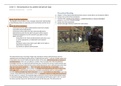
Ten ways animals help us.
1.Bees are powerful pollinators.
Did you know that pollination is responsible for one-third of the world's food supply? Many of the world's plants rely on these little heroes, including around 30% of the
world's crops and 90% of our wild plants. Bees are strong pollinators and play an important part in the ecology as they buzz from plant to plant, so the next time you
discover a wildflower, you can thank a busy bee.
2.Beavers combat climate change.
These woodland creatures have proved incredibly adept at naturally regulating ecosystems. Their gnawing and damming reduce flooding and wildfire
damage, preserve fish populations, and conserve freshwater reservoirs—key to combating the effects of climate change. So, when it comes to much needed
river ecosystem regulation, leave it to the beavers.
3.Llama’s patrol farms.
In addition to being a farm animal with a particularly low environmental impact and a sweet tooth for invasive weed species, llamas have also found to be
incredibly effective guard animals. Yes, guard llamas. These sociable creatures’ bond with herd animals, which makes them instinctively protective against
predators and an invaluable asset to shepherds and ranchers.
4. Rats detect landmines.
Rats get a bad rap but with their keen sense of smell and trainability, they have found to be exceptionally suited to work as landmine detectors. More
efficient than metal detectors and cheaper than dogs, rats (nicknamed HeroRats) are trained to sniff out landmines, allowing previously unusable land to
once again be productive. 5. Squirrels help trees take root.
While you may know them as your neighbourhood park dwellers, squirrels’ natural habitat is the forest where they play a key role as nature’s tree planters.
These forgetful little creatures’ nut-gathering and storing have a significant impact when their forgotten nut stashes take root and grow into the trees and
forests that sustain our ecosystem.
5. Squirrels help trees take root.
While you may know them as your neighbourhood park dwellers, squirrels’ natural habitat is the forest where they play a key role as nature’s tree planters.
These forgetful little creatures’ nut-gathering and storing have a substantial impact when their forgotten nut stashes take root and grow into the trees and
forests that sustain our ecosystem.
6.Narwhals assist scientists.
Otherwise known as the “unicorns of the sea,” these deep divers are instrumental to NASA scientists’ tracking of temperature changes in Greenland’s arctic.
Researchers have employed narwhals, fitted with radio transmitters, to collect data from the hard-to-reach depths of the Arctic on water salinity,
temperature, and impact of the increasingly warm ocean water on Greenland’s glaciers.
7.Elephants create a source of water for other species.
2 Lesson Plan
Anja Botha 18/08/2023 Upper-Intermediate 60 minutes
Lesson Type:
Reading
Lesson Topic:
Animals
Lesson Aims: Lesson Objectives:
Enhance students' reading skills, specifically focusing on "reading for gist" By the end of this lesson, students will be able to analyse and comprehend
and detailed comprehension, using an authentic text about ways animals information from a text about the various ways animals contribute to human
assist humans. well-being. They will also practice critical thinking skills through discussion
and written reflection.
Anticipated difficulties: Suggested solutions:
1. Some of the vocabulary words introduced in the lesson might be 1. Provide clear and concise explanations for key vocabulary words,
unfamiliar to the students, even at an upper-intermediate level. possibly using synonyms in Italian to aid understanding. Use visuals,
2. Adults in the 18 to 25 age range might have varying levels of such as pictures or diagrams, to enhance comprehension. Encourage
motivation and engagement, impacting the overall classroom students to ask questions if they encounter unfamiliar terms.
dynamic. 2. Keep the class engaging by incorporating interactive activities, group
3. Speaking activities might trigger speaking anxiety among some discussions, and peer interactions. Relate the lesson content to their
students. interests and experiences. Establish a supportive and inclusive
classroom environment where all students feel valued and
encouraged to contribute.
3. Create a non-judgmental and supportive atmosphere where students
feel comfortable expressing themselves. Begin with low-pressure
speaking tasks, such as discussing ideas with a partner before sharing
with the whole class. Gradually build up to more complex speaking
1 Lesson Plan
, tasks, providing positive feedback and praise.
Authentic Text :
Ten ways animals help us.
1.Bees are powerful pollinators.
Did you know that pollination is responsible for one-third of the world's food supply? Many of the world's plants rely on these little heroes, including around 30% of the
world's crops and 90% of our wild plants. Bees are strong pollinators and play an important part in the ecology as they buzz from plant to plant, so the next time you
discover a wildflower, you can thank a busy bee.
2.Beavers combat climate change.
These woodland creatures have proved incredibly adept at naturally regulating ecosystems. Their gnawing and damming reduce flooding and wildfire
damage, preserve fish populations, and conserve freshwater reservoirs—key to combating the effects of climate change. So, when it comes to much needed
river ecosystem regulation, leave it to the beavers.
3.Llama’s patrol farms.
In addition to being a farm animal with a particularly low environmental impact and a sweet tooth for invasive weed species, llamas have also found to be
incredibly effective guard animals. Yes, guard llamas. These sociable creatures’ bond with herd animals, which makes them instinctively protective against
predators and an invaluable asset to shepherds and ranchers.
4. Rats detect landmines.
Rats get a bad rap but with their keen sense of smell and trainability, they have found to be exceptionally suited to work as landmine detectors. More
efficient than metal detectors and cheaper than dogs, rats (nicknamed HeroRats) are trained to sniff out landmines, allowing previously unusable land to
once again be productive. 5. Squirrels help trees take root.
While you may know them as your neighbourhood park dwellers, squirrels’ natural habitat is the forest where they play a key role as nature’s tree planters.
These forgetful little creatures’ nut-gathering and storing have a significant impact when their forgotten nut stashes take root and grow into the trees and
forests that sustain our ecosystem.
5. Squirrels help trees take root.
While you may know them as your neighbourhood park dwellers, squirrels’ natural habitat is the forest where they play a key role as nature’s tree planters.
These forgetful little creatures’ nut-gathering and storing have a substantial impact when their forgotten nut stashes take root and grow into the trees and
forests that sustain our ecosystem.
6.Narwhals assist scientists.
Otherwise known as the “unicorns of the sea,” these deep divers are instrumental to NASA scientists’ tracking of temperature changes in Greenland’s arctic.
Researchers have employed narwhals, fitted with radio transmitters, to collect data from the hard-to-reach depths of the Arctic on water salinity,
temperature, and impact of the increasingly warm ocean water on Greenland’s glaciers.
7.Elephants create a source of water for other species.
2 Lesson Plan