Phobias
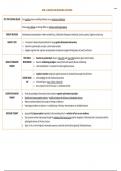
Key terms
- Phobia: an irrational fear of an object or situation
- Behavioural: ways in which people act
- Emotional: ways in which people feel
- Cognitive: refers to the process of thinking - knowing, perceiving, believing
DSM-5 categories of phobia
All phobias are characterised by excessive fear and anxiety triggered by an object, place or situation
- The extent of the fear is out of proportion to any real danger presented by the phobic stimulus
The latest version of the DSM recognises the following categories of phobia and related anxiety disorder:
- Specific phobia: phobia of an object, such as an animal or body part, or a situation, such as flying
or having an injection
- Social anxiety (social phobia): phobia of a social situation such as public speaking or using a
public toilet
- Agoraphobia: phobia of being outside or in a public place
Behavioural characteristics of phobias
We respond to things or situations we fear by behaving in particular ways
- We respond by feeling high levels of anxiety and trying to escape
- The fear responses in phobias are the same as we experience for any other fear, even if the level
of fear is irrational (out of proportion to the phobic stimulus)
Panic
A phobic person may panic in response to the presence of the phobic stimulus
- Panic may involve a range of behaviours including crying, screaming or running away
- Children may react slightly differently, for example by freezing, clinging or having a tantrum
Avoidance
Unless the sufferer is making a conscious effort to face their fear, they tend to go to a lot of effort to avoid
coming into contact with the phobic stimulus
- This can make it hard to go about daily life
Endurance
The alternative to avoidance is endurance, in which the sufferer remains in the presence of the phobic
stimulus, but continues to experience high levels of anxiety
- This may be unavoidable in some situations, for example, for a person who has an extreme fear
of flying
Emotional characteristics of phobias
Anxiety
Phobias are classed as anxiety disorders; by definition they involve an emotional response of anxiety and
fear
- Anxiety is an unpleasant state of high arousal which prevents the suffer from relaxing and makes
it very difficult to experience any positive emotions
- Anxiety can be long-term
- Fear is the immediate and extremely unpleasant response we experience when we encounter or
think about the phobic stimulus
Key terms
- Phobia: an irrational fear of an object or situation
- Behavioural: ways in which people act
- Emotional: ways in which people feel
- Cognitive: refers to the process of thinking - knowing, perceiving, believing
DSM-5 categories of phobia
All phobias are characterised by excessive fear and anxiety triggered by an object, place or situation
- The extent of the fear is out of proportion to any real danger presented by the phobic stimulus
The latest version of the DSM recognises the following categories of phobia and related anxiety disorder:
- Specific phobia: phobia of an object, such as an animal or body part, or a situation, such as flying
or having an injection
- Social anxiety (social phobia): phobia of a social situation such as public speaking or using a
public toilet
- Agoraphobia: phobia of being outside or in a public place
Behavioural characteristics of phobias
We respond to things or situations we fear by behaving in particular ways
- We respond by feeling high levels of anxiety and trying to escape
- The fear responses in phobias are the same as we experience for any other fear, even if the level
of fear is irrational (out of proportion to the phobic stimulus)
Panic
A phobic person may panic in response to the presence of the phobic stimulus
- Panic may involve a range of behaviours including crying, screaming or running away
- Children may react slightly differently, for example by freezing, clinging or having a tantrum
Avoidance
Unless the sufferer is making a conscious effort to face their fear, they tend to go to a lot of effort to avoid
coming into contact with the phobic stimulus
- This can make it hard to go about daily life
Endurance
The alternative to avoidance is endurance, in which the sufferer remains in the presence of the phobic
stimulus, but continues to experience high levels of anxiety
- This may be unavoidable in some situations, for example, for a person who has an extreme fear
of flying
Emotional characteristics of phobias
Anxiety
Phobias are classed as anxiety disorders; by definition they involve an emotional response of anxiety and
fear
- Anxiety is an unpleasant state of high arousal which prevents the suffer from relaxing and makes
it very difficult to experience any positive emotions
- Anxiety can be long-term
- Fear is the immediate and extremely unpleasant response we experience when we encounter or
think about the phobic stimulus