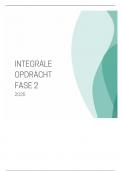
ATI Mental Health Actual Exam Questions With Answers Spiritual practices related to death for *Muslims* - ANSWER - -turn client on right si de to face Mecca; -when death occurs, body must be covered at all times and it is preferred that only workers of same sex touch the client Erikson's Stages of Growth and Development - ANSWER - Trust vs Mistrust [birth to 1 yr]; Autonomy vs Shame and Doubt [1-3 yrs]; Initiative vs Guilt [3 -6 yrs]; Industry vs Inferiority [6 -12 yrs]; Identity vs Role Confusion [12 -20 yrs]; Intimacy vs Isolation [20 -35 yrs]; Generativity vs Stagnation [35 -65 yrs]; Integrity vs Despair [65 yr to death] Priority for PTSD client - ANSWER - safety; making the client feel safe DNR vs Living Will - ANSWER - DNR is a *medical* document the HCP creates - a living will is a *legal* document the client creates; DNR can be included in a living will but it can be to tally separate; if DNR w/o a living will, the family can have a say -so about resuscitation efforts ADHD - Teaching for Parents - ANSWER - -Model positive behaviors; -Verbal instruction combined w/visual cues; -Structured activities should be planned for th e AM; -Use charts to assist w/organization Electroconvulsive therapy (ECT) - ANSWER - -lithium and MAOIs should be discontinued 2 weeks prior to procedure; -atropine is given IM 30 min prior to procedure to decrease secretions; -succinylcholine immediately following admin of -anesthesia prior to procedure to prevent muscle contractions and fractures ECT - What to monitor *during* therapy - ANSWER - -respiratory rate and effort; -BP; -duration of seizure [typical is 25 -60 seconds; seizures greater than 90 se conds are treated w/diazepam [Valium] Phases of a therapeutic nurse -client relationship - ANSWER - *PREINTERACTION* - before contact w/client; RN focuses on own preconceived ideas, stereotypes, etc.; *ORIENTATION/INTRODUCTORY* - establish acceptance, trust , boundaries; identify expectations and time frame; define goals; discuss and prepare for termination and separation of relationship; *WORKING* - explore, evaluate, and focus on client's problems; encourage independence; *TERMINATION/SEPARATION* - evaluate progress and achievement of goals; identify responses to termination such as anger, distancing, return of symptoms, and dependency; encourage client to express feelings about termination; identify strengths; refer out to community resources Levels of anx iety - ANSWER - *MILD* -associated w/tension of everyday life; alert and perceptual field is increased; can be motivating; *MODERATE* - focus is on immediate concerns; select inattentiveness and perceptual field is narrowed; learning and problem solving sti ll occur; *SEVERE* - feeling that something bad is about to happen; focus is on minute or scattered details; needs direction to focus and perceptual field significantly narrowed; learning and problem solving are impossible; all behavior aimed at relieving anxiety; *PANIC* - associated w/dread and terror and a sense of impending doom; can't communicate or function effectively; if prolonged, panic can lead to exhaustion and death TYPES OF DELUSIONS - ANSWER - Alterations in thought are false fixed beliefs tha t cannot Be corrected by reasoning and are usually bizarre. ● Ideas of reference: Misconstrues trivial events and Attaches personal significance to them (believes others are talking about him) ● Persecution: Feels singled out for harm by others (being hunted by FBI) ● Grandeur: Believes that she is all powerful and important, like a god ● Somatic delusions: Believes that his body is changing in an unusual way (growing a third arm) ● Jealousy: Be lieves that her partner is sexually involved with another individual even though there is not any factual basis for this belief ● Being controlled: Believes that a force outside his body is controlling him ● Thought broadcasting: Believes that her thoughts are heard by others ● Thought insertion: Believes that others' thoughts are being inserted into his mind ● Thought withdrawal: Believes that her thoughts have been removed from her mind by an outside agency ● Religiosity: Is obsessed with religious belief s ● Magical thinking: Believes his actions or thoughts are able to control a situation or affect others (wearing a hat makes him invisible)
Exam (elaborations)
ATI Mental Health Actual Exam Questions With Answers
Rating
Sold
-
Pages
10
Grade
A+
Uploaded on
27-10-2023
Written in
2023/2024
ATI Mental Health Actual Exam Questions With Answers Spiritual practices related to death for *Muslims* - ANSWER- -turn client on right side to face Mecca; -when death occurs, body must be covered at all times and it is preferred that only workers of same sex touch the client Erikson's Stages of Growth and Development - ANSWER- Trust vs Mistrust [birth to 1 yr]; Autonomy vs Shame and Doubt [1-3 yrs]; Initiative vs Guilt [3-6 yrs]; Industry vs Inferiority [6-12 yrs]; Identity vs Role Confusion [12-20 yrs]; Intimacy vs Isolation [20-35 yrs]; Generativity vs Stagnation [35-65 yrs]; Integrity vs Despair [65 yr to death] Priority for PTSD client - ANSWER- safety; making the client feel safe DNR vs Living Will - ANSWER- DNR is a *medical* document the HCP creates - a living will is a *legal* document the client creates; DNR can be included in a living will but it can be totally separate; if DNR w/o a living will, the family can have a say-so about resuscitation efforts ADHD - Teaching for Parents - ANSWER- -Model positive behaviors; -Verbal instruction combined w/visual cues; -Structured activities should be planned for the AM; -Use charts to assist w/organization Electroconvulsive therapy (ECT) - ANSWER- -lithium and MAOIs should be discontinued 2 weeks prior to procedure; -atropine is given IM 30 min prior to procedure to decrease secretions; -succinylcholine immediately following admin of -anesthesia prior to procedure to prevent muscle contractions and fractures ECT - What to monitor *during* therapy - ANSWER- -respiratory rate and effort; -BP; -duration of seizure [typical is 25-60 seconds; seizures greater than 90 seconds are treated w/diazepam [Valium] Phases of a therapeutic nurse-client relationship - ANSWER- *PREINTERACTION* - before contact w/client; RN focuses on own preconceived ideas, stereotypes, etc.; *ORIENTATION/INTRODUCTORY* - establish acceptance, trust, boundaries; identify expectations and time frame; define goals; discuss and prepare for termination and separation of relationship; *WORKING* - explore, evaluate, and focus on client's problems; encourage independence; *TERMINATION/SEPARATION* - evaluate progress and achievement of goals; identify responses to termination such as anger, distancing, return of symptoms, and dependency; encourage client to express feelings about termination; identify strengths; refer out to community resources Levels of anxiety - ANSWER- *MILD* -associated w/tension of everyday life; alert and perceptual field is increased; can be motivating; *MODERATE* - focus is on immediate concerns; select inattentiveness and perceptual field is narrowed; learning and problem solving still occur; *SEVERE* - feeling that something bad is about to happen; focus is on minute or scattered details; needs direction to focus and perceptual field significantly narrowed; learning and problem solving are impossible; all behavior aimed at relieving anxiety; *PANIC* - associated w/dread and terror and a sense of impending doom; can't communicate or function effectively; if prolonged, panic can lead to exhaustion and death TYPES OF DELUSIONS - ANSWER- Alterations in thought are false fixed beliefs that cannot Be corrected by reasoning and are usually bizarre. ● Ideas of reference: Misconstrues trivial events and Attaches personal significance to them (believes others are talking about him) ● Persecution: Feels singled out for harm by others (being hunted by FBI) ● Grandeur: Believes that she is all powerful and important, like a god ● Somatic delusions: Believes that his body is changing in an unusual way (growing a third arm) ● Jealousy: Believes that her partner is sexually involved with another individual even though there is not any factual basis for this belief ● Being controlled: Believes that a force outside his body is controlling him ● Thought broadcasting: Believes that her thoughts are heard by others ● Thought insertion: Believes that others' thoughts are being inserted into his mind ● Thought withdrawal: Believes that her thoughts have been removed from her mind by an outside agency ● Religiosity: Is obsessed with religious beliefs ● Magical thinking: Believes his actions or thoughts are able to control a situation or affect others (wearing a hat makes him invisible) Delusions/Ideas of reference - ANSWER- falsely believes that insignificant events or objects in the environment have personal meaning or significance; may believe a person on TV or in a book is speaking directly to them w/a personal message Delusional parasitosis - ANSWER- delusion that one is infested w/insects, bacteria, worms, etc. Grandiose delusion - ANSWER- convinced he/she has special powers or abilities or is a famous person Persecutory delusions - ANSWER- idea of one being persecuted, followed, harassed, drugged, or conspired against Antisocial personality disorder - ANSWER- low tolerance for frustration, impulsive, and have no remorse; manipulate and exploit those around them; client can sense negative feelings from the RN which could negatively impact the nurse-patient relationship Bipolar - mania interventions - ANSWER- use firm calm approach; Provide frequent high-calorie foods; Maintain low-level of stimuli; - no group therapy; Provide frequent rest periods; Use short statements - no long explanations Borderline personality disorder - ANSWER- pervasive pattern of unstable interpersonal relationships and impulsivity or recklessness Dissociative disorders - ANSWER- feature disruption or breakdown of memory, identity, or perception Depersonalization - ANSWER- rapid-onset; client's experience of the self or perception of the reality of the self or environment is changed Dissociative amnesia - ANSWER- results in a sudden identity disturbance owing to
Show more
Read less
Institution
ATI Mental Health A
Course
ATI Mental Health A
Whoops! We can’t load your doc right now. Try again or contact support.
Written for
- Institution
- ATI Mental Health A
- Course
- ATI Mental Health A
Document information
- Uploaded on
- October 27, 2023
- Number of pages
- 10
- Written in
- 2023/2024
- Type
- Exam (elaborations)
- Contains
- Questions & answers
Subjects
-
ati mental health actual exam questions with a
-
ati mental health actual exam questions with answ
Content preview
R241,03
Get access to the full document:
100% satisfaction guarantee
Immediately available after payment
Both online and in PDF
No strings attached

Document also available in package deal
Package deal
bundle for ATI MENTAL HEALTH TEST BANK EXAM COMPLETE QUESTIONS AND CORRECT DETAILED ANSWERS (VERIFIED ANSWERS) |ALREADY GRADED A+
5
6
2023
R 1.360,02
More info