Housing and interiors: Book one:
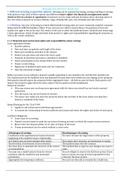
1. Different housing acquisition options: Housing can be acquired by buying, renting, building or renting
with option to buy. Each of these options has different tenure rights= the financial arrangements under
which we live in a house or apartment. Consumers need to make rational decisions when choosing where to
live. Our choices depend on income, lifestyle, stage of family life cycle, size of family and other factors.
1.1 Renting: Any type of housing is rented. Multi-family housing units are most commonly available (separate
living units for different families) (flats). If you rent you are called a tenant/lessee. On payment of rent you
acquire the right to live in the unit. The owner of the unit is called the landlord/lessor. Landlord and tenant sign
a lease agreement, which is legal and binds both parties to rights and responsibilities regarding the property as
well as the rental conditions.
1.1.1 Financial and contractual rights and responsibilities when renting:
Lease agreement details:
Specific address
Date and time occupation and length of the lease
Rules and conditions attached to the deposit
Rental cost and when and where the rent is paid
Payment of electricity and water (excluded or included)
Notice period given to the tenant before he/she vacates
Clause or sub-letting
Signatures of landlord and tenant and two witnesses
Date the document is signed
Before you move in you will pay a deposit (usually equivalent to one months rent) and the first months rent.
The deposit protects the landlord from any financial loss that may occur whilst you are staying on the property.
Both parties should inspect the property before signing the lease – all defects must be listed. Both parties will
inspect the property again when the lease expires. Rent is paid in month installments.
Breach of contract:
If for any reason you cant keep your agreement with the lessor you should try and reach a mutual
agreement.
If no the lessor can sue for breach of contract.
The lessor can’t make you leave the property before the end date of the lease unless you may have
broken a condition of the lease.
Rental Housing Act No. 50 of 1999:
Applies to all written and verbal lease agreements.
It controls the relationship between landlords and tenant and states the rights and duties of each party.
Landlord obligations:
Lease must be in writing.
Deposit received must be paid into an interest bearing account on which the tenant receives interest.
Must return the deposit within 12-21 days of expiry of the lease.
Tenant possessions can’t be seized without a court order.
Advantages of renting: Disadvantages of renting:
Conditions of the agreement are known from the You don’t become the legal owner of the property.
beginning of the landlord-lessee relationship.
As a lessee you can leave anytime after notice. Your assets don’t increase, no investment or equity.
Your freedom of movement is less restricted. The landlord may evict the contract.
You don’t have to maintain the structure of the rented The landlord has to approve any changes you want to
accommodation. make.
You may run a small business from the rented You are obliged to stay for the full lease period. If you
premises with the landlords and municipal have to vacate you may be held responsible for the
permission. rental for the lease period.
Appropriate for temporary residence. You can’t use the unit as security for a bank loan.
, Monthly expenses may be lower than for ownership. Rent usually increases each year.
Tips of successful renting:
Pay rent on time.
Keep the property clean, orderly and in good condition.
Respect the rights and be thoughtful of fellow tenant.
Repair any damage and report problems immediately,
Keep records of lease, rent receipts and other expenses.
1.1.2 Rent to buy: An installment purchases contract is signed with a housing association. Monthly installment
fees are paid. Each installment consists of a partial payment you make toward the purchase price of the
property, a community service fee or levy, insurance, repairs, maintenance and administration costs. After a
determined period of time you take ownership of the property.
1.2 Building a home: Building a home is broken into four steps:
Step one: Buying land: It is important that you choose the right location. You can buy a single lot
(independent and stand alone). You can buy “plot and plan” – you find a plot together with an architect’s
impression and a floor plan. You sign a contract. A revenue stamp makes the contract legal.
Step two: Choosing a house plan: The house plan you choose you must like and it must suit the
building site. Many plans are already drafted from which you could choose. You could have an architect
design a home especially for you. Plans cost money. Plans are submitted to local municipality for
approval and this also costs a fee.
Step three: Selecting the contractor/builder: The Housing Consumers Protection Measures Act
requires all newly built homes to be registered with the National Home Builders Registration Council
(NHBRC). This ensures:
o Adequate standards of construction are adhered to.
o Contractors behave responsibly (they have to be registered with the NHBRC).
o Banks may give you finance in the form of a home loan, if the builder is registered with the
BHVRC, they will require the NHBRC certificate.
Get quotations before you make your choice. Select the most cost effective choice.
Step four: Finding the money to finance the house: Most people apply for a home loan. Some people
qualify for a government-housing subsidy.
The building contract:
Provided by the builder.
The contract must contain the following information:
o A detailed breakdown of all costs (building costs and legal costs).
o The exact dimensions or size of the house.
o The date on which the building will be complete.
o A statement of the guarantees provided, these are to protect: Structural defects, roof leaks,
incorrectly built or work completed late must be repaired or set right by the builder.
o The dates and way in which payments are to be made.
o A cancellation clause laying down conditions under which the contract can be cancelled or
suspended. For example, if you don’t receive a home loan, or you don’t qualify for a government
subsidy or the contract with the builder falls away.
o The consequences if the builder or you don’t fulfill your parts of the agreement.
o The specification list attached to the plan, this includes: All materials to be used, finishes and
fittings.
Standard Home Builders Warranty: A condition of registration with the NHBRC is that the builder issues a Stand
Home Builders Warranty. The homebuilder must:
Enroll the house with the NHBRC.
Must build the house to the standards and guidelines laid down by the NHBRC.
Make good any defects related to plans, specifications, workmanship and materials in the new house
that occur within 90 days of you moving into your house.
Repair roof leaks occurring within 12 months of occupation,
1. Different housing acquisition options: Housing can be acquired by buying, renting, building or renting
with option to buy. Each of these options has different tenure rights= the financial arrangements under
which we live in a house or apartment. Consumers need to make rational decisions when choosing where to
live. Our choices depend on income, lifestyle, stage of family life cycle, size of family and other factors.
1.1 Renting: Any type of housing is rented. Multi-family housing units are most commonly available (separate
living units for different families) (flats). If you rent you are called a tenant/lessee. On payment of rent you
acquire the right to live in the unit. The owner of the unit is called the landlord/lessor. Landlord and tenant sign
a lease agreement, which is legal and binds both parties to rights and responsibilities regarding the property as
well as the rental conditions.
1.1.1 Financial and contractual rights and responsibilities when renting:
Lease agreement details:
Specific address
Date and time occupation and length of the lease
Rules and conditions attached to the deposit
Rental cost and when and where the rent is paid
Payment of electricity and water (excluded or included)
Notice period given to the tenant before he/she vacates
Clause or sub-letting
Signatures of landlord and tenant and two witnesses
Date the document is signed
Before you move in you will pay a deposit (usually equivalent to one months rent) and the first months rent.
The deposit protects the landlord from any financial loss that may occur whilst you are staying on the property.
Both parties should inspect the property before signing the lease – all defects must be listed. Both parties will
inspect the property again when the lease expires. Rent is paid in month installments.
Breach of contract:
If for any reason you cant keep your agreement with the lessor you should try and reach a mutual
agreement.
If no the lessor can sue for breach of contract.
The lessor can’t make you leave the property before the end date of the lease unless you may have
broken a condition of the lease.
Rental Housing Act No. 50 of 1999:
Applies to all written and verbal lease agreements.
It controls the relationship between landlords and tenant and states the rights and duties of each party.
Landlord obligations:
Lease must be in writing.
Deposit received must be paid into an interest bearing account on which the tenant receives interest.
Must return the deposit within 12-21 days of expiry of the lease.
Tenant possessions can’t be seized without a court order.
Advantages of renting: Disadvantages of renting:
Conditions of the agreement are known from the You don’t become the legal owner of the property.
beginning of the landlord-lessee relationship.
As a lessee you can leave anytime after notice. Your assets don’t increase, no investment or equity.
Your freedom of movement is less restricted. The landlord may evict the contract.
You don’t have to maintain the structure of the rented The landlord has to approve any changes you want to
accommodation. make.
You may run a small business from the rented You are obliged to stay for the full lease period. If you
premises with the landlords and municipal have to vacate you may be held responsible for the
permission. rental for the lease period.
Appropriate for temporary residence. You can’t use the unit as security for a bank loan.
, Monthly expenses may be lower than for ownership. Rent usually increases each year.
Tips of successful renting:
Pay rent on time.
Keep the property clean, orderly and in good condition.
Respect the rights and be thoughtful of fellow tenant.
Repair any damage and report problems immediately,
Keep records of lease, rent receipts and other expenses.
1.1.2 Rent to buy: An installment purchases contract is signed with a housing association. Monthly installment
fees are paid. Each installment consists of a partial payment you make toward the purchase price of the
property, a community service fee or levy, insurance, repairs, maintenance and administration costs. After a
determined period of time you take ownership of the property.
1.2 Building a home: Building a home is broken into four steps:
Step one: Buying land: It is important that you choose the right location. You can buy a single lot
(independent and stand alone). You can buy “plot and plan” – you find a plot together with an architect’s
impression and a floor plan. You sign a contract. A revenue stamp makes the contract legal.
Step two: Choosing a house plan: The house plan you choose you must like and it must suit the
building site. Many plans are already drafted from which you could choose. You could have an architect
design a home especially for you. Plans cost money. Plans are submitted to local municipality for
approval and this also costs a fee.
Step three: Selecting the contractor/builder: The Housing Consumers Protection Measures Act
requires all newly built homes to be registered with the National Home Builders Registration Council
(NHBRC). This ensures:
o Adequate standards of construction are adhered to.
o Contractors behave responsibly (they have to be registered with the NHBRC).
o Banks may give you finance in the form of a home loan, if the builder is registered with the
BHVRC, they will require the NHBRC certificate.
Get quotations before you make your choice. Select the most cost effective choice.
Step four: Finding the money to finance the house: Most people apply for a home loan. Some people
qualify for a government-housing subsidy.
The building contract:
Provided by the builder.
The contract must contain the following information:
o A detailed breakdown of all costs (building costs and legal costs).
o The exact dimensions or size of the house.
o The date on which the building will be complete.
o A statement of the guarantees provided, these are to protect: Structural defects, roof leaks,
incorrectly built or work completed late must be repaired or set right by the builder.
o The dates and way in which payments are to be made.
o A cancellation clause laying down conditions under which the contract can be cancelled or
suspended. For example, if you don’t receive a home loan, or you don’t qualify for a government
subsidy or the contract with the builder falls away.
o The consequences if the builder or you don’t fulfill your parts of the agreement.
o The specification list attached to the plan, this includes: All materials to be used, finishes and
fittings.
Standard Home Builders Warranty: A condition of registration with the NHBRC is that the builder issues a Stand
Home Builders Warranty. The homebuilder must:
Enroll the house with the NHBRC.
Must build the house to the standards and guidelines laid down by the NHBRC.
Make good any defects related to plans, specifications, workmanship and materials in the new house
that occur within 90 days of you moving into your house.
Repair roof leaks occurring within 12 months of occupation,