AMSA EMT Mod 4 Study Guide
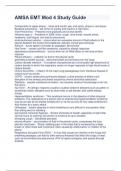
AMSA EMT Mod 4 Study Guide Components of upper airway - Nose and mouth, jaw, oral cavity, pharynx, and larynx Bacterial pneumonia - will come on quickly and result in a high fever. Viral Pneumonia - Presents more gradually and is less severe. Influenza type a - Pandemic in 2009. fever, cough, sore throat, muscle aches, headache, and fatique. can lead to pneumonia. acute pulmonary edema - occurs when an excessive amount of fluid collects in the spaces between the alveoli and capillaries, disturbs normal gas exchange Asthma - Acute spasm of smaller air passages. Broncholes Hay Fever - causes cold like symptoms, caused by allergic response spontaneous pneumothorax - occurs when an air-filled blister on the lung surface ruptures Pleural effusion - collection of fluid in the pleural cavity adventitious breath sounds - abnormal breath sound heard over the lungs Carbon dioxide retention - A condition characterized by a chronically high blood level of carbon dioxide in which the respiratory center no longer responds to high blood levels of carbon dioxide. chronic bronchitis - Irritation of the major lung passageways from infectious disease or irritants such as smoke. COPD - chronic obstructive pulmonary disease. a slow process of dilation and disruption of the airways and alveoli caused by chronic bronchial obstruction. Diptheria - pseudo membrane formation. can severely obstruct the passage of air into the larynx. hay fever - An allergic response usually to outdoor airborne allergens such as pollen or sometimes indoor allergens such as dust mites or pet dander; also called allergic rhinitis. Hyperventilation syndrome - This syndrome occurs in the absence of other physical problems. The respirations of a person who is experiencing hyperventilation syndrome may be as high as 40 shallow breaths/min or as low as only 20 very deep breaths/min. Also known as a panic attack. Orthopnea - severe dyspnea in which breathing is very difficult in any position other than sitting erect or standing paroxysmal nocturnal dyspnea - Severe shortness of breath, especially at night after several hours of reclining; the person is forced to sit up to breathe. whooping cough - Bordetella pertussis pleural effusion - accumulation of fluid in the pleural cavity. compresses the lung pleuritic chest pain - Sharp, stabbing pain in the chest that is worsened by a deep breath or other chest wall movement; often caused by inflammation or irritation of the pleura. Respiratory Syncytial Virus (RSV) - A virus that causes an infection of the lungs and breathing passages; can lead to other serious illnesses that affect the lungs or heart, such as bronchiolitis and pneumonia. RSV is highly contagious and spread through droplets.
Written for
- Institution
- AMSA EMT Mod 4
- Course
- AMSA EMT Mod 4
Document information
- Uploaded on
- October 1, 2023
- Number of pages
- 2
- Written in
- 2023/2024
- Type
- Exam (elaborations)
- Contains
- Questions & answers
Subjects
-
amsa emt mod 4 study guide

Document also available in package deal